






What Exactly Is Food Fortification?
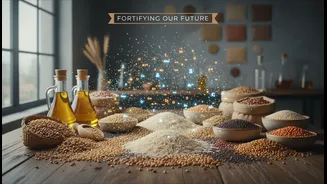
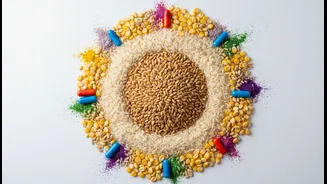
Food fortification is the process of deliberately adding essential micronutrients, like vitamins and minerals, to staple foods. The goal, as outlined by the Food Safety and Standards Authority of India (FSSAI), is to improve the nutritional quality of food and provide
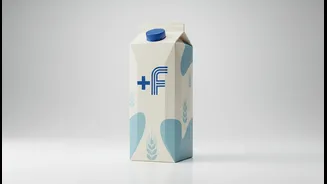
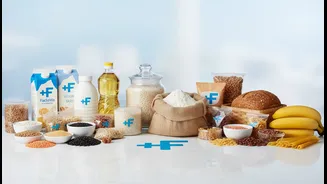
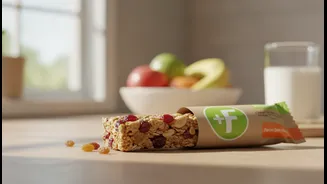
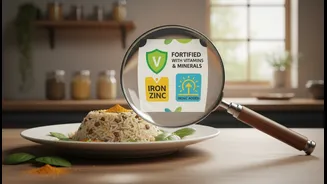
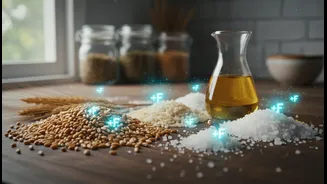
a public health benefit with minimal risk. Think of iodised salt, which was one of India's earliest and most successful fortification initiatives to combat goitre. Today, you'll find staples like milk and edible oil fortified with Vitamins A and D, while wheat flour and rice are often enriched with iron, folic acid, and Vitamin B12. The easiest way for shoppers to identify these products is by looking for the blue square '+F' logo on the packaging, a symbol signifying that the food meets FSSAI's fortification standards.
Why Is India Fortifying Food?
The primary driver behind this national push is to combat widespread micronutrient deficiencies, often called 'hidden hunger'. A significant portion of the Indian population suffers from a lack of essential nutrients despite having enough to eat. For example, studies show alarming rates of anaemia (iron deficiency), particularly among women and children, with some reports indicating over half the female population is affected. Similarly, deficiencies in Vitamin D, Vitamin B12, and folic acid are prevalent across the country. These shortfalls have serious health consequences, impacting everything from child development and immunity to energy levels and maternal health. By adding these vital nutrients to foods that people consume daily, the government aims to bridge this nutritional gap in a cost-effective way without requiring drastic changes to people's dietary habits.
The Stated Benefits for Health
The promise of food fortification is significant. For individuals, it offers a simple way to boost their intake of critical nutrients. Fortified milk with Vitamin D helps the body absorb calcium, promoting bone health. Iron-fortified rice and wheat flour aim to reduce the high incidence of anaemia, which can cause fatigue and serious complications, especially during pregnancy. The addition of folic acid is crucial for preventing certain birth defects. Proponents argue it's a scientifically proven and scalable intervention that reaches a large cross-section of the population, from urban centres to rural villages, through existing food delivery systems like the Public Distribution System (PDS). Essentially, it's a passive way to improve public health by making everyday meals more nutritious.
The Other Side: Questions and Concerns
Despite its benefits, food fortification is not without debate. Some nutrition experts and public health advocates raise important questions. One major concern is the 'one-size-fits-all' approach. Mandatory fortification could lead to some individuals, particularly men and children, consuming excessive amounts of certain nutrients, a condition known as hypervitaminosis. There are also cautions for individuals with conditions like thalassemia, who should not consume excess iron. Critics also argue that fortification might create a false sense of security, leading people to believe they don't need to focus on dietary diversity. Furthermore, some studies question the effectiveness of certain fortification methods, suggesting that not all anaemia is due to iron deficiency and that the body may not absorb synthetic nutrients as well as those from natural sources.
Fortification vs. A Diverse Diet
This is perhaps the most crucial point for families and nutrition educators to understand: fortification is a supplement, not a substitute. Health experts on all sides of the debate agree that the foundation of good health is a balanced and diverse diet. Eating a wide variety of fresh fruits, vegetables, whole grains, pulses, and lean proteins provides a complex matrix of nutrients, fibre, and phytochemicals that fortified foods alone cannot replicate. While fortified staples can help fill specific, widespread nutrient gaps in the population, they cannot correct a diet that is fundamentally poor. The best approach is to use fortification as a safety net while actively pursuing a diet rich in natural, unprocessed foods. This ensures you get not only the targeted micronutrients but also the full spectrum of compounds that work together to support overall health.
How to Be an Informed Consumer
Navigating the grocery aisle becomes easier with a little knowledge. Firstly, look for the '+F' logo to identify fortified products. Secondly, read the nutrition label to understand which specific vitamins and minerals have been added and in what quantities. This allows you to make choices based on your family's specific dietary needs. Consider your overall diet. If your family eats a highly diverse diet with plenty of nutrient-rich foods, you may not need to rely heavily on fortified products. However, for those with less varied diets or specific deficiencies, fortified staples can be a valuable addition. The key is to see fortification as one tool in your nutritional toolkit, not a magic bullet. Make conscious choices rather than assuming that any fortified product is automatically the healthier option for every situation.