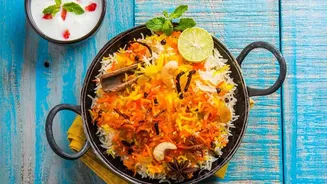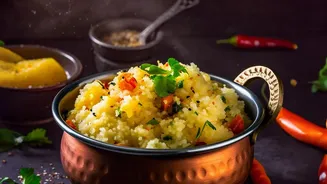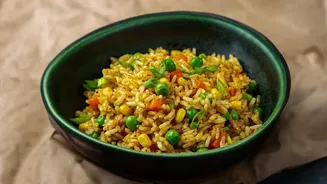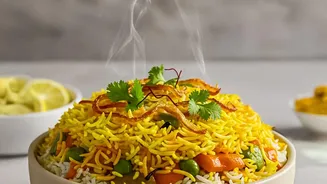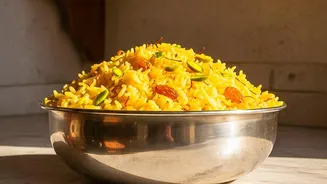



The aroma of saffron rice is unmistakable—a fragrant, luxurious cloud that promises a special meal. But the price tag on a restaurant Zafrani Pulao can feel just as breathtaking. What if that 'red gold' was more accessible than you think?
The Restaurant Premium Explained
When you order
a saffron-infused dish at a restaurant, you're paying for much more than just the ingredients. Saffron is the world's most expensive spice by weight, and restaurants pass that cost on with a significant markup. It takes between 150,000 to 200,000 hand-picked crocus flowers to produce a single kilogram of dried saffron, a labour-intensive process that justifies its high price. Beyond the spice itself, the final bill includes the chef's expertise, staff salaries, rent, and the overall dining ambiance. A plate of Vegetable Biryani can range from ₹400 in a casual eatery to well over ₹1000 at a fine-dining establishment, with a significant portion of that cost attributed to the perceived luxury of saffron.
Breaking Down the At-Home Cost
The good news is that when you cook at home, you eliminate most of those overheads. The cost difference is staggering. Let's do the maths for a generous portion of saffron rice serving four people. A gram of high-quality Kashmiri Mongra saffron can cost between ₹450 and ₹900. While that sounds expensive, a single recipe rarely calls for more than a small pinch (about 15-20 threads), which is a tiny fraction of a gram. This works out to approximately ₹20-₹40 worth of saffron. Add a kilogram of good quality basmati rice for around ₹150-₹250, plus another ₹50 for ingredients like ghee, onions, and whole spices. In total, a large, flavourful pot of homemade saffron rice can cost as little as ₹250 to make. Compared to a single restaurant serving, the savings are immense.
Unlocking Saffron's Magic in Your Kitchen
The key to great saffron rice is not using a lot of the spice, but using it correctly. To get that beautiful golden colour and heavenly aroma, you need to help the threads 'bloom'. The most effective method is to grind a small pinch of saffron threads into a powder using a mortar and pestle. Then, add a few tablespoons of hot (not boiling) water or milk and let it steep for at least 10-15 minutes. The liquid will turn a vibrant golden-yellow. This infused liquid, not the dry threads, is what you should add to your rice as it cooks. This simple step ensures the flavour and colour are distributed evenly, giving you a professional-looking and tasting dish every time.
A Smart Shopper's Guide to Saffron
The high price of saffron makes it a prime target for counterfeiting. To ensure you're buying the real deal, avoid powdered saffron, which can be easily adulterated with turmeric or paprika. Look for deep red threads that are trumpet-shaped—thinner at one end and flared at the other. A simple home test is to drop a few threads into a glass of cold water. Real saffron will slowly release a golden-yellow hue, while the threads themselves remain red. Fake saffron, often dyed safflower or corn silk, will instantly bleed a red or orange colour into the water. A genuine gram of saffron, while an initial investment, will last for dozens of dishes, making it far more economical in the long run.