

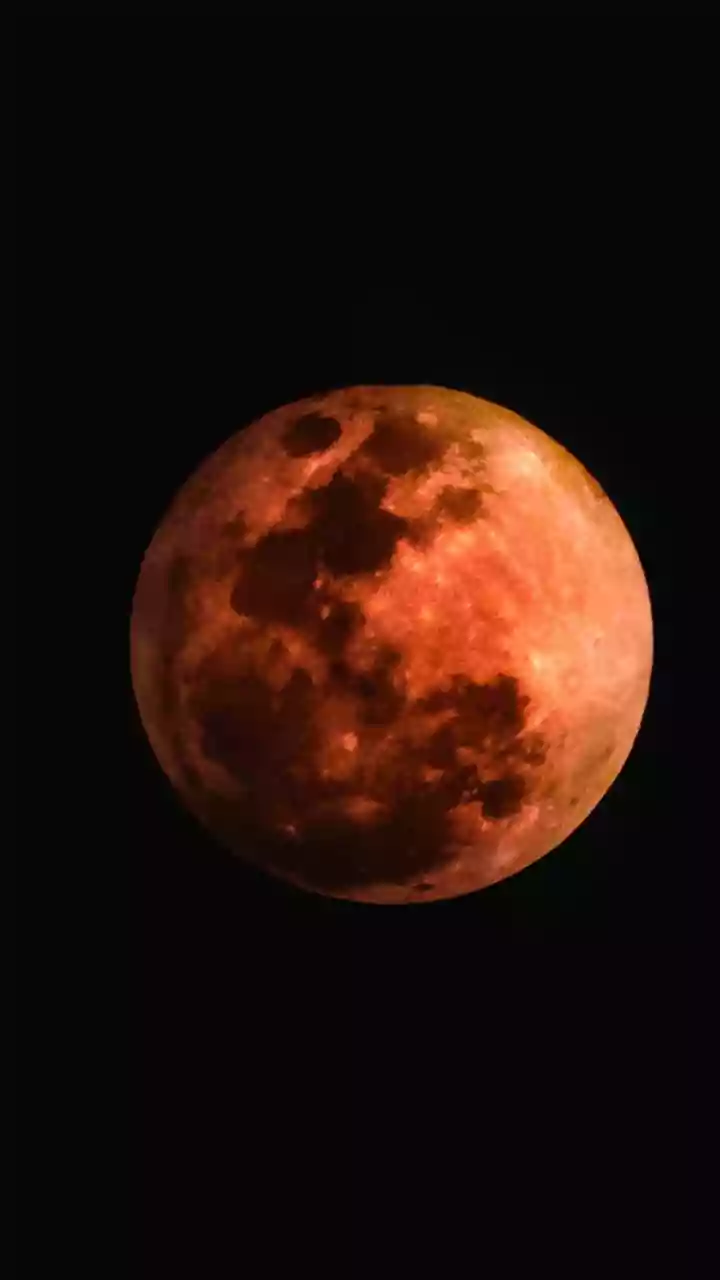




An 'Almost Total' Eclipse
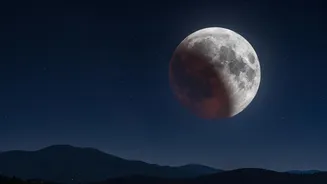
On August 28, 2026, the Earth will pass almost perfectly between the Sun and the Moon, casting its shadow over the lunar surface. This event is a partial lunar eclipse, but it's an unusually deep one. At its peak, about 96% of the Moon's surface will be covered
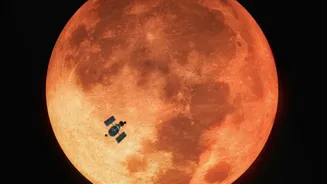
by the Earth's darkest shadow, the umbra. This will leave just a tiny sliver of the Moon in direct sunlight, causing the eclipsed portion to take on a dramatic, coppery-red glow. While not technically a total eclipse or a 'Blood Moon', it's about as close as you can get, making it a stunning sight for those who can see it. The entire partial phase will last for over three hours.
The Key Question: Visibility in India
Unfortunately for enthusiasts in India, this spectacular event will not be directly visible. The eclipse is set to take place during daytime hours across the subcontinent. The partial eclipse begins around 8:04 AM IST, reaches its maximum point at 9:43 AM IST, and ends at 11:22 AM IST on August 28. Since the Moon will be below the horizon for the entire duration, skywatchers in cities like Delhi, Mumbai, and Bengaluru will miss the live show. The best views will be in North and South America, with parts of Europe and Africa also getting to witness the event.
How You Can Still Watch
Just because it's not visible in our skies doesn't mean you have to miss out entirely. Several astronomy organisations and space-focused media outlets will be hosting free live streams of the eclipse. Websites like TimeandDate.com, along with observatories such as the Griffith Observatory in Los Angeles, are expected to provide real-time video feeds. This allows you to witness the beautiful red-hued moon from the comfort of your home. These streams are a fantastic way to join a global community of skywatchers and see the event unfold with expert commentary.
What Exactly Is a Lunar Eclipse?
A lunar eclipse happens only during a full moon when the Sun, Earth, and Moon align perfectly, with Earth in the middle. Our planet blocks the Sun's light from reaching the Moon, casting a large shadow. This shadow has two parts: a faint outer shadow called the penumbra, and a dark inner shadow called the umbra. When the Moon passes only through the penumbra, it's a penumbral eclipse, which is often too subtle to notice. When part of the Moon enters the umbra, it's a partial eclipse, creating a 'bite' out of the lunar disk. And when the entire Moon enters the umbra, we get a spectacular total lunar eclipse.
Looking Ahead: India's Next Celestial Shows
While the August 2026 eclipse is a miss for direct viewing in India, you won't have to wait forever. According to reports from India's Press Information Bureau and other astronomical sources, skywatchers in India have other events to look forward to. The next total lunar eclipse visible from most of India will occur on March 3, 2026, though for many it will be in progress during moonrise. After that, a partial lunar eclipse will be visible from India in July 2028, and another total lunar eclipse will grace the skies on New Year's Eve 2028. So, while you may need a screen for this month's event, mark your calendars for the impressive celestial appointments to come.