


Why This Monsoon is Different
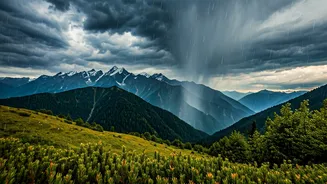
The allure of the mountains often peaks during summer, but this is also when the monsoon unleashes its full force across North India. This year, weather patterns have been particularly erratic and intense. The India Meteorological Department (IMD) has
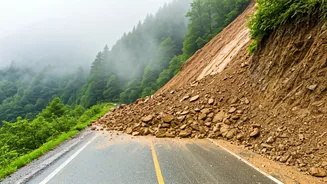
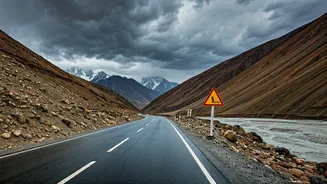
issued numerous warnings for states like Himachal Pradesh and Uttarakhand, which bear the brunt of the downpour. The combination of heavy rainfall on fragile, mountainous terrain creates a perfect storm for disaster. Soil becomes saturated, losing its ability to hold rock and debris, leading to frequent and often sudden landslides that can block major highways for hours, or even days. Furthermore, overflowing rivers and cloudbursts can trigger flash floods, washing away sections of road and leaving travellers stranded in remote areas with limited access to resources. This isn't just an inconvenience; it's a serious safety risk that demands careful planning.
Key Routes and Vulnerable Passes
While the beauty of the drive is undeniable, several iconic routes are extremely vulnerable during the monsoon. Understanding these hotspots is the first step in responsible travel planning. **Manali-Leh Highway:** This legendary route, a favourite among bikers and road-trippers, includes high-altitude passes like Rohtang La and Baralacha La. These areas are highly susceptible to landslides and heavy snowfall, even in summer months, leading to frequent closures by the Border Roads Organisation (BRO). The stretch near Pagal Nala and other water crossings can become impassable with little warning. **Srinagar-Leh Highway:** Connecting Ladakh via Kashmir, this route includes the formidable Zoji La pass. While typically seen as a slightly more stable alternative, it is not immune to landslides and disruptions caused by heavy rain, especially on the approach to Sonamarg and the pass itself. **Routes in Uttarakhand:** The Char Dham Yatra routes to Badrinath, Kedarnath, Gangotri, and Yamunotri are notoriously dangerous during the monsoon. The state has a tragic history of devastating floods and landslides. Roads are narrow, and the terrain is particularly unstable, with frequent blockages reported on national highways leading to these pilgrimage sites.
Your Pre-Travel Safety Checklist
Spontaneity has its charms, but not when you're heading into the mountains during monsoon. A thorough pre-travel check is non-negotiable. First, add buffer days to your itinerary. A seven-day trip should be planned as a ten-day trip to account for potential delays. Never plan a tight schedule that relies on a road being open. Before you even start the engine, check the latest weather forecasts from the IMD, which provides district-specific warnings. Follow the social media accounts and check the websites of the local traffic police (e.g., Kullu, Lahaul-Spiti, Shimla police) for real-time updates on road conditions. It’s also wise to call hotels or guesthouses in your destination and along your route; local operators have the most current, on-the-ground information about road blockages. Finally, ensure your vehicle is in perfect condition, with special attention to tyres, brakes, and wipers. Pack an emergency kit with extra food, water, a first-aid kit, a torch, and warm clothing.
Essential Apps and Official Resources
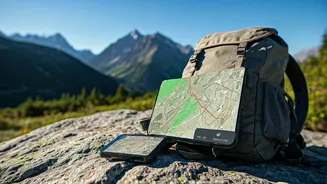
In the digital age, information is your best defence. Equip your smartphone with the right tools before you lose connectivity. * **Mausam App:** The IMD’s official app provides location-specific weather forecasts and warnings. * **UMANG App:** This government super-app often integrates advisories from various state disaster management authorities. * **Social Media:** Follow the official Twitter (X) and Facebook pages of the state police and disaster management authorities for the regions you are visiting. They often post the most immediate updates on road closures and openings. * **News Outlets:** Keep an eye on credible local and national news portals that provide dedicated coverage of weather and travel disruptions in the Himalayan states. Don’t rely on unverified WhatsApp forwards for information.
Driving Safely in the Hills
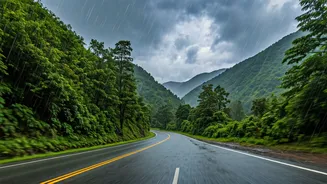
If you are already on the road, exercise extreme caution. Avoid driving at night, when visibility is poor and the risk of encountering a fresh landslide is higher. Maintain a slow and steady speed, especially on hairpin bends and wet surfaces. Never attempt to cross a fast-flowing water crossing on the road unless you see other vehicles doing it safely and are confident your vehicle can handle it. If you get stuck in a traffic jam due to a landslide, stay in your vehicle unless instructed otherwise by officials. Do not attempt to walk past the blockage. Be patient; the BRO and local authorities are experts at clearing roads, but it takes time. Listen to local advice—if a dhaba owner or a truck driver tells you the road ahead is unsafe, believe them.