



The Heart of the Proposal
A consensus is building among India’s leading medical experts, including cardiologists, nephrologists, and public health specialists, to formally integrate low-sodium salt substitutes (LSSS) into the country's dietary guidelines. This isn't just a suggestion;
it's a strategic push to tackle one of India's most pressing health crises. The proposal urges policy bodies like the Food Safety and Standards Authority of India (FSSAI) to recognise potassium-enriched salt as an approved edible salt, update food safety standards to enable its widespread use, and promote it as a tool to fight non-communicable diseases (NCDs). This move follows the World Health Organization's (WHO) 2025 guidelines, which recommend using potassium-enriched salt to combat hypertension.
India's Alarming Sodium Problem
The push comes from a stark reality: Indians consume far too much salt. The average daily intake is between 8 to 11 grams, nearly double the WHO's recommended limit of 5 grams. This isn't just about the salt shaker at home. A significant amount of sodium is 'hidden' in pickles, papads, packaged snacks, and restaurant meals. This excessive consumption is a key driver of hypertension, or high blood pressure, which affects more than one in four adults in India. High blood pressure is a silent killer, directly linked to a higher risk of strokes, heart attacks, and kidney disease, contributing to an estimated 1.75 lakh deaths in India annually.
What Exactly is Low-Sodium Salt?
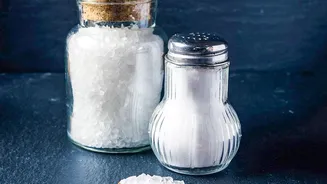
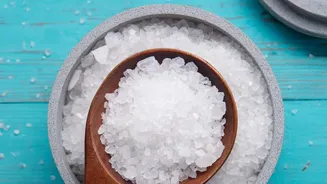
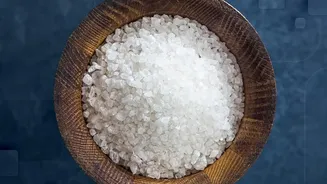
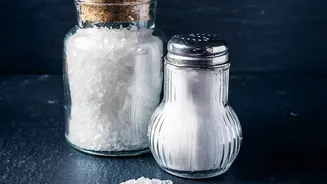
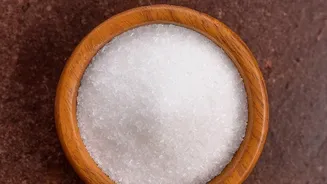
Low-sodium salt isn't a complex new invention. It is regular table salt (sodium chloride) where a portion, typically 25-30%, of the sodium chloride has been replaced with potassium chloride. This simple reformulation achieves two things at once: it reduces the intake of sodium, which can raise blood pressure, and increases the intake of potassium, a mineral known to help lower blood pressure. Crucially, studies have shown that for most people, these substitutes look, taste, and cook just like conventional salt, making them a practical intervention that doesn't require drastic changes to cooking habits or taste preferences.
The Life-Saving Potential
The potential health benefits are immense. Research, including large-scale studies, has shown that switching to potassium-enriched salt can significantly reduce blood pressure. A major study projected that a nationwide switch in India could prevent nearly 400,000 deaths and over 1.5 million new cases of cardiovascular and kidney disease every year. Experts have even referred to it as a 'dietary vaccine' for hypertension — a low-cost, passive intervention that could offer continuous cardiovascular protection.
Are There Any Downsides?
While safe for the vast majority of the population, low-sodium, potassium-enriched salts are not for everyone. The primary concern is for individuals with advanced chronic kidney disease, who cannot regulate potassium levels effectively. An excess of potassium in the blood, known as hyperkalaemia, can be dangerous for this specific group. People taking certain medications, like potassium-sparing diuretics or some types of blood pressure drugs, should also consult their doctor before making the switch. However, experts note that the public health benefits for the general population far outweigh these risks, which can be managed with clear labelling and medical advice.
What Happens Next?
The expert consensus is a critical first step. The next phase involves action from regulatory bodies. The proposal calls for FSSAI to officially include potassium-enriched iodised salt as an 'edible salt', ensuring it meets safety and quality standards, including mandatory iodization. There are also practical hurdles to overcome. Currently, low-sodium salt is not widely available, especially in smaller grocery stores, and it often costs more than double the price of regular salt, which could hinder adoption. For this initiative to succeed, it will require a concerted effort involving policy changes, industry cooperation to increase availability and lower costs, and public awareness campaigns to educate consumers on the benefits and proper use.