







The Magic of Your Money Making Money
Let's demystify the jargon. 'Continuous market equity compounding' is a fancy term for a simple, powerful idea often called the eighth wonder of the world: compound interest. It’s the process of your investment returns themselves generating more returns.
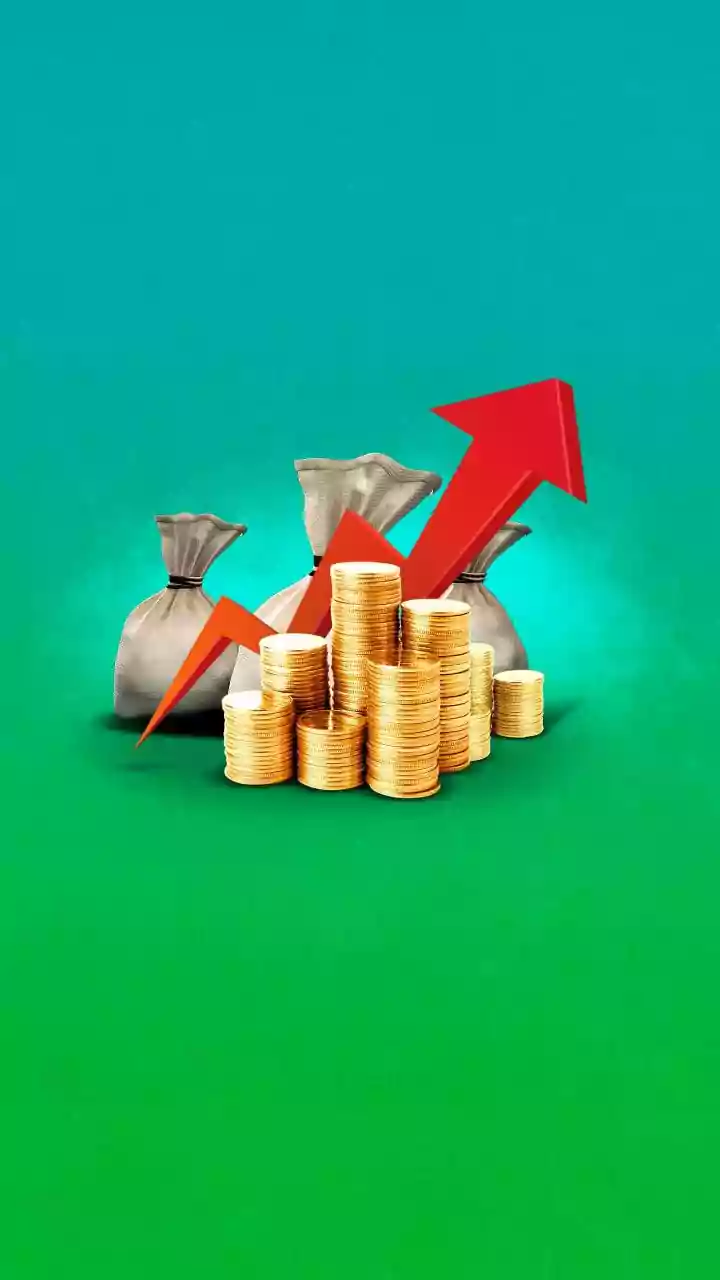
Think of it as a financial snowball. You start with a small ball of snow (your initial investment). As it rolls downhill, it picks up more snow (your returns). Soon, the new snow it picks up is landing on a much bigger surface, making the snowball grow faster and faster. In financial terms, if you invest ₹10,000 and earn a 10% return, you have ₹11,000. The next year, you earn 10% on the entire ₹11,000, not just the original ₹10,000. This cycle of earning returns on your returns is what creates exponential growth over time.
Time Is Your Most Powerful Asset
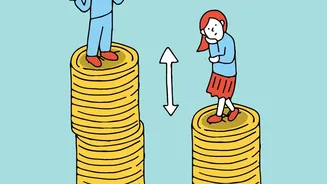
When it comes to compounding, your greatest advantage isn't the amount of money you invest; it's the amount of time you give it to grow. The difference between starting in your 20s versus your 30s is not just ten years—it's a massive loss of potential growth. Consider two friends, Priya and Rahul, who both invest ₹5,000 per month in a portfolio that earns an average of 8% annually. Priya starts at age 25. Rahul waits a decade and starts at age 35. By the time they both reach age 65, Priya, who started earlier, will have a significantly larger nest egg. In fact, studies show that an early starter can end up with double the final amount compared to someone who starts just ten years later, despite investing far less of their own money over the long run. That initial decade gives Priya’s money an extra compounding cycle, a head start that Rahul can never make up.
Why Market Equities Are the Engine
Compounding can happen in a simple savings account, but the 'wealth creation multiplier' in the headline comes from letting it happen in the stock market. Equities, or stocks, represent ownership in companies, and historically, they have provided higher long-term returns than less risky assets like bonds or cash. While past performance is no guarantee of future results, the U.S. stock market has delivered average annual returns of around 10% over the long term. This higher rate of return acts as a powerful accelerator for your compounding snowball. Investing in a diversified basket of stocks, such as through an index fund or ETF, allows you to participate in this long-term growth potential while managing the inherent risks of investing in individual companies.
The Secret Ingredient: Boring Discipline
Knowing about compounding is one thing; benefiting from it is another. The bridge between the two is discipline. Financial success is rarely built on one brilliant move; it's built through consistency over many years. Discipline in investing means three things. First, it means committing to a regular investment schedule, like a Systematic Investment Plan (SIP), and sticking to it whether the market is up or down. This automates the habit. Second, it means having the emotional fortitude to not panic-sell during market downturns. History shows that major market declines are often followed by strong recoveries, and missing those best days can be devastating to your long-term returns. Finally, discipline means ignoring the hype and the temptation to chase get-rich-quick schemes. True wealth is built slowly and steadily, not overnight.
How to Build the Discipline Habit Today
Starting can feel like the hardest part, but you don't need a large sum of money. You can begin with a small, manageable amount. The key is to start now. The first step is to create a plan. Define your financial goals and your timeline. Next, make it automatic. Set up an automatic transfer from your bank account to your investment account every month. This removes the need for willpower and turns investing into a habit. Finally, adopt a long-term mindset. Don't check your portfolio every day. Focus on your plan and trust the process of compounding. Remember, you're not a stock market trader; you're a long-term investor building a foundation for your future.