


Why Your Container Choice Matters
When hot food meets a container, a few things can happen. The ideal container will maintain the food's temperature without altering its taste or composition. However, using the wrong type of container, especially certain plastics, can lead to chemical
leaching when heated. These chemicals, like BPA or its substitutes, can migrate from the container into your food. Beyond safety, the right material prevents your lunch from becoming a lukewarm disappointment and ensures it tastes as it should, free from any plastic or metallic aftertaste.
The Gold Standard: Glass
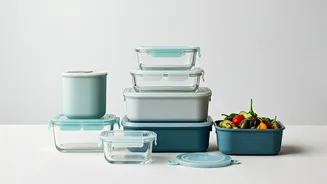
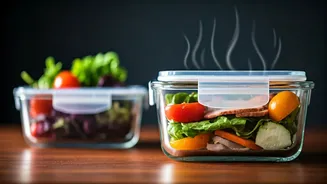
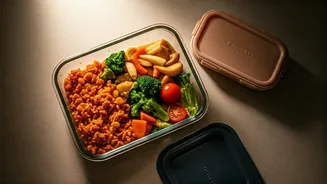
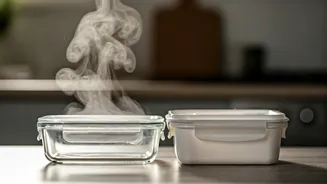
Glass containers are a classic and reliable choice for hot foods. Made from non-reactive material, glass does not release chemicals into your food, no matter how hot it gets. It’s also non-porous, meaning it won’t absorb odours, flavours, or stains from previous meals, so your dal won't taste like yesterday's pasta sauce. The main benefits of glass are its safety and purity. You can often reheat food directly in the container, as many are microwave and oven-safe. The downsides are its weight and fragility; a glass container is heavier to carry and can break if dropped.
Durable and Dependable: Stainless Steel
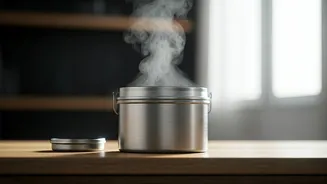
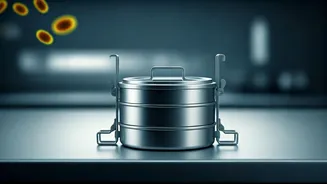
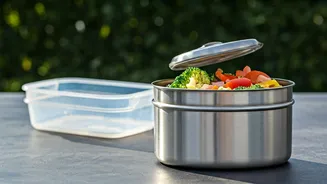
Stainless steel is another excellent, safe option for packing hot lunches. It's lightweight, incredibly durable, and won't break, making it a perfect choice for both adults and kids. High-quality, food-grade stainless steel is non-reactive and won't leach chemicals or leave a metallic taste, although it's advised to avoid highly acidic foods for prolonged storage. Many stainless steel containers are insulated, designed to keep food hot for hours, which is perfect for when a microwave isn't available. The primary drawback is that you cannot put traditional stainless steel in the microwave.
Navigating the World of Plastic
Plastic containers are convenient and lightweight, but not all are suitable for hot food. The term “microwave-safe” means the container won't melt or warp, but it doesn't always guarantee that no chemicals will leach. It is crucial to avoid heating plastics not intended for it. When choosing plastic, look for containers made from Polypropylene (PP), marked with the number 5. This type of plastic has a high heat tolerance and is generally considered safer for hot foods. Even with BPA-free plastics, caution is advised as substitute chemicals may carry similar risks. Never use scratched or old plastic containers for hot food, as degradation increases the risk of chemical leaching.
The Flexible Alternative: Food-Grade Silicone
A modern alternative gaining popularity is food-grade silicone. This synthetic, rubber-like material is durable, flexible, and can withstand a wide range of temperatures, making it safe for the freezer, oven, and microwave. High-quality silicone is non-toxic and doesn't contain harmful chemicals like BPA. It is important to ensure you're using 100% food-grade silicone, as lower-quality products might contain fillers that can compromise safety. Like glass, silicone is non-porous and easy to clean, but it is much lighter and unbreakable.
Features to Look For
Beyond the core material, several features enhance a container's performance. A truly leak-proof seal is non-negotiable for anyone transporting curries, soups, or other liquids. Look for lids with silicone gaskets for a secure fit. For keeping food hot over several hours, double-walled vacuum insulation, typically found in stainless steel jars, is the most effective technology. Finally, consider ease of cleaning. Containers with wide mouths and simple, crevice-free designs are easier to wash thoroughly, preventing any buildup of bacteria.