







Monsoon Mayhem in the South
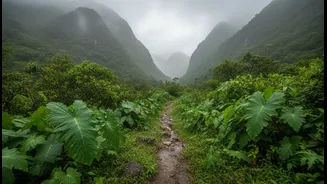
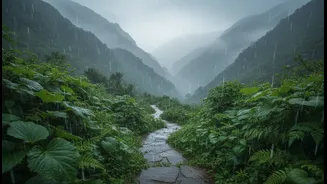
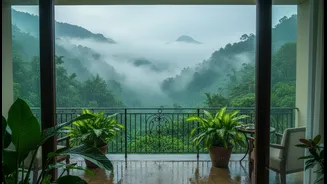
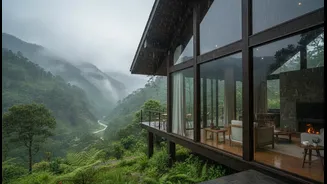
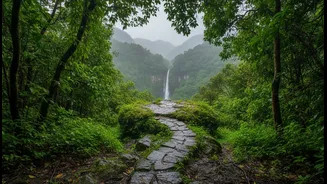
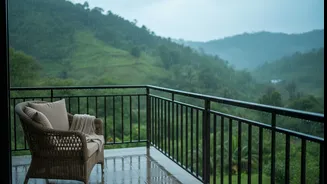
The first week of July 2026 has been particularly harsh for the Western Ghats. Torrential rains have triggered multiple landslides, turning dream monsoon road trips into travel nightmares. In Kerala's Wayanad district, a major landslide near a tunnel
construction site tragically resulted in fatalities and injuries, leading to ongoing rescue operations and widespread travel disruption. This wasn't an isolated incident. Authorities have been issuing alerts for high-risk routes like the Shiradi and Charmadi Ghats in Karnataka, areas prone to sudden landslips and blockages during heavy rainfall. For backpackers and road-trippers who thrive on spontaneity and freedom, such uncertainty is a deal-breaker. The risk of getting stranded, coupled with the dangers of navigating slippery, fog-covered mountain passes, is forcing a major rethink of travel plans.
The Great Northern Pivot
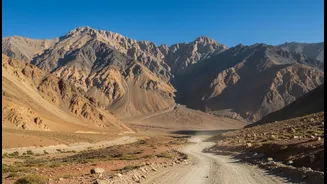
Enter Ladakh. While the rest of the country grapples with the monsoon, Ladakh exists in a rain shadow, offering clear blue skies, dry roads, and a travel season that is in its absolute prime from June to September. This unique weather pattern makes it the perfect “monsoon cheat code” for Indian travellers. The timing is perfect for young adventurers whose plans for Coorg, Wayanad, or Munnar have been washed out. Instead of cancelling their trips, they are rerouting them north. Travel forums and social media are buzzing with this pivot, as riders swap notes on the best routes to Leh instead of the best homestays in the now-treacherous ghats.
A Backpacker's Perfect Alternative
Ladakh's appeal to the millennial and Gen Z backpacker goes far beyond just being a dry alternative. It is, by its own merit, one of India's premier adventure destinations. The region offers a bucket-list-worthy road trip, whether on the iconic Manali-Leh highway or the route from Srinagar. This journey, crossing some of the world's highest motorable passes, is a rite of passage for many. The landscape itself—a high-altitude cold desert with barren mountains, dramatic river valleys, and impossibly blue lakes like Pangong Tso—provides a visual spectacle that is both unique and profoundly Instagrammable. For a generation that values authentic experiences and epic visuals, Ladakh delivers on all fronts.
More Than Just Mountains
The pull isn't just the landscape; it's the culture. The serene, cliff-side monasteries like Thiksey and Hemis offer a deep sense of peace and spirituality that contrasts sharply with the chaos of modern life. This disconnection is a huge part of the appeal. In many parts of Ladakh, phone signals are weak or non-existent, forcing a digital detox that many young urbanites secretly crave. This journey is about more than just sightseeing; it's about experience. It’s about sharing cups of butter tea with locals, challenging oneself physically through treks in the Markha Valley, and finding a sense of stillness in a world that never stops moving. This focus on authentic, experience-led travel is a defining trend for young Indian travellers.
A Trend Driven by Climate and Choice
The growing preference for Ladakh is a clear indicator of how climate change and extreme weather events are actively reshaping travel patterns in India. What we're seeing is a practical, logical response from a savvy generation of travellers. They are adaptable, well-researched, and quick to find alternatives when their primary plans become untenable. While the south struggles with the immediate impact of a fierce monsoon—part of a pattern of increasingly erratic and intense rainfall—Ladakh's tourism is booming. Official data from 2026 shows a historic surge in visitors to Ladakh, with arrivals in the first half of the year up substantially compared to the previous year. This influx demonstrates the region's growing reputation as a safe, accessible, and highly desirable year-round destination.