

The Case for Cooking Carrots
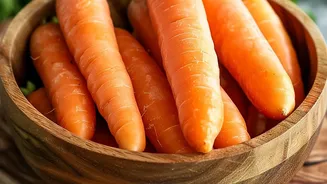
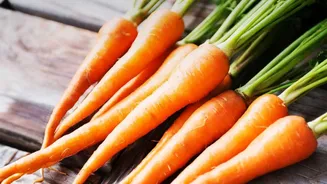
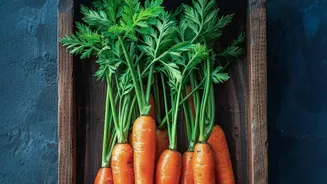
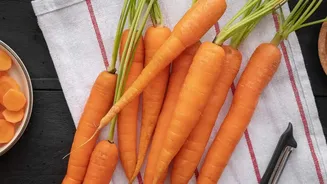
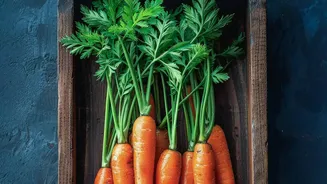
Carrots are famous for beta-carotene, a compound our bodies convert into vitamin A. This essential nutrient supports vision, immune function, and bone growth. However, beta-carotene is trapped within the carrot's tough, fibrous cell walls. Eating a raw
carrot gives you some benefit, but your digestive system struggles to break down these walls efficiently. Applying heat through methods like boiling, steaming, or roasting softens these cellular structures, releasing the beta-carotene and making it significantly more available for your body to absorb. Studies have shown that cooking can increase the bioavailability of beta-carotene by a substantial margin. One study even found that stir-frying carrots increased the yield of retinol (the active form of vitamin A) by a factor of 6.5 compared to eating them raw.
The Carrot Caveat: Fat and Vitamin C
To fully capitalize on cooked carrots, you need to add a little fat. Beta-carotene is a fat-soluble vitamin, meaning it needs fat to be absorbed properly from your gut into your bloodstream. This doesn't require much; a drizzle of olive oil before roasting or pairing carrots with a fat-containing dip like hummus is enough to do the trick. However, there is a trade-off. While cooking boosts beta-carotene, it degrades other, more delicate nutrients. Vitamin C, which is heat-sensitive and water-soluble, is one of the primary casualties. Boiling can reduce vitamin C content significantly. So, while cooked carrots are superior for vitamin A, raw carrots are a better source of vitamin C.
Unlocking Spinach's Mineral Power
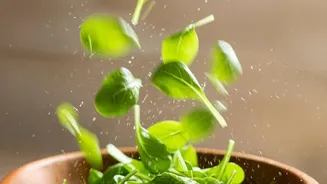
Spinach presents a different nutritional puzzle. It is packed with valuable minerals like iron and calcium, but it also contains high levels of a compound called oxalic acid, or oxalate. Oxalic acid is considered an 'anti-nutrient' because it binds to minerals in the digestive tract, forming insoluble complexes that your body cannot absorb. This means that although raw spinach is rich in these minerals on paper, a large portion of them are unavailable to you. The solution is heat. Cooking, particularly methods that involve water like boiling or steaming, breaks down and leaches out a significant amount of the oxalic acid. Studies have shown blanching or boiling can reduce oxalate content by 30% to over 50%, thereby freeing up minerals like calcium and iron for absorption.
The Downsides of Overcooking Spinach
While cooking is beneficial for mineral absorption in spinach, the method matters greatly. Just as with carrots, spinach contains water-soluble and heat sensitive vitamins, especially vitamin C and folate (a B vitamin). Boiling spinach can cause a significant loss of these nutrients as they leach out into the cooking water. One study noted that boiling can cut the folate concentration in spinach by about half. Steaming is a far better alternative, as it reduces oxalates while preserving much more of the folate and vitamin C content. Sautéing spinach quickly with a bit of healthy fat like olive oil is another excellent method, as it helps with the absorption of fat soluble vitamins A and E while minimizing the loss of water soluble ones.