





Reinforce Your Immunity Through Diet
The foundation of monsoon wellness is a strong immune system. The damp, humid weather can be a breeding ground for germs, and your body needs to be ready. Start by incorporating immunity-boosting foods into your daily meals. Think warm, freshly cooked,
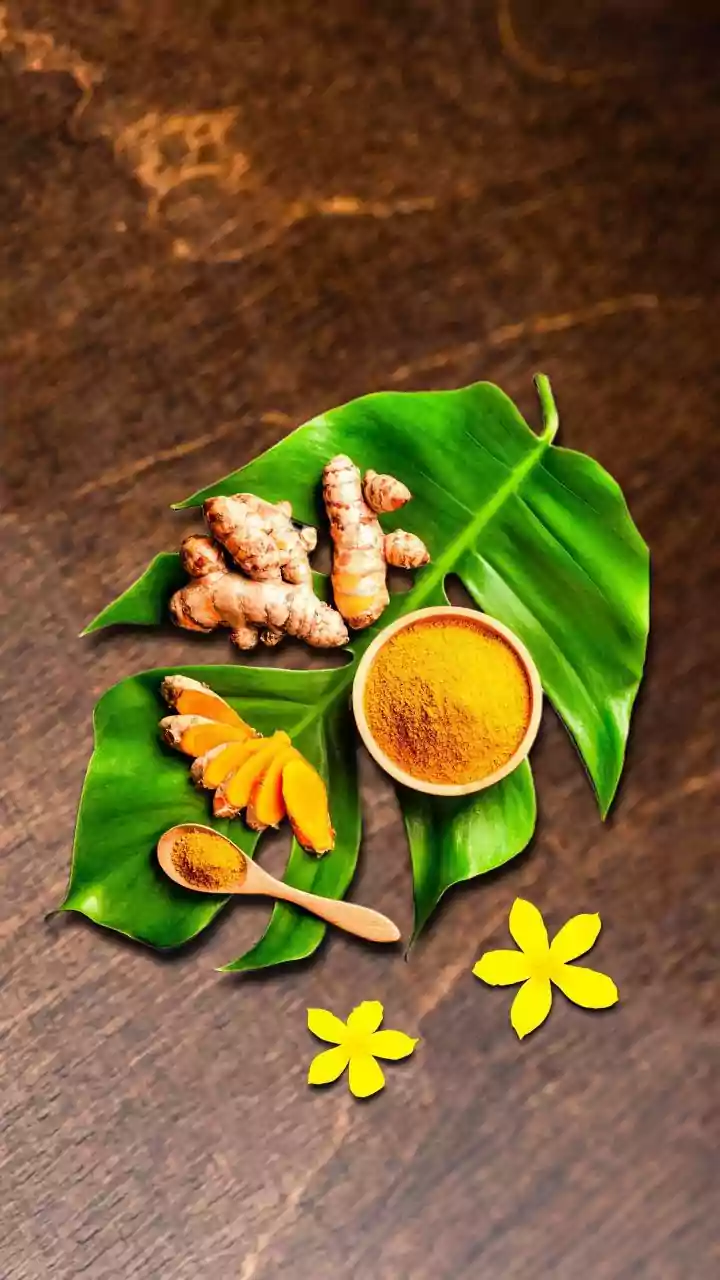
and easy to digest. A bowl of hot soup with ginger, garlic, and turmeric is not just comforting, it’s a powerful antiseptic and anti-inflammatory meal. Add a pinch of black pepper to increase turmeric's absorption. Focus on Vitamin C-rich foods like amla, lemons, and oranges, which help fight off infections. It's also wise to switch to lighter meals. Avoid heavy, oily, and fried foods, especially from street vendors, as high humidity slows down digestion and increases the risk of contamination.
Prioritise Water and Food Safety
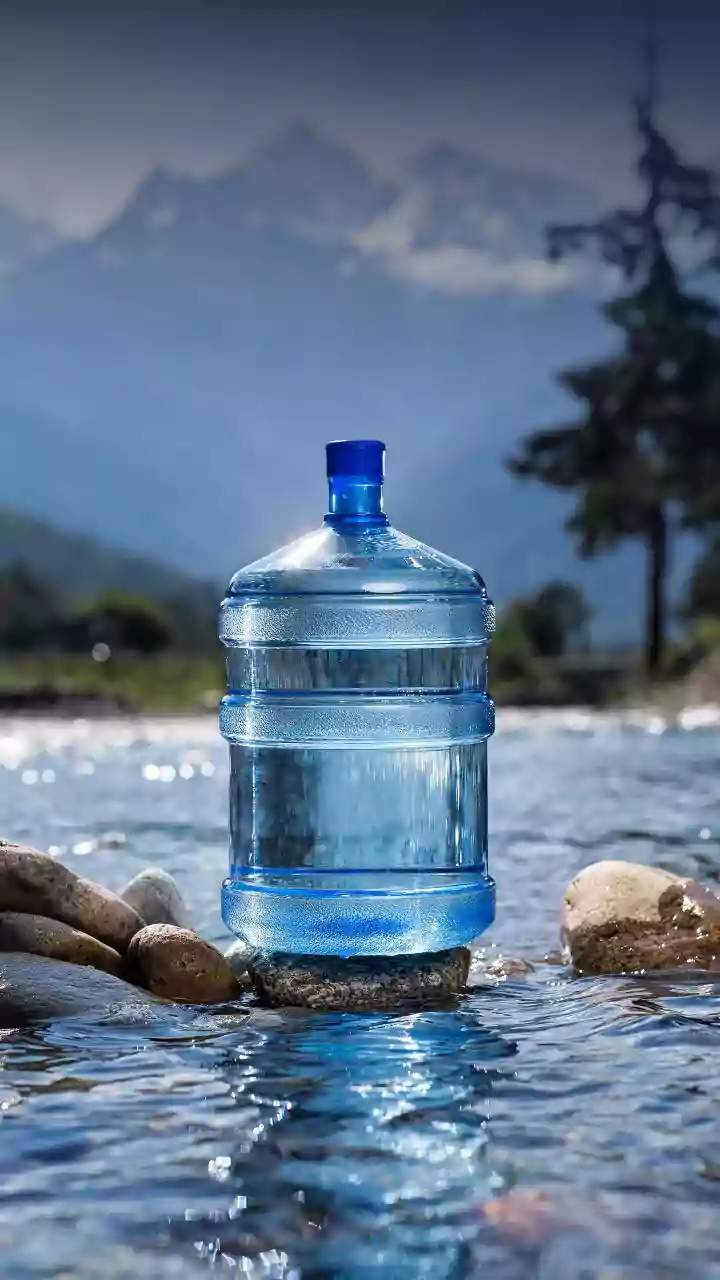
Monsoon is synonymous with a spike in water-borne diseases like typhoid, cholera, and jaundice. The single most important rule is to ensure the water you drink is safe. If you don't have a reliable water purifier, boil your drinking water for at least 10-15 minutes. Avoid drinking water from any unverified source outside your home. This caution extends to food. Raw vegetables, especially leafy greens like spinach and cabbage, can carry dirt and germs. It's best to avoid raw salads during this season. Instead, opt for steamed or grilled vegetables. Be wary of pre-cut fruits sold by vendors, as they may be exposed to contaminated water and flies. Wash all fruits and vegetables thoroughly at home before consumption.
Declare War on Mosquitoes
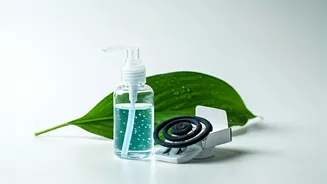
Stagnant water is a mosquito’s paradise, and the monsoon provides plenty of it. This leads to a surge in vector-borne diseases like dengue, malaria, and chikungunya. Your first line of defence is your own home. Conduct a weekly check for any potential breeding spots. Don't let water collect in flower pots, old tyres, coolers, or any open containers. Ensure your windows have nets to prevent mosquitoes from entering. When stepping out, especially during dawn and dusk, wear long-sleeved shirts and full-length trousers. Use a trusted mosquito repellent on exposed skin. For an extra layer of protection at night, consider using a mosquito net while sleeping, which is a foolproof way to avoid bites.
Double Down on Personal Hygiene
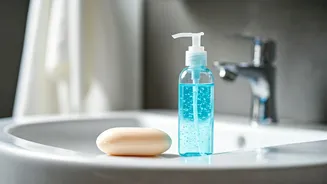
Simple hygiene habits can make a huge difference during the rainy season. The increased moisture in the air can lead to fungal and bacterial skin infections. Make it a rule to wash your hands with soap and water frequently, especially before meals and after coming in from outside. Pay special attention to your feet. Walking through puddles is sometimes unavoidable, but it can lead to fungal infections. Wash your feet with soap and dry them thoroughly, especially between the toes, as soon as you get home. Avoid wearing wet shoes or socks for extended periods. It's also important to bathe daily, using an antiseptic soap if you are prone to skin issues. Wear clean, dry, and loose-fitting cotton clothes to allow your skin to breathe.
Keep Your Living Space Clean and Dry
Your home should be your safe haven. High humidity can cause dampness in walls and furniture, leading to the growth of mould and fungus, which can trigger allergies and respiratory problems. Ensure your home is well-ventilated. Open windows during dry spells to let fresh air circulate. If you notice any leaks in the roof or walls, get them fixed promptly. Use dehumidifiers or moisture-absorbing products in closets and closed spaces to prevent your clothes and belongings from getting that musty monsoon smell. A clean, dry home not only feels more pleasant but is also crucial for preventing a host of monsoon-related health issues.