






The Core Problem of Mismatched Heights
The ideal ergonomic setup allows you to sit with your feet flat on the floor, your knees at or slightly below your hips, and your arms resting at a roughly 90-degree angle on the desk. However, many desks are a fixed height, often built for someone taller.
To compensate, you might raise your chair, leaving your feet dangling or perched on the chair's base. This 'foot dangle' seems minor, but it creates a cascade of issues. It puts pressure on the back of your thighs, which can restrict blood flow, and forces your lower back to work harder to stabilize your body, leading to strain and discomfort.
Restoring Proper Posture and Alignment
A footrest essentially brings the floor up to you, providing a stable surface for your feet. This is the most critical benefit, as it allows you to maintain a healthy posture even when your chair is raised high to meet the desk. With your feet properly supported, your pelvis is better balanced, which helps your spine maintain its natural curve. This takes significant pressure off your lumbar region, reducing lower back pain and encouraging you to sit back properly in your chair, utilizing its built-in support. By stabilizing your lower body, a footrest prevents slouching and helps align your entire torso, from your hips to your shoulders.
Boosting Circulation and Reducing Numbness
When your feet dangle, the edge of the chair seat can press into the back of your thighs, compressing blood vessels and impeding circulation. This can lead to that familiar feeling of numbness, tingling, or even swelling in your legs and feet after long periods of sitting. A footrest solves this by supporting your feet and elevating them slightly, which improves blood flow. Some dynamic footrests even encourage 'active sitting' by allowing you to rock your feet, which further stimulates circulation and prevents the stiffness that comes from remaining in a static position. This small movement can make a big difference in preventing leg fatigue and reducing the risks associated with prolonged sitting.
Who Benefits Most from a Footrest?
While anyone can benefit from the added comfort, a footrest is particularly essential in certain situations. It's a must-have for shorter individuals whose feet can't reach the floor in a standard office chair. It's also crucial for anyone working with a non-adjustable desk that is too high, forcing them to raise their chair beyond an ideal height. If you work from home using furniture not designed for office work, a footrest can help correct ergonomic shortcomings. Furthermore, if you regularly experience leg fatigue, numbness, or lower back discomfort despite having a decent chair, a footrest might be the missing piece in your ergonomic puzzle.
Choosing the Right Support for Your Feet
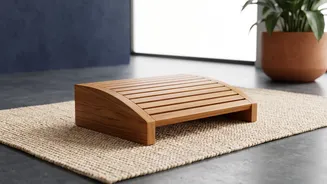
Footrests come in various forms, from simple static platforms to adjustable models with options for tilting and rocking. When choosing one, consider adjustability in height and angle, which allows you to find the perfect position for your body. A non-slip surface is important to keep your feet securely in place. Some even feature textured surfaces for a massaging effect. The goal is to find a footrest that allows your feet to rest comfortably, keeping your knees at a neutral, 90-degree angle while you sit back fully in your chair. You don't necessarily need a high-tech gadget; even a sturdy box or a stack of books can serve the purpose in a pinch, though a dedicated product is designed for better stability and adjustment.