


Checking The Forecast Is Non-Negotiable
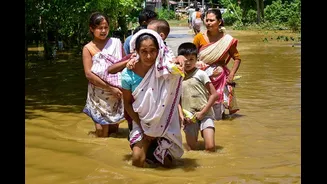
Before you even think about packing, your first step should be a thorough check of the weather. The India Meteorological Department (IMD) has issued alerts for heavy to very heavy rainfall across multiple regions. Recent forecasts for early August 2026
show intensified monsoon activity in several states. For instance, heavy rainfall is expected over Kerala, Karnataka, Tamil Nadu, Konkan and Goa. Similar warnings have been issued for parts of northwest India, including Delhi, Haryana, and Uttar Pradesh, as well as eastern states like West Bengal and Odisha. These are not just light showers; the IMD has warned of potential disruptions. Regularly check the IMD's website and reliable weather apps for real-time updates specific to your destination. This isn't just about knowing if you'll need an umbrella; it's about assessing whether your travel route is safe and if your destination is prone to waterlogging or landslides.
Your Pre-Travel Action Plan
Once you have a sense of the weather, it's time for proactive planning. Contact your hotel or resort to inquire about the local situation and ask about their policies regarding weather-related cancellations or rescheduling. Some may offer flexibility if official travel advisories are in place. Similarly, if you have flights or trains booked, keep a close eye on notifications from airlines and railways, as schedules can change with little notice due to adverse conditions. It's also wise to prepare for delays. Pack extra snacks, a book, or download movies onto your devices. A fully charged power bank is a non-negotiable item. Finally, share your itinerary with a friend or family member, including hotel details and travel schedules, as a general safety precaution.
Pack Smart for a Wet Getaway
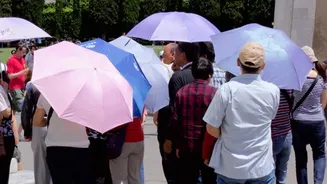
Monsoon packing is a strategic art. Leave the heavy jeans and cottons at home; they take forever to dry and can start to smell damp. Instead, opt for lightweight, synthetic, and quick-drying fabrics. Knee-length pants or shorts can save you from muddy hems. A sturdy, windproof umbrella and a reliable raincoat or poncho are essential. When it comes to footwear, waterproof sandals or floaters with good grip are your best friends. Pack an extra pair, as shoes can take a long time to dry. To protect your valuables, invest in a waterproof backpack or use dry bags and zip-lock pouches for your electronics, documents, and cash. It's also a good idea to carry a basic medical kit with remedies for common monsoon ailments and a strong insect repellent.
Embrace Indoor Alternatives and Slow Travel
A rainy day doesn't have to mean a boring day. A downpour can be the perfect excuse to explore a different side of your destination. Instead of that planned trek or beach day, consider visiting local museums, art galleries, or historical sites. A rainy afternoon is also the perfect opportunity to indulge in a long, leisurely lunch at a celebrated local restaurant, sampling regional delicacies. Many resorts enhance their indoor activity offerings during the monsoon, with everything from cooking classes to wellness spa treatments. This is your chance to slow down, read that book you've been meaning to finish, or simply sit by a window with a hot cup of chai and watch the rain transform the world outside. It's about shifting your mindset from a packed itinerary to a relaxed experience.
On-the-Ground Safety and Health
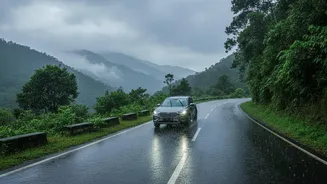
If you're already on your holiday, prioritise safety. Be extremely cautious around water bodies, as currents can be deceptively strong during the monsoon; avoid swimming in the sea or swollen rivers. Stay informed about road conditions and avoid travelling during heavy downpours, especially in hilly areas prone to landslides. When it comes to health, be mindful of what you eat and drink. Avoid street food that may have been exposed to contaminated water and stick to bottled or filtered water. Mosquitoes are more prevalent during this season, so use repellent and take precautions to avoid bites. Always listen to the advice of local authorities and your hotel staff—they have the most up-to-date information on safety in the area.