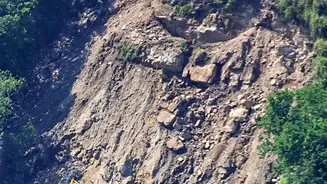







Landslides: The Silent Mountain Threat
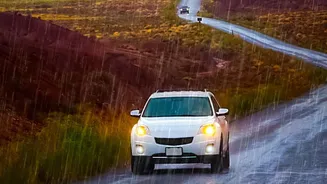
Heavy rain saturates the soil on steep slopes, making them unstable. While massive landslides are unpredictable, drivers can watch for warning signs. Be alert for new cracks in the road, soil or rocks slipping onto the tarmac, or the unusual sight of
saturated, seeping ground where it's normally dry. Pay close attention to embankments along the road, as they are particularly vulnerable. If you notice any of these signs, it is safest to turn back. Local authorities often identify and signpost landslide-prone zones; heed these warnings and avoid stopping in these areas. Driving slowly and avoiding travel at night or during peak downpours significantly reduces your risk, as visibility is better and you have more time to react to any road blockages or debris.
Potholes: The Hidden Road Ruiners
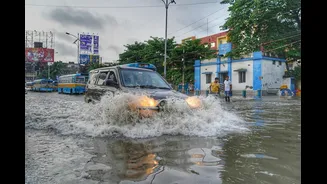
Rain is the primary culprit behind potholes. Water seeps into small cracks in the asphalt, weakening the material from below. The weight of passing vehicles then causes the weakened surface to collapse, forming a pothole. After rain, these craters are often filled with water, making their depth impossible to judge. Hitting a deep pothole can cause tyre blowouts, bent rims, and severe damage to your vehicle's suspension and alignment. To stay safe, reduce your speed on wet roads. Maintain a greater distance from the vehicle in front of you; this gives you a better view of the road surface ahead and more time to spot and steer around hazards. Be especially cautious when driving through puddles, as they can easily hide a deep and dangerous pothole.
Loose Surfaces: When Grip Disappears
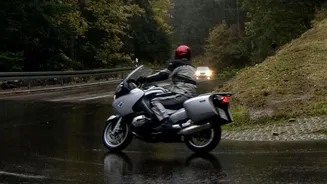
Rain doesn't just create potholes; it also washes loose gravel, mud, and other debris onto the road, creating treacherous, low-traction surfaces. When rain first starts, it mixes with oil and grime on the road, making it exceptionally slippery. This loss of grip can lead to skidding, especially on sharp bends and steep inclines. The key to handling these conditions is smoothness and reduced speed. Avoid any sudden acceleration, hard braking, or sharp steering movements, as these can easily cause your tyres to lose their hold on the road. If your vehicle starts to skid, it's crucial not to panic and slam on the brakes. Instead, ease off the accelerator and steer gently in the direction you want to go until you feel the tyres regain traction.
Vehicle Prep: Your First Line of Defence
Before you even start the engine, a thorough vehicle check is essential for a safe hill journey. Your tyres are the most critical component. Ensure they have adequate tread depth and are inflated to the manufacturer's recommended pressure. Worn or improperly inflated tyres drastically increase the risk of hydroplaning and blowouts. Check that your brakes are in perfect working order, as you'll be relying on them heavily. Also, confirm that your headlights, brake lights, and indicators are all functioning correctly, as good visibility is crucial in misty or rainy conditions. Finally, make sure your wipers are effective at clearing the windscreen and the washer fluid is topped up.
Driving Smarter in the Hills
Safe mountain driving after rain is about adjusting your technique. Always use a lower gear when descending steep slopes. This technique, known as engine braking, helps control your speed without overheating your brakes, which is a common issue on long downhill stretches. Honk before blind curves to alert oncoming traffic of your presence. Maintain a steady pace and avoid overtaking on narrow sections or blind turns. Most importantly, be patient. Hill driving is not a race, and the locals may drive faster because they are familiar with the terrain; don't feel pressured to keep up. Taking regular breaks can help you stay alert and focused on the challenging road conditions.