





Trust the Official Source
When it comes to weather, not all apps are created equal. Your most reliable source for weather information in India is the India Meteorological Department (IMD). It is the official agency responsible for issuing weather forecasts and warnings. You can
access its updates through its official website (mausam.imd.gov.in), the 'Mausam' and 'Damini' mobile apps, and its social media channels. These platforms provide everything from long-range forecasts to district-level warnings and even short-term 'nowcasts' for immediate weather events. Before planning your trip, make this your first stop to get a clear picture of the expected conditions.
Decoding the IMD's Colour Codes
The IMD uses a simple four-colour system to alert people to the severity of upcoming weather. Understanding what each colour means is crucial for any traveller. Green (All is Well): No severe weather is expected. You can proceed with your plans without any weather-related advisories. Yellow (Be Aware): This is a heads-up. It indicates that weather conditions could worsen over the next few days. It is a signal to stay updated and watch for changes, as daily activities might be disrupted. Orange (Be Prepared): This is a more serious warning for extremely bad weather. Expect potential disruptions to transport, including road and rail closures, and power cuts. For travellers, this is a strong signal to reconsider plans, especially in vulnerable areas. Red (Take Action): This is the highest level of alert, issued when severe weather is imminent and poses a significant threat to life and property. Widespread travel and power disruptions are almost guaranteed, and authorities will likely advise against all non-essential travel.
Understanding Rainfall Terms
Beyond the colours, weather bulletins often use specific terms to describe the potential spread of rainfall. These can be confusing, but they provide important context. - Isolated Rain: This means only a few places in a region (around 10-25%) are expected to get rain. Many areas will remain completely dry. - Scattered Rain: This suggests that a fair number of places (roughly 30-50%) in an area will experience rain. It's more widespread than isolated, but some parts will still stay dry. - Widespread Rain: This indicates that most of the area (75-100%) will receive rain. When you see this in the forecast, you should definitely expect to get wet.
Context is Everything: Consider the Terrain
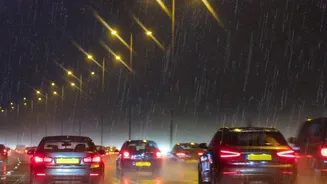
A weather warning's practical meaning changes dramatically with geography. An 'Orange' alert for heavy rain in a city like Mumbai might mean severe waterlogging and traffic jams. However, the same alert for a hill station in Himachal Pradesh or Uttarakhand indicates a high risk of landslides and flash floods, making travel extremely dangerous. Coastal destinations in Goa or Kerala could face rough seas and coastal flooding. Always assess the specific risks of your chosen destination. Is your hotel near a river that might flood? Are the roads leading to it prone to blockages? Recent reports show that even moderate rainfall can cause significant disruptions in hilly regions.
Your Monsoon Travel Checklist
Being prepared can make all the difference between a minor inconvenience and a major travel nightmare. Before and during your trip, keep these points in mind: 1. Stay Flexible: Keep buffer days in your itinerary to account for potential delays from road closures or cancelled transport. 2. Pack Smart: Carry a wind-resistant umbrella, a reliable raincoat, and waterproof footwear with good grip. Quick-drying clothes are preferable to cotton. Keep all electronics and important documents in waterproof bags or pouches. 3. Stay Charged: A fully charged power bank is a non-negotiable essential, as power cuts can be frequent during heavy rains. 4. Consult Locals: Before starting a journey, especially by road, check with your hotel staff or local contacts about the current conditions. They will have the most up-to-date ground reality. 5. Drive Safe: If you are driving, be extra cautious. Avoid travelling at night in heavy rain, drive slowly, and never attempt to cross a flooded road.