




The State of Mumbai's Real Estate Market
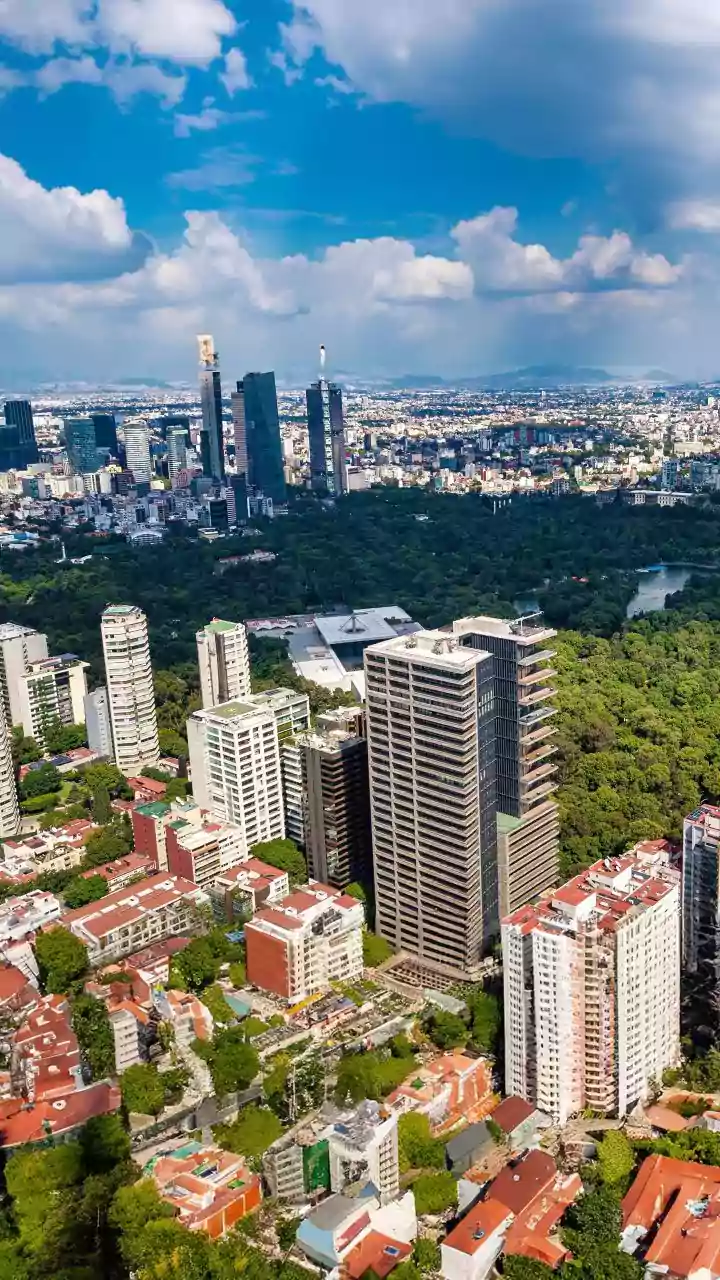
Mumbai's real estate market remains resilient and active in 2026, characterized by steady demand and rising prices. Data shows that property registrations have consistently hit multi-year highs. For instance, both July and August 2026 saw the highest
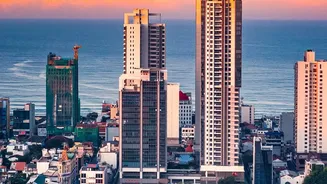
number of property registrations for those months in over 14 years, with August recording over 12,400 sales. This sustained momentum, following a strong first half of the year with over 80,000 registrations, indicates that end-user demand is firm despite high property values. Experts forecast a gradual and consistent price appreciation of 5% to 8% annually in the coming years. This growth is not uniform; it's driven by infrastructure development, redevelopment projects, and strong demand in specific micro-markets, from the prime areas of South Mumbai to growing suburban corridors. This makes it a market where informed buyers can still find value, but diligence is more critical than ever.
1. Scrutinize the Location and Future Infrastructure
A property's value is fundamentally tied to its location. In Mumbai, this means more than just a desirable address; it means connectivity. Assess the property's proximity to local train stations, metro lines, and arterial roads like the Western Express Highway or the Eastern Freeway. Consider your daily commute to work, as well as access to essential services like schools, hospitals, and markets. Beyond the present, investigate upcoming infrastructure projects. A new metro station, sea link, or coastal road connection can significantly boost a location's future appreciation and liveability. However, be wary of buying based on project announcements alone; focus on projects that are already under construction and have clear completion timelines.
2. Conduct Thorough Legal Due Diligence
Legal clarity is non-negotiable. Before committing, ensure you or your lawyer verify a comprehensive checklist of documents. This starts with the Title Deed, tracing ownership history for at least 30 years to ensure it's clear and marketable. For new projects, verify the developer's RERA (Real Estate Regulatory Authority) registration number on the official state portal. This allows you to check for project approvals, sanctioned plans, and the promised possession date. Other critical documents include the Commencement Certificate (CC), Occupancy Certificate (OC) for ready properties, and an Encumbrance Certificate to confirm the property is free of loans or legal disputes. Skipping this step can lead to disastrous financial and legal complications down the line.
3. Budget for the Hidden Costs
The price on the brochure is never the final price. First-time buyers, in particular, are often surprised by the multitude of extra costs that can inflate the total outgo by 15% or more. The single largest additional expense is stamp duty, which in Maharashtra is typically 5-6% of the property value. On top of that, there's a 1% registration charge. If you're buying an under-construction property, a 5% GST is applicable. Other charges include brokerage fees, society formation or transfer fees (for resale properties), home loan processing fees, and the cost of interiors and furnishings. Always budget for at least a 10-15% buffer over the agreement value to avoid financial strain.
4. Assess Construction Quality and Amenities
Whether it's a new tower or a resale flat, physically inspect the property. For new constructions, research the developer's track record and visit their other completed projects to gauge build quality. For older buildings, hire a professional to check for structural issues, plumbing problems, and the quality of wiring. Also, evaluate the amenities. While a gym and pool sound appealing, they come with high maintenance costs. In 2026, buyers are increasingly focused on practical features like good ventilation, efficient space layout, and reliable security. Ensure that charges for amenities and parking are explicitly mentioned in the sale agreement, as these are often presented as separate, non-negotiable costs.
5. Evaluate Rental and Resale Potential
Even if you're buying for personal use, think like an investor. A property's potential to generate rental income or appreciate for resale is a key indicator of its worth. Research the prevailing rental rates in the area for similar-sized apartments. A healthy rental yield is a sign of a strong, in-demand location. Similarly, a property in an area with limited new supply and high demand is more likely to see capital appreciation. Properties with clear legal titles, good construction, and excellent connectivity are always easier to sell or rent out, making your investment more liquid and secure in the long run.