

Catch the ‘False Dawn’ in Early September
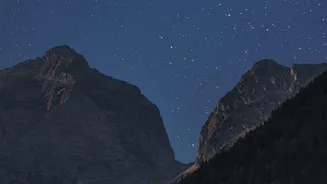
In the first half of the month, before the Moon gets too bright, is the perfect time to look for a mysterious glow in the sky called the zodiacal light. This hazy pyramid of light, sometimes called the 'false dawn', is sunlight reflecting off dust particles
floating between the planets. To see it, you'll need to be in a very dark location, far from city lights, around 90 minutes before sunrise. Look to the eastern horizon for a faint, milky cone of light extending upwards. The best viewing opportunity will be around the New Moon on September 11, as the sky will be at its darkest. It’s a subtle but beautiful phenomenon that rewards early risers with a truly unique sight.
Watch Venus Shine Its Brightest
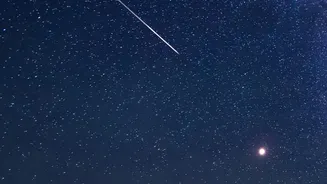
Throughout the month, the planet Venus will be a dazzling beacon in the evening sky, but it reaches its peak brilliance on September 18. At a magnitude of -4.8, it will be exceptionally bright, making it one of the easiest objects to spot, even from light-polluted areas. To see it, just look toward the western horizon shortly after sunset. On September 14, a slender crescent Moon will appear near Venus, creating a lovely pairing in the twilight sky. These events require no special equipment; your eyes are all you need to appreciate the brilliant spectacle of our neighbouring planet.
Welcome Autumn with the September Equinox
On September 23, the Earth will reach a point in its orbit known as the autumnal equinox. While this isn’t a visual event you can watch in the sky, it marks the official start of autumn in the Northern Hemisphere. On this day, the Sun shines directly over the Earth’s equator, and day and night are of nearly equal length across the globe. The equinox is a great reminder of our planet's journey around the Sun. Interestingly, the weeks surrounding the equinox can sometimes increase the chances of seeing auroras (Northern and Southern Lights) due to the way the solar wind interacts with Earth's magnetic field.
Bask in the Glow of the Full Harvest Moon
The celestial highlight of the month is the full Harvest Moon, which reaches peak illumination on September 26. This full moon gets its name because it is the one closest to the autumnal equinox. Historically, its bright light helped farmers work late into the night to bring in their crops. A unique feature of the Harvest Moon is that for several consecutive nights, the moonrise occurs only about 25 to 30 minutes later each evening, rather than the usual 50 minutes. This provides an extended period of bright moonlight. The best time to watch is as it rises near the horizon around sunset, when an optical effect known as the 'Moon illusion' can make it appear dramatically large and colourful. Look for the planet Saturn trailing nearby, creating a beautiful celestial duo throughout the night.
Try to Spot a Distant World
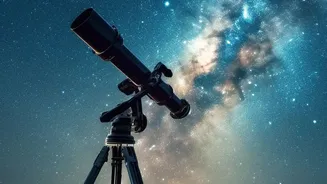
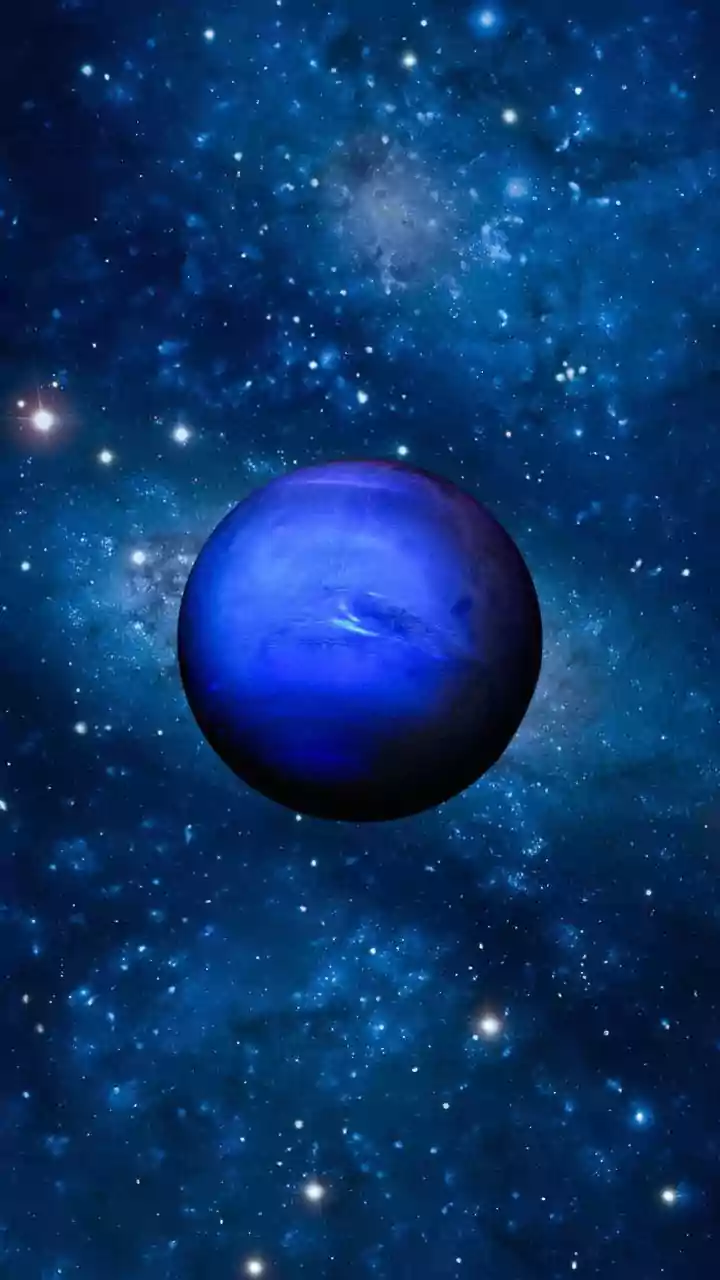
For those with a pair of good binoculars or a small telescope, September 26 offers a challenge: spotting Neptune. On this date, the distant ice giant will be at opposition, meaning Earth is directly between it and the Sun. This is when Neptune is at its closest and brightest for the year. Even so, it is far too faint to be seen with the naked eye, appearing as a tiny, star-like point of blue light in the constellation Pisces. While it requires patience and optical aid, finding the solar system’s most distant planet is a rewarding experience for aspiring astronomers looking to take the next step beyond naked-eye viewing.