





The Indian vacation is changing. For a growing number of travellers, the goal is no longer just to see a place, but to truly experience it. This has sparked a quiet revolution, shifting focus from hotels to homestays and from sightseeing to senses.
From Tourist to True Traveller
For
years, travel often followed a predictable script: check into a hotel that looks the same in any city, visit the top three landmarks, and eat at a highly-rated, but often generic, restaurant. Today, however, a significant number of Indian guests, especially millennials and Gen Z, are rejecting this 'cookie-cutter' model. They are seeking authenticity and connection, a desire that has fuelled the rise of homestays. Unlike large, impersonal hotels, homestays offer a window into the local way of life. The host is not just a manager but a cultural guide, a storyteller, and often, a phenomenal cook. This shift is driven by a desire for experiences over mere sightseeing, and food has become a central part of this new travel narrative.
Defining Hyper-Local Cuisine
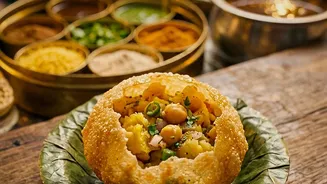
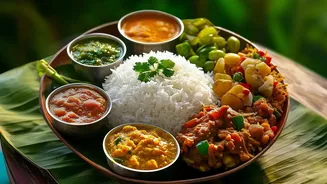
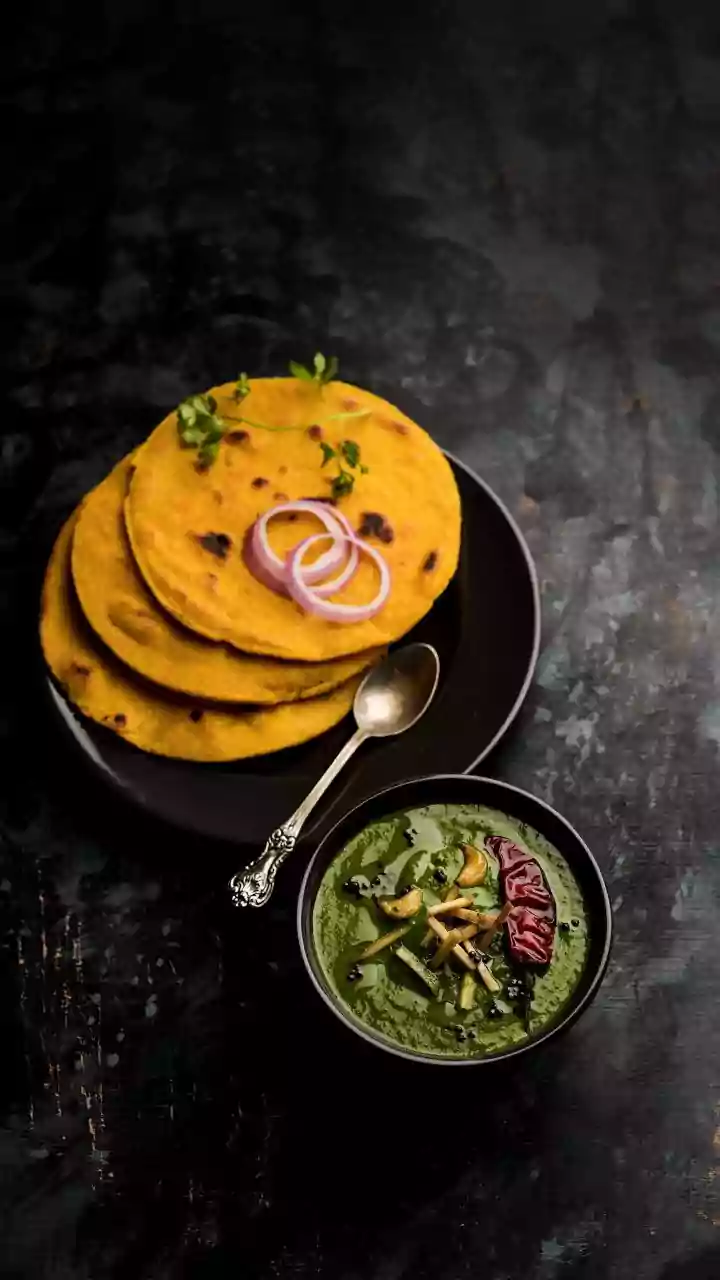
The star of the modern homestay experience is increasingly what’s on the plate. But this isn’t just about sampling regional food; it's about 'hyper-local' cuisine. This refers to food that is not only traditional to the area but is sourced from the immediate vicinity—sometimes from the homestay’s own backyard. Think of a fish curry in Kerala made with the day's catch from the adjacent backwaters, wild greens foraged from the Himalayan foothills in a Himachal cottage, or vegetables plucked from the garden just hours before being served in a Coorgi home. This food tells a story of the specific place, its climate, and its soil. It's an intimate dining experience that a restaurant, with its standardized supply chain, can rarely replicate.
The Search for Authentic Connection
So, why the obsession with what’s on the menu? The appeal of hyper-local food goes far beyond taste. It is a direct route to cultural immersion. Eating a meal prepared by the host family, using their ancestral recipes, creates a powerful sense of connection and trust. It transforms dining from a transaction into a shared experience. Travellers get to learn the stories behind the dishes, understand the significance of certain ingredients, and participate in a daily ritual that defines the local culture. In a world of filtered images and curated online personas, this kind of raw, authentic experience has become the ultimate travel luxury.
Food as the Main Event
Culinary tourism in India is booming, with many travellers now planning their entire trips around food. In this context, the homestay meal is not an afterthought but a main attraction. The experience often extends beyond the dining table. Many hosts invite guests to join them on trips to the local market, offering a colourful glimpse into community life. Others offer informal cooking sessions where guests can learn to prepare a local delicacy, turning a meal into a lasting skill and memory. Research shows that a huge majority of Indian travellers are influenced by a destination's culinary appeal, and homestays are perfectly positioned to deliver on this, offering an unmatched level of authenticity.
Supporting Local Lives and Legacies
The trend towards hyper-local food in homestays also has a significant positive impact. It directly supports the local economy, from the farmers growing the produce to the hosts who are empowered to turn their culinary skills into a livelihood. This is particularly true for female hosts, for whom running a homestay kitchen can be a source of financial independence. Furthermore, this movement helps preserve India's incredibly diverse culinary heritage. As guests show a keen interest in traditional foods, hosts are encouraged to keep preparing and passing down recipes that might otherwise be forgotten in the face of modern, standardized diets. Each meal becomes an act of cultural preservation.