




A Modern Playbook for Winter Wellness
For years, the winter health mantra has been straightforward: wash your hands and get a flu shot. While that advice remains crucial, recent public health guidance has added a new layer of defence that is just as important: ventilation. Lessons learned
about the airborne spread of viruses mean we now have a more complete picture of how to protect ourselves from a range of respiratory illnesses, including influenza, RSV, and the common cold. As we spend more time indoors during colder months, the air we share becomes a primary vehicle for transmission. Stagnant indoor air allows virus particles to build up, increasing everyone's risk of getting sick. This updated focus provides a two-pronged approach: managing your personal hygiene and actively managing your indoor environment.
Why Fresh Air Is Your New Best Friend
Ventilation is simply the process of bringing fresh, outdoor air inside to replace stale indoor air. When a person with a respiratory infection coughs, sneezes, or even just talks, they release tiny virus-containing particles into the air. In a poorly ventilated room, these particles can linger for hours, waiting to be inhaled. By introducing fresh air, you dilute the concentration of these particles, significantly reducing the chance of transmission. Think of it like cleaning a spill; the more fresh air you introduce, the faster you clear away the contaminants. This simple act is a powerful tool against the seasonal surge in illnesses that sees millions of people take sick days from work and school each year.
Simple Ways to Improve Ventilation
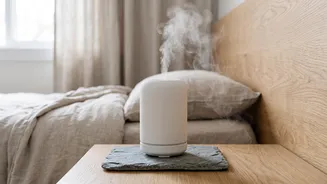
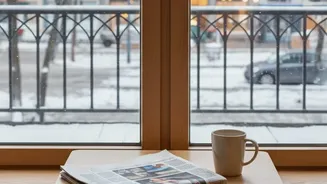
Improving indoor air quality doesn't have to be complicated or expensive. The easiest method is to open windows and doors for 10-15 minutes several times a day, even in winter. This quick exchange can dramatically reduce the number of airborne virus particles. Creating a cross-breeze by opening windows on opposite sides of a room is even more effective. Also, remember to use the exhaust fans in your kitchen and bathrooms, as they are specifically designed to pull stale, moist air out of your home. If you are in a space where opening a window isn't practical, such as some offices, an air purifier with a HEPA filter can be a useful addition, as it physically traps airborne particles.
The Unchanging Importance of Hygiene
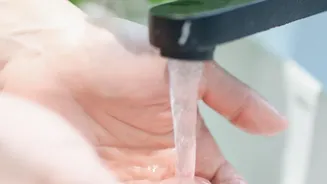
While we pay more attention to the air, the fundamental rules of hygiene are as important as ever. Washing your hands frequently with soap and water for at least 20 seconds remains one of the most effective ways to prevent the spread of germs. Viruses can live on surfaces like doorknobs, remote controls, and phones for hours. When you touch a contaminated surface and then touch your face, you can infect yourself. Handwashing breaks this chain of transmission. It’s critical to wash your hands after using the restroom, before eating, after coughing or sneezing, and after being in public places. If soap and water aren't available, an alcohol-based hand sanitiser with at least 60% alcohol is a good substitute.
Strengthening Your Defences from Within
Ventilation and hygiene are about preventing exposure to germs, but a strong immune system is your body's best defence if you are exposed. Staying up - to - date on recommended vaccinations, including the annual flu shot and any necessary COVID - 19 or RSV immunisations, is the most effective way to prevent severe illness. Beyond that, supporting your overall health plays a huge role. Ensure you get adequate sleep, stay hydrated, eat a balanced diet rich in fruits and vegetables, and get regular physical activity. When you do feel unwell, staying home from work or school is crucial to allow your body to recover and to protect those around you from getting sick.