



Plan, Prepare, and Get Permits
A successful and safe trek begins long before you hit the trail. First, research your route thoroughly. During the monsoon, some paths become treacherous due to slippery rocks and swollen streams. Opt for gradual slopes and well-marked trails, especially
if you're a beginner. Many trails in the Western Ghats, particularly within national parks and reserved forests in states like Karnataka, now require advance online booking and permits to manage crowds and protect the environment. Recent regulations limit the number of trekkers per day on popular routes and mandate hiring a local guide. This not only enhances your safety but also supports local communities. Check the forest department websites for the latest rules, book your slot, and ensure you have all necessary documents, like a government-issued ID, before you go.
Pack Light, Pack Right
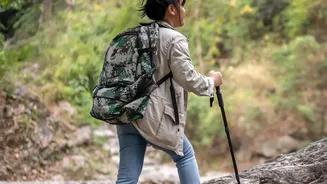
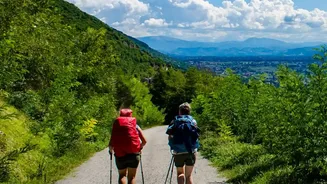
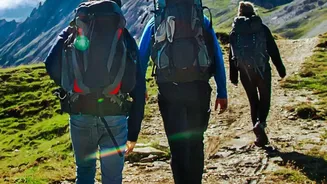
What you carry matters for both your comfort and the environment's health. The golden rule is to avoid single-use plastics. Instead of disposable bottles, carry a reusable water bottle. Pack high-energy snacks in reusable containers to minimize wrapper waste. Your clothing should consist of quick-drying fabrics. For footwear, invest in a pair of trekking shoes with excellent grip and ankle support to navigate slippery monsoon trails. A lightweight rain poncho is often more effective than a simple jacket, as it can cover both you and your backpack. A basic first-aid kit, a power bank, and insect repellent are non-negotiable. Finally, always carry a dedicated garbage bag to bring back all your waste.
Embrace the 'Leave No Trace' Ethos
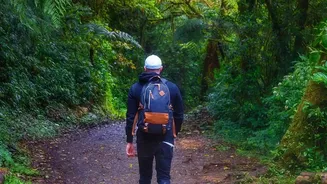
The core principle of responsible trekking is to leave the environment exactly as you found it, if not better. This is the essence of the 'Leave No Trace' movement. The most critical rule is 'pack it in, pack it out,' meaning all your garbage, including food scraps, must be carried back with you. Never litter. Stick to the designated trails to prevent trampling on fragile vegetation and causing soil erosion. Avoid making loud noises or playing music, which can disturb wildlife and detract from the tranquility of nature. If you must use soap, ensure it's biodegradable and use it at least 200 feet away from any water source to prevent contamination.
Respect Wildlife and Flora
The Western Ghats are a biodiversity hotspot, and encountering wildlife can be a thrilling part of the experience. Observe animals from a safe and respectful distance. Never attempt to feed them, as this disrupts their natural behaviour and can make them aggressive. Do not pluck flowers, uproot plants, or collect souvenirs like stones or feathers. Leave what you find for others to enjoy. During the monsoon, be prepared for leeches in many areas. Anti-leech socks can offer protection, but the key is not to panic. Remember, you are a guest in their home.
Prioritise Your Safety and the Group's
Ecological responsibility goes hand-in-hand with personal safety. Always trek in a group and stick together. It's crucial to inform a reliable contact back home about your detailed itinerary and expected return time. Hiring a certified local guide is now mandatory in many areas and is highly recommended everywhere else. They possess invaluable knowledge of the terrain, weather patterns, and potential hazards. Be physically and mentally prepared for the trek's difficulty level. If you feel unwell, do not push yourself. In case of an emergency, a guide with a GPS or walkie-talkie can be a lifesaver. Adhering to the rules set by trek leaders and forest officials is not just about compliance; it's about ensuring your own well-being.