







The Great Deception of Humidity
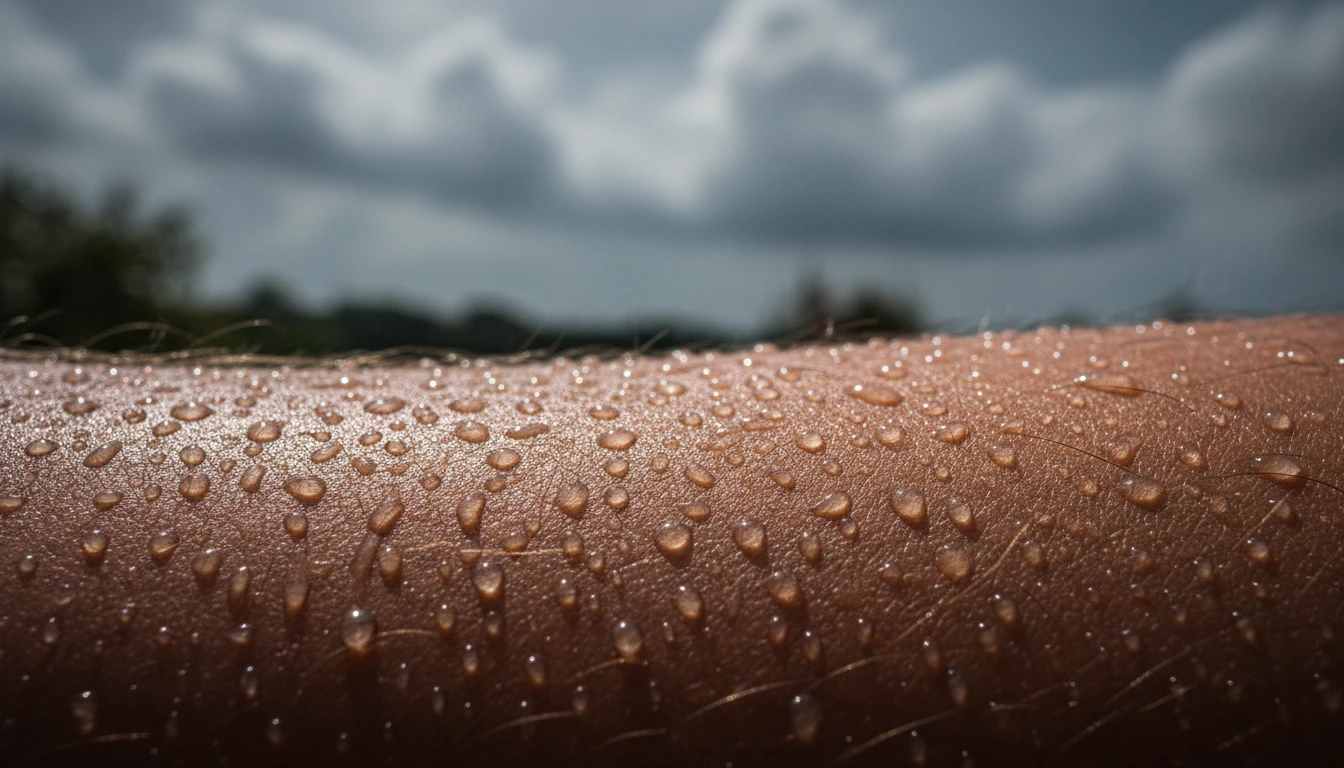
On a dry day, your body has a brilliant cooling system: you sweat, and as that sweat evaporates, it pulls heat away from your skin. But during the humid monsoon season, the air is already saturated with moisture. This dramatically slows down, or even
stops, the evaporation process. Your sweat glands keep working, often producing even more sweat in an attempt to cool you down, but it just drips off without providing much relief. This creates a dangerous illusion. You feel drenched and might assume you're cooling effectively, but in reality, your core body temperature can be steadily rising. The lack of evaporation short-circuits your body’s primary method of temperature regulation.
When Your Thirst Signal Fails
One of the most insidious effects of high humidity is its ability to blunt your body's thirst response. You might not feel as thirsty as you should, creating a false sense of security about your hydration status. The constant feeling of being wet from non-evaporating sweat can trick your brain into thinking you have adequate fluid levels. This disconnect means that by the time you actually feel thirsty, you could already be significantly dehydrated. This fluid loss isn't just water; you're also losing crucial electrolytes like sodium and potassium, which are vital for muscle function and nerve signalling.
Subtle Signs You Shouldn't Ignore
Since thirst isn't a reliable indicator in humid weather, athletes need to be vigilant for other, more subtle signs of dehydration and heat exhaustion. Early warnings can be easy to dismiss as just part of a tough workout. These include a noticeable drop in energy, rising irritability, dizziness, or difficulty concentrating. Physical symptoms like muscle cramps, nausea, and a feeling of weakness or fatigue are also red flags. One of the more obvious indicators is the colour of your urine; if it's the colour of apple juice or darker, it's a strong sign you need to hydrate. Don't wait for severe symptoms like confusion, fainting, or a rapid, weak pulse, as these can signal the onset of heat exhaustion or the even more dangerous heat stroke.
Your Monsoon Workout Safety Plan
Exercising safely during the monsoon requires a proactive approach rather than a reactive one. First, hydrate before you even start your workout and continue to sip water or an electrolyte drink consistently throughout, even if you don't feel thirsty. If possible, shift your workouts to cooler parts of the day, like the early morning or later in the evening. When the humidity is particularly high, consider moving your workout indoors where you can control the climate. Activities like yoga, strength training, or stationary cycling are great alternatives. If you do exercise outdoors, wear lightweight, synthetic clothing that wicks moisture away from your body, rather than cotton which soaks up sweat and becomes heavy. Listen to your body above all else. If you start to feel dizzy, nauseous, or excessively fatigued, stop, find a cool place, and rehydrate immediately.