




The Instagram Ideal vs. The On-Ground Reality
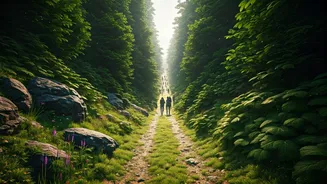
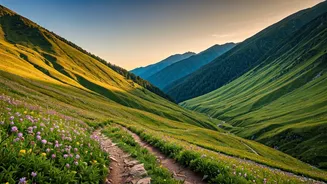
Scroll through Instagram, and you’ll see Kasol and McLeod Ganj as pristine mountain paradises—lone trekkers on misty trails and serene moments by the Parvati River. This is the image that fuels the annual exodus from Indian cities. However, the on-ground
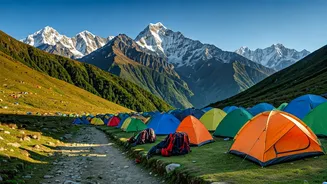
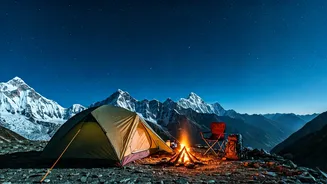
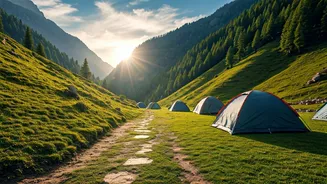
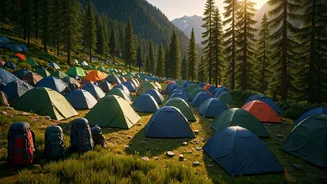
reality during peak season is starkly different. Narrow roads are gridlocked. Once-quiet cafes have waiting lines. Campsites, pitched tent-to-tent, buzz with Bluetooth speakers long into the night, replacing nature's sounds with a cacophony of competing playlists. For travellers arriving with hopes of solitude, the first encounter is one of overwhelming crowds, turning the quest for peace into a frustrating ordeal.
A Perfect Storm of Popularity
What caused this deluge? It’s a perfect storm. Post-pandemic 'revenge travel' saw urbanites desperate for escape. The 'work-from-mountains' trend brought long-stay visitors. But the biggest accelerant is social media. Kasol, once a quiet backpacker haven, is now a must-do party destination. McLeod Ganj, home of the Dalai Lama, is a checklist item for every North India itinerary. Countless reels and vlogs showcasing 'top things to do' have created a powerful feedback loop: the more popular a place looks online, the more people flock to it, making it ironically less like the idyllic place advertised.
The Unseen Cost of a Good Time
This massive influx comes at a steep price. These fragile Himalayan ecosystems are not equipped for such volumes. The most visible problem is waste. Treks like Kheerganga are infamous for trails of plastic bottles and food wrappers. Local water sources are strained to serve thousands of hotels and guesthouses. Unregulated construction has mushroomed to meet demand, raising concerns about geological stability in a sensitive zone. The very natural beauty that draws people in is being eroded by the sheer weight of their presence. The pollution is also noise and light, disturbing wildlife and shattering the tranquility.
A Double-Edged Sword for Locals
For local communities, the tourism boom is complex. On one hand, it’s an undeniable economic lifeline, supporting thousands of families. Many have found prosperity unimaginable a generation ago. On the other hand, this reliance has downsides. The cost of living has skyrocketed, and the social fabric is changing as traditional life gives way to a commercialised culture. There's a growing sense of alienation as quiet villages transform into bustling tourist towns. The debate between economic benefit and cultural and environmental preservation is a daily reality.
Finding a More Mindful Path
Is the magic of these places gone forever? Not necessarily, but finding it requires a different approach. If the goal is a peaceful escape, visit during the shoulder seasons instead of the peak summer rush. It might also mean exploring lesser-known villages away from the main tourist hubs. More importantly, it calls for a shift towards responsible tourism: carrying your waste back, minimising plastic use, choosing homestays over large hotels, and respecting local customs. It means understanding you are a guest in someone's home and a visitor in a delicate ecosystem.