

Goodbye to the Catalogue Look
For years, decorating a home often meant choosing a complete set from a catalogue or showroom. The sofa matched the armchairs, which matched the coffee table, creating a uniform, cohesive, but often impersonal look. Today, that approach is being replaced
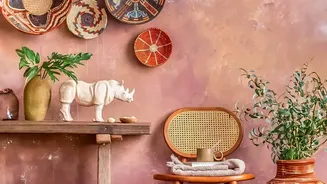
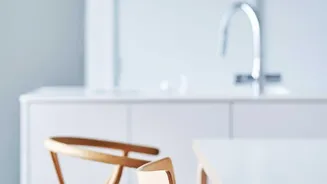
by a more eclectic and thoughtful style. Homeowners are confidently pairing a sleek, modern sofa with a hand-carved wooden side table, or placing a minimalist dining table alongside chairs woven from cane. The goal is no longer perfection but personality. This shift is a response to the sameness of mass-produced designs, with a growing desire for homes that feel unique and reflect a personal journey.
A Story in Every Corner
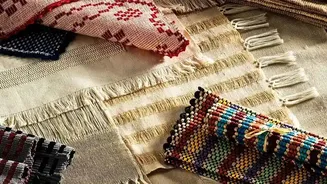
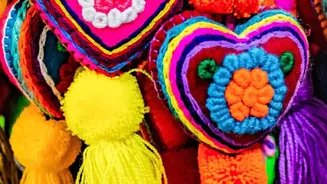
At the heart of this trend is the desire for authenticity. A handcrafted object—be it a terracotta vase, a block-printed cushion, or a brass idol—carries the mark of its maker. These pieces tell a story of skill, tradition, and human effort, adding a layer of meaning that factory-made items often lack. By mixing these artisanal treasures with functional, everyday furniture, the modern Indian home becomes a living gallery of personal taste and cultural heritage. This approach allows for a space that feels collected and curated over time, rather than assembled in a single shopping trip. Each piece, whether old or new, is chosen because it resonates with the homeowner.
Celebrating Indian Craftsmanship
This trend also signifies a renewed appreciation for India's vast repository of artisanal skills. From the intricate woodwork of Saharanpur to the iconic blue pottery of Jaipur and the timeless appeal of Dhokra metal art, traditional crafts are finding a prominent place in contemporary interiors. This isn't about creating a traditionally styled room, but rather using these elements as powerful accents. A single, beautifully crafted piece can anchor an entire space, providing a focal point that is both visually striking and culturally significant. Furthermore, there is a growing consciousness among consumers to support local artisans and preserve these generational skills, making each purchase a meaningful investment.
The Art of the Mix
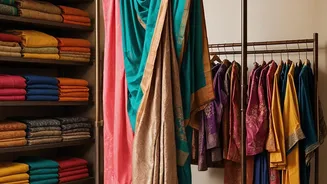
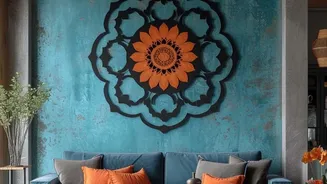
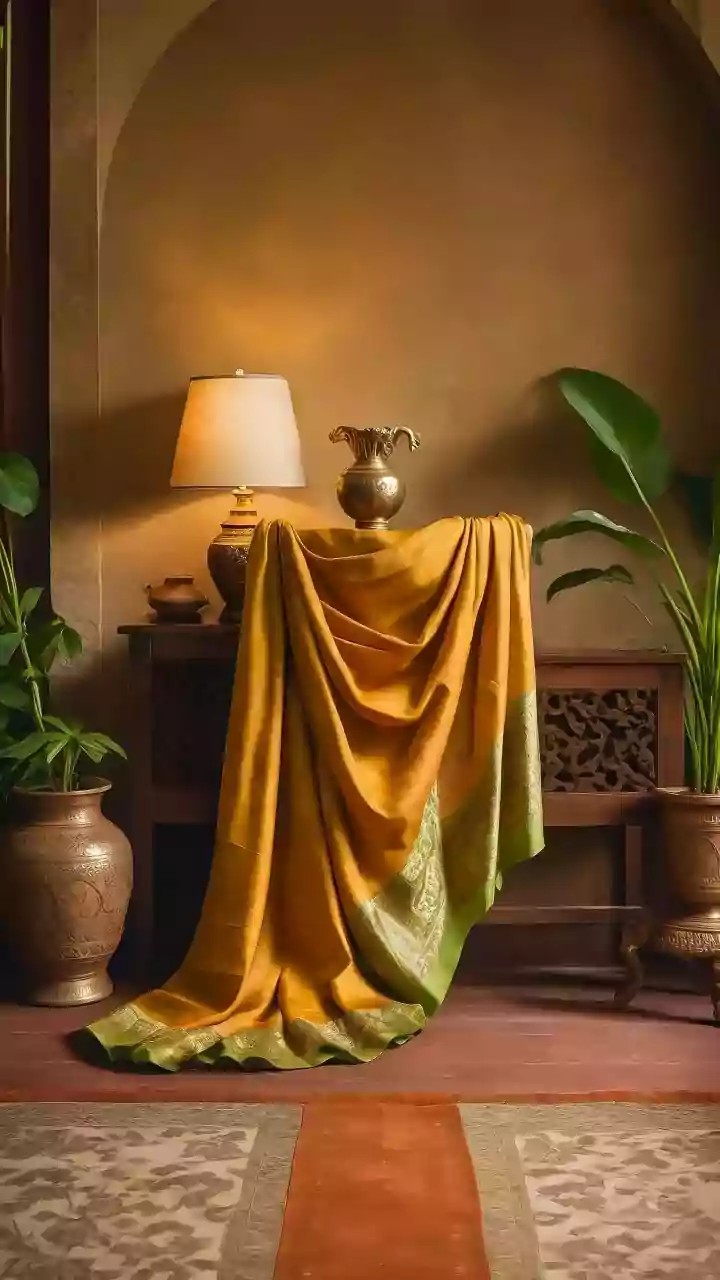
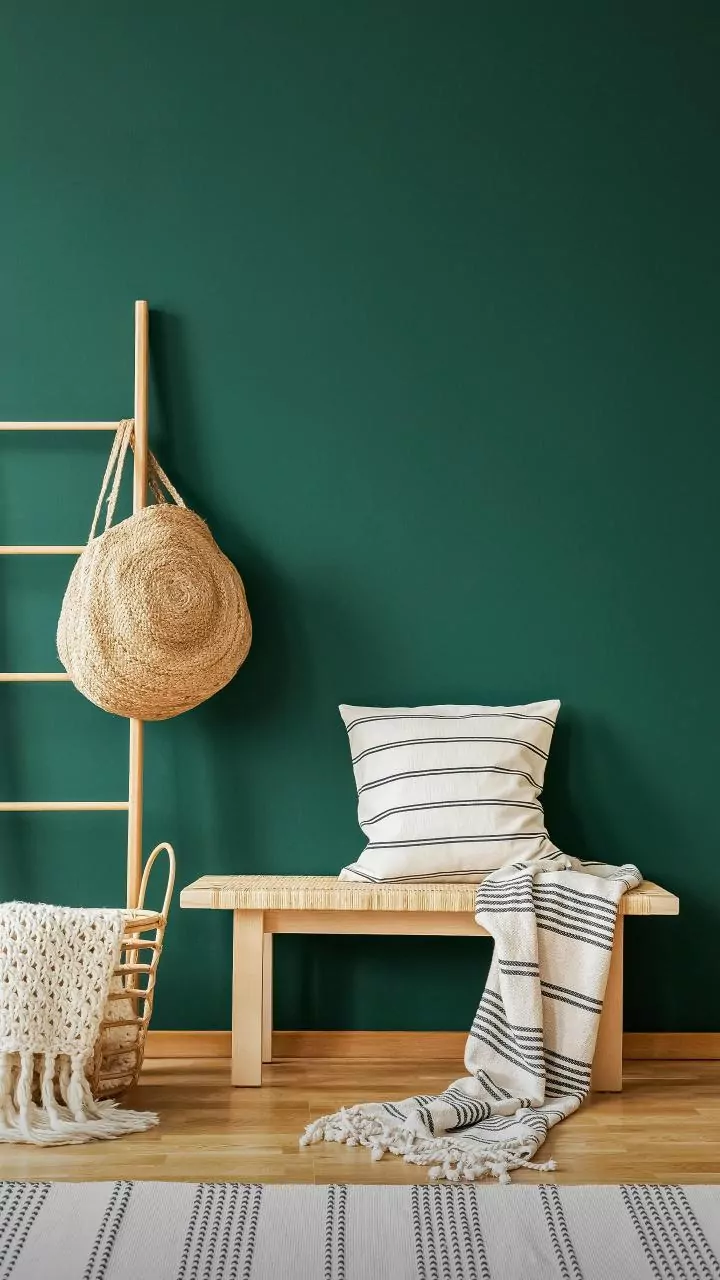
Successfully blending handmade and mass-produced items is an art form in itself. The key is to find a common thread, such as a consistent colour palette, to create harmony. For instance, you can pair furniture with clean, modern lines with textiles rich in traditional Indian prints like ikat or bandhani. Texture also plays a crucial role; mixing a smooth, polished surface with a raw, natural material like jute or terracotta adds depth and interest. Another effective strategy is to use a neutral base for larger items like sofas and walls, allowing bolder, handcrafted pieces to stand out as accents without overwhelming the space. The contrast between the sleekness of modern design and the rustic charm of handmade objects creates a dynamic and visually engaging interior.
More Than Just an Aesthetic
This movement is about more than just decoration; it reflects a deeper cultural shift. In a globalised world where design can feel homogenous, incorporating regional crafts is a way of asserting cultural identity. It’s a move towards more sustainable and conscious consumption, prioritising quality and longevity over fleeting trends. Natural materials like wood, cane, and clay are celebrated for their honesty and ability to age gracefully. Ultimately, this blend of handmade and everyday furniture creates spaces that are not only beautiful but also deeply personal and emotionally resonant, transforming a house into a sanctuary that truly feels like home.