

The Myth of the Closed-Down Jungle
For years, the conventional wisdom was that national parks shut down during the monsoon, making wildlife-watching impossible between June and September. While it's true that the core zones of most tiger reserves close, this is only part of the story.
The closure is necessary to protect the fragile ecosystem during the crucial breeding season and because heavy rains can make forest tracks unsafe. However, many parks keep their buffer zones—the areas on the fringes of the core habitat—open for tourism. These zones are teeming with life, and a handful of parks, especially in Southern India, remain open year-round, offering a completely different kind of safari experience.
A Different Kind of Magic
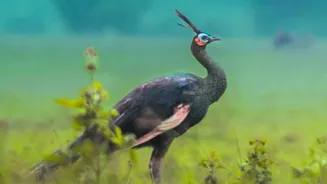
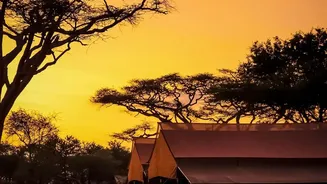
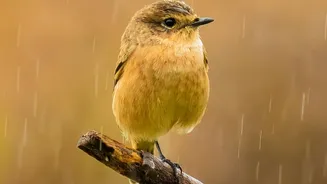
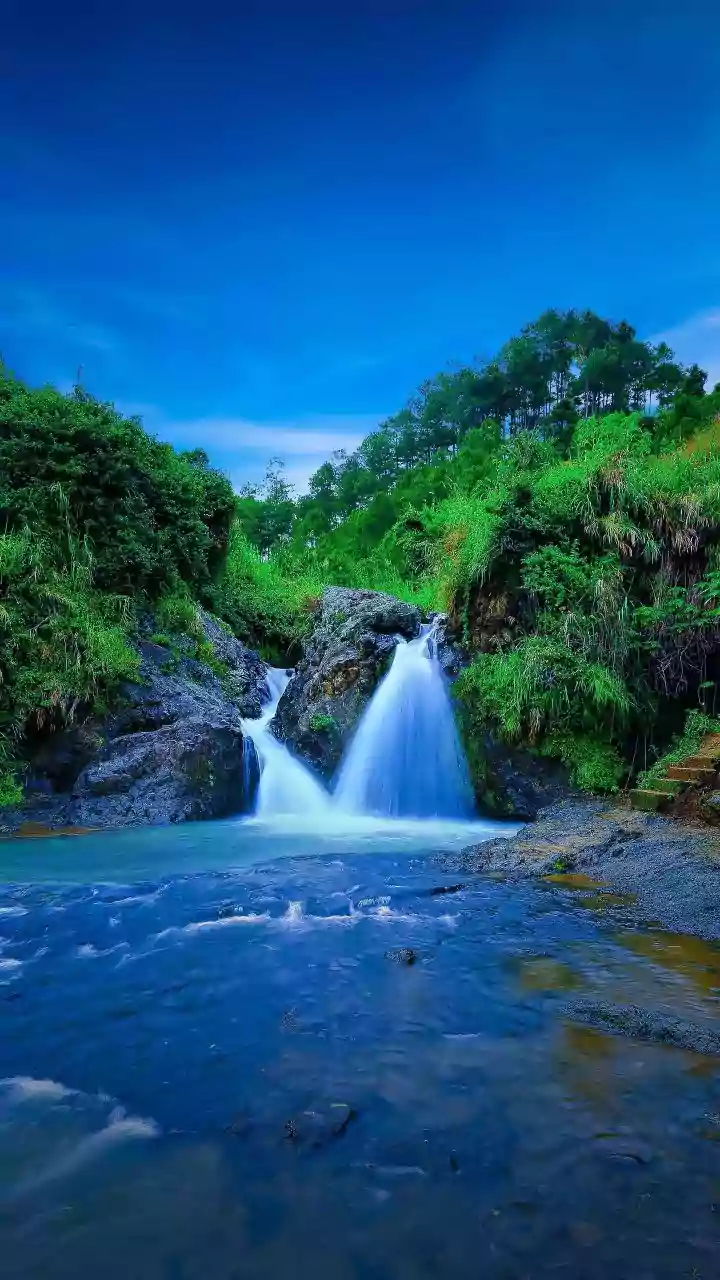
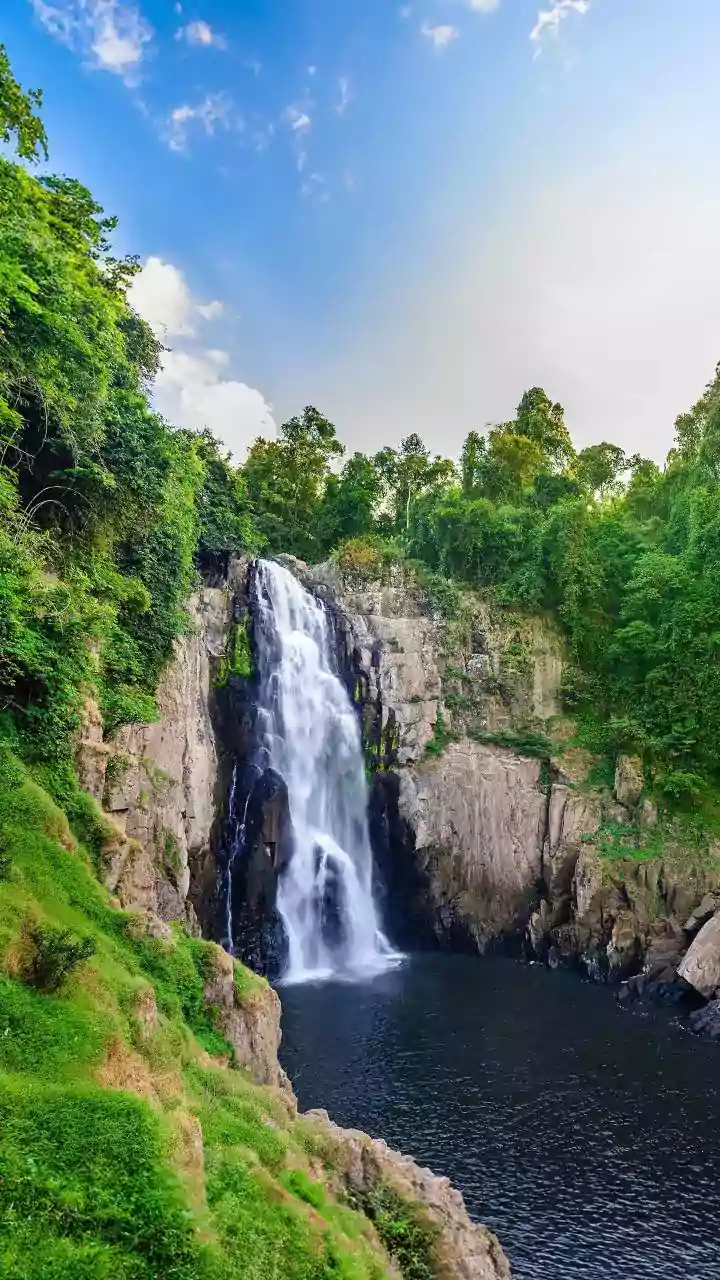
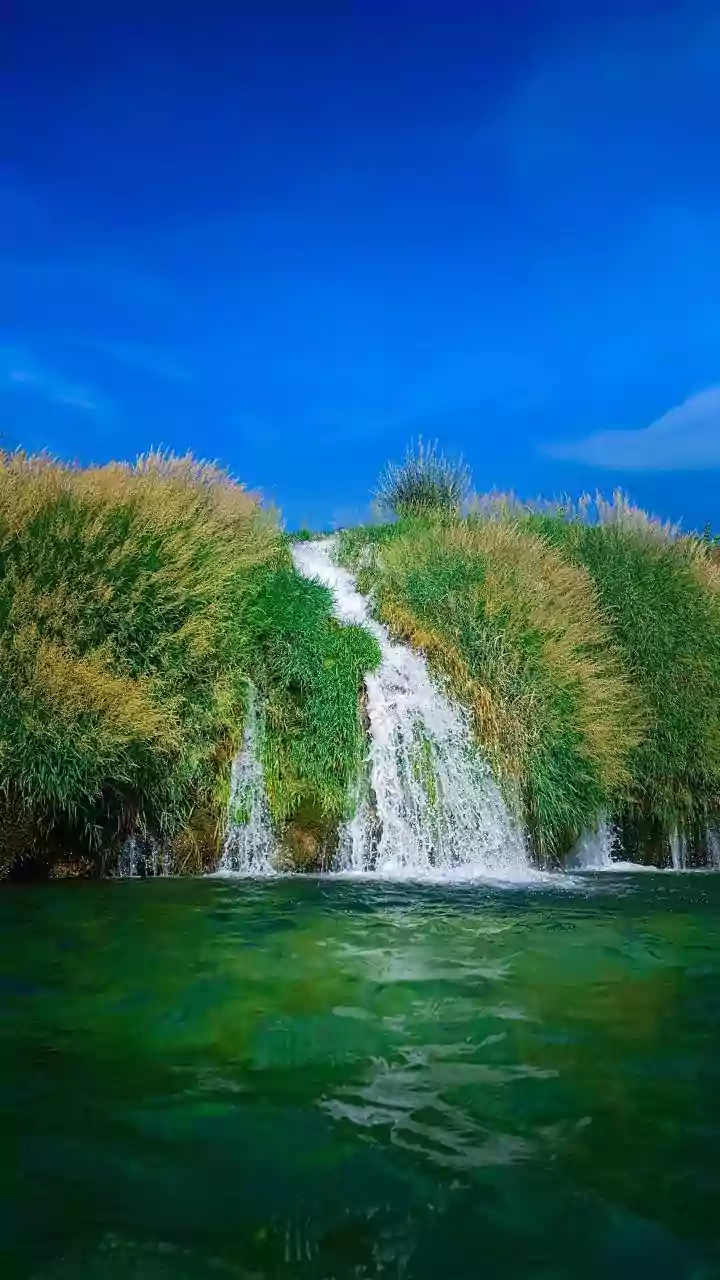
A monsoon safari isn't about ticking off a list of big animals; it's about atmosphere. The landscape transforms into a lush, emerald paradise, washed clean of summer dust. The cooler temperatures mean animals can be active throughout the day, not just at dawn and dusk. The forest is alive with the chorus of frogs and insects, and birdwatching is particularly rewarding. For photographers, the dramatic skies, vibrant greenery, and diffused light create spectacular opportunities. It's a quieter, more serene experience with fewer crowds, allowing for a more personal connection with nature.
Spotlight: Ranthambore & Corbett
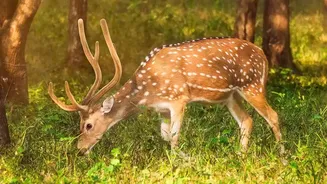
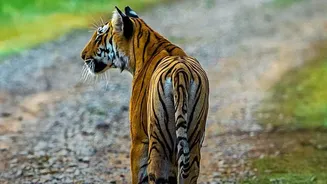
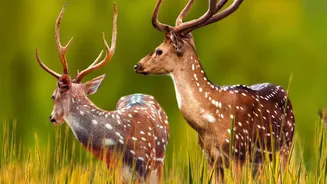
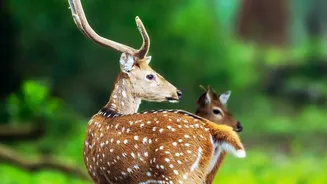
Two of North India's most famous tiger reserves, Ranthambore and Jim Corbett, offer limited access during the monsoon. In Ranthambore, while the core zones 1-5 are closed, zones 6-10 remain open for safaris. The ancient forts and ruins look particularly dramatic against the rain-washed greenery, and tigers have been known to use the firmer safari roads during this time. Similarly, in Jim Corbett, buffer zones like Jhirna, Dhela, and Sonanadi welcome visitors. A drive through the thick, green forests offers a chance to see elephants, deer, and a plethora of bird species against a stunning green backdrop.
Spotlight: Tadoba & Central India
In Central India, the buffer zones of several major parks remain accessible. Tadoba-Andhari Tiger Reserve in Maharashtra is a prime example, with some gates remaining open year-round. The park's high tiger density means sightings are still possible, especially around lakes where animals come to cool off. Likewise, the buffer areas of parks like Pench, Kanha, and Bandhavgarh provide a serene and lush safari experience, even if the core areas are inaccessible until October.
Southern Sanctuaries: Periyar & Kabini
Southern India is arguably the most reliable region for monsoon wildlife tourism. Periyar National Park in Kerala, nestled in the Western Ghats, is a prime example. Its signature experience is the boat safari on Periyar Lake, which continues throughout the rains and is perfect for spotting herds of elephants and other animals along the shore. Nearby, the Kabini Wildlife Sanctuary in Karnataka, part of Nagarhole National Park, also remains open. The overflowing backwaters attract massive elephant herds, and boat safaris provide fantastic viewing and photography opportunities.
Know Before You Go
A monsoon safari requires some preparation. The experience is more about the lush environment and the overall atmosphere than guaranteed tiger sightings, as the dense foliage can make spotting animals more challenging. Roads can be muddy and slippery, so safaris are conducted in capable 4x4 vehicles. Leeches are common, so appropriate footwear and clothing are essential. Always check the latest information with park authorities before planning your trip, as safari routes and park access can change at short notice depending on the intensity of the rainfall. But for those willing to embrace the rain, the reward is seeing India's wilderness in its most vibrant and dramatic form.