
The End of the Matching Set Era
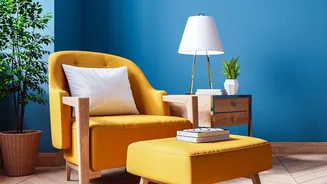
Remember when buying furniture meant acquiring a complete, non-negotiable set? The three-seater sofa came with two single-seaters, and the centre table was a non-identical twin. This ‘catalogue style’ of decorating offered a safe, predictable, and cohesive
look. It was the interior design equivalent of a fixed thali—convenient and complete, but not tailored to individual taste. This approach promised a beautiful home but often resulted in spaces that felt anonymous and disconnected from the people living in them. These homes, while technically well-decorated, lacked personality. They were designed to be looked at, not lived in, reflecting a universal aesthetic rather than a personal story.
The Rise of a 'Story-Driven' Home
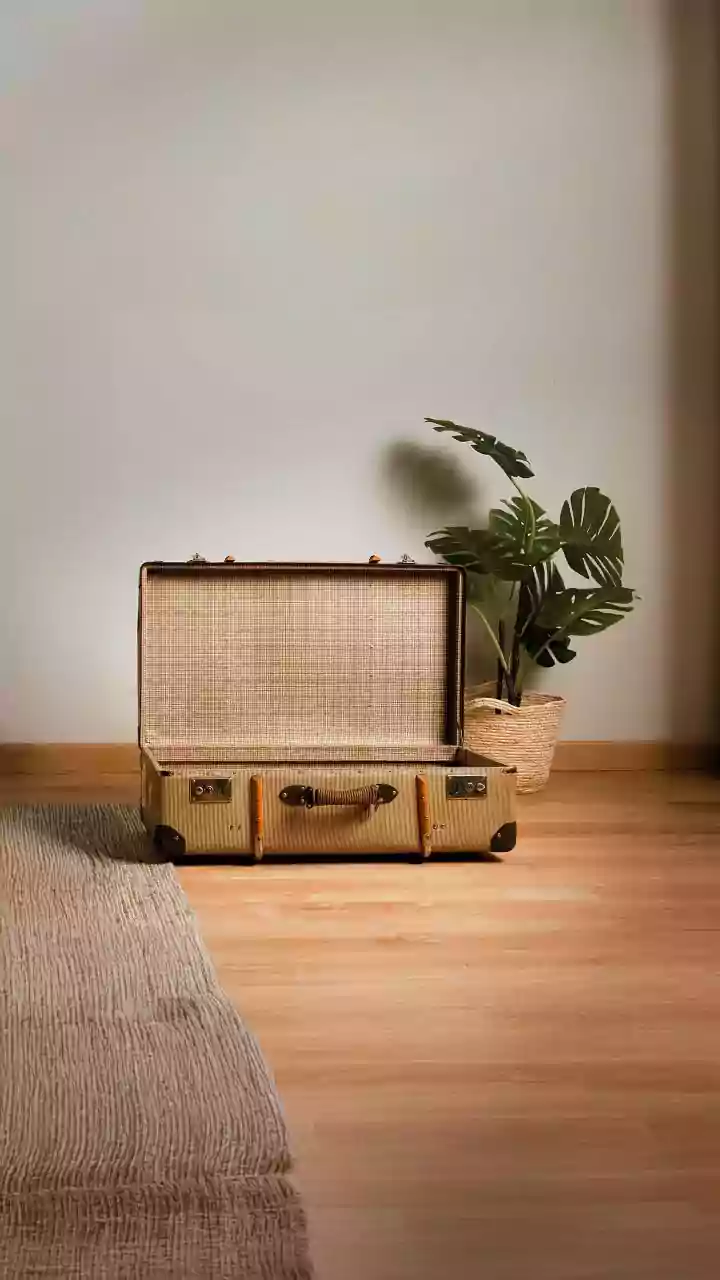
Today, a significant shift is underway. Homeowners are increasingly rejecting the one-look-fits-all model in favour of spaces that tell their personal story. This new approach is about creating a home that is a living autobiography, a collection of objects, memories, and experiences. It’s a space where a sleek, modern sofa can coexist with a grandparent's antique trunk, and walls can feature a mix of contemporary art and framed family photographs. The focus is no longer on perfection but on authenticity. This trend isn't about following a specific style like minimalism or maximalism; it's about curating a collection of items that hold meaning for the occupant, turning the home into a narrative of their life.
What's Driving This Decor Revolution?
Several factors are fuelling this change. The pandemic played a huge role, forcing people to spend unprecedented amounts of time at home. This intense familiarity made many realise their spaces weren't truly functional or comfortable. Simultaneously, social media platforms like Instagram and Pinterest have become vast virtual design galleries, exposing Indians to a world of interior styles beyond the traditional. Homeowners now arrive at design consultations armed with Pinterest boards and saved posts, with a clearer idea of what they want. There is also a renewed appreciation for local artistry and craftsmanship. People are actively seeking out handmade, unique pieces that support local artisans and bring a sense of heritage and soul into their homes.
The New Rules of Indian Decor
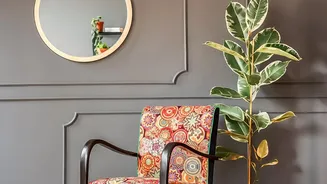
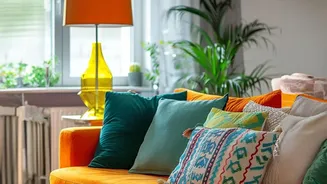
So, what does this personalised approach look like in practice? It’s about mixing, not matching. It’s the confidence to pair a piece of vintage furniture with a contemporary sofa or display folk art next to modern prints. Texture is another key element, with homeowners embracing everything from lime-wash finishes to wood-panelled walls to add depth and character. Sustainability is also a growing consideration, with a preference for durable, well-made pieces over fast furniture that needs frequent replacing. This 'slow interiors' movement encourages building a home over time, investing in fewer but better items that will last for years. Ultimately, the new rule is that there are no rules—only what feels right and true to the homeowner.
A Home That Truly Feels Like Your Own
This evolution from catalogue-style to personalised decor marks a deeper cultural shift. It reflects a growing confidence in individual taste and a desire for authenticity in all aspects of life. The home is no longer just a physical shelter or a status symbol; it's becoming an extension of our identity. It's a place for self-expression, a sanctuary filled with objects that bring joy and tell the story of who we are. By thoughtfully curating our surroundings with items we love—be it a handwoven rug, a piece of inherited brass, or a collection of books—we move beyond simply decorating a house to creating a home with a soul.