







A Symphony of Silent Light
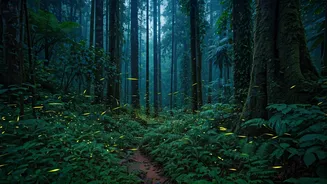
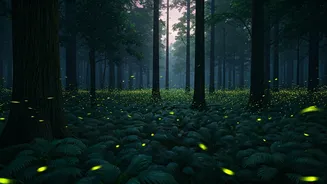
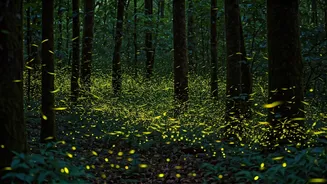
Imagine standing in near-complete darkness, surrounded by the subtle sounds of the forest. Then, as if on cue from an unseen conductor, thousands, then millions, of tiny lights begin to flash in unison. They pulse across entire trees, turning the foliage
into a glittering chandelier. This isn't a scene from a fantasy film; it's the pre-monsoon reality in several pockets of the Western Ghats, particularly in Maharashtra. For a few precious weeks, typically in May and June, these landscapes host one of nature’s most enchanting spectacles: the mass assembly of fireflies. Organised eco-walks take small groups of visitors into the heart of this phenomenon, offering a chance to witness this silent, luminous symphony without disturbing the delicate ecosystem.
The Science Behind the Sparkle
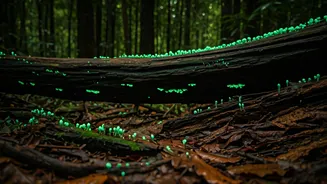
What we call fireflies are actually winged beetles, not flies. Their magical glow is a product of bioluminescence, a chemical reaction within their bodies that produces light with very little heat. This light is a language. Each flash is a message, primarily used for attracting mates. Different species have different flash patterns, creating a complex dialogue in the dark. The most awe-inspiring part of the Western Ghats display is synchronicity. Large groups of male fireflies flash their lights all at once to amplify their signal, hoping to attract females. Scientists believe this coordinated effort helps males stand out from the visual noise of the forest and increases their chances of finding a partner. It’s a desperate, beautiful, and highly effective romantic display.
Where the Magic Happens
While fireflies exist across India, these massive, synchronized congregations are a hallmark of specific regions. The village of Purushwadi in Maharashtra has become particularly famous for its annual Firefly Festival, an initiative often driven by community-led eco-tourism groups. Other areas in the Sahyadri range, from the Bhimashankar Wildlife Sanctuary to remote villages near the Koyna region, also offer stunning displays. The key is a healthy, undisturbed forest ecosystem. Firefly larvae, known as glow-worms, feed on snails and slugs in damp soil and leaf litter. The presence of a thriving firefly population is a strong indicator of a healthy environment, free from excessive pollution and habitat destruction. These walks are therefore more than just a visual treat; they are a celebration of a living, breathing forest.
A Fragile and Fleeting Wonder
The spectacle is as fragile as it is beautiful. Fireflies are extremely sensitive to environmental changes. The biggest threat is light pollution. Artificial lights from buildings, streetlights, and even car headlights can disrupt their flashing patterns, confusing the insects and severely hindering their ability to mate. This is why guided eco-walks are so important. They enforce strict rules: no bright torches (only red-filtered lights, if any), no flash photography, and no loud noises. Habitat loss and the use of pesticides also decimate their populations. By participating in responsible, community-managed tours, visitors not only get to witness the magic but also contribute to the local economy and support conservation efforts that protect these glowing beetles for future generations.
A Global Chorus of Light
The phenomenon of synchronous fireflies is not exclusive to India, which makes the Western Ghats experience part of a global natural heritage. The Great Smoky Mountains National Park in the United States and parts of Southeast Asia, like Malaysia and Thailand, are also famous for their coordinated firefly displays. Each location features different species with unique flashing rhythms. This global context makes the annual gathering in the Ghats even more special. It’s India's own chapter in a worldwide story of natural wonder, a powerful reminder of the intricate and interconnected beauty that thrives in the planet’s wild spaces when we give it the space and respect it needs.