



A World Without Weather
The most straightforward reason for the footprints' longevity is the Moon's lack of a significant atmosphere. Here on Earth, our planet is a dynamic, chaotic place. Wind scours surfaces, rain washes away details, and constant temperature fluctuations
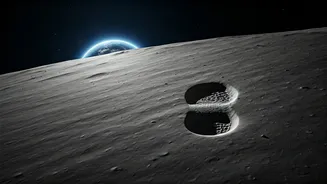
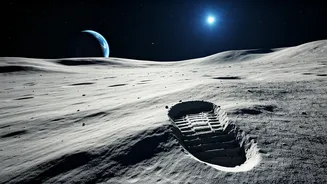
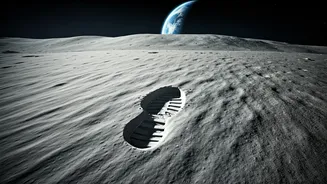
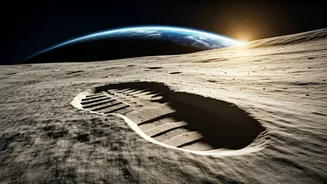
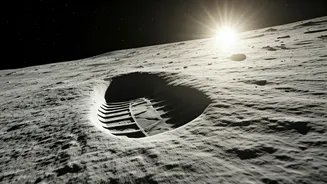
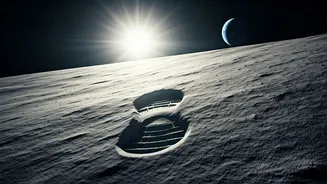
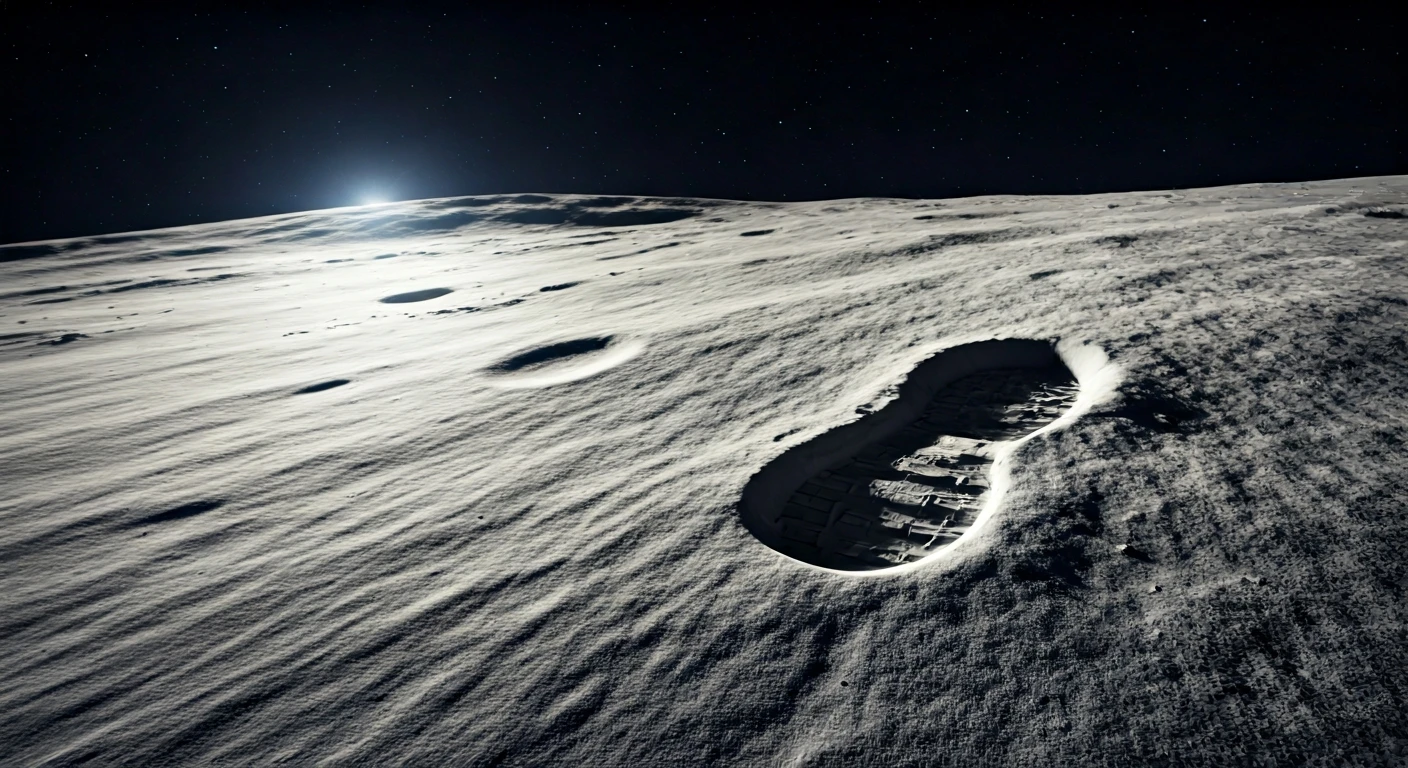
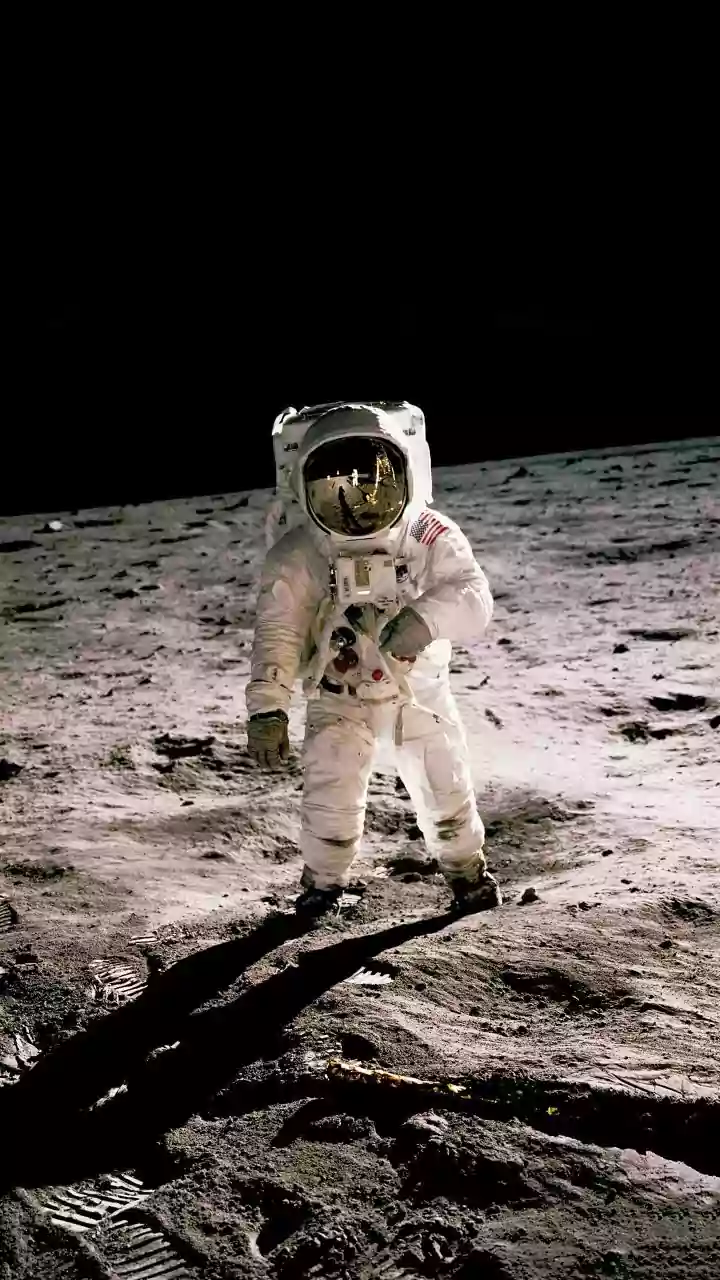
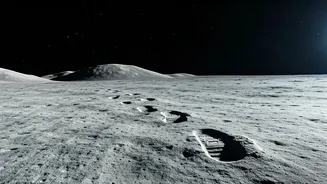
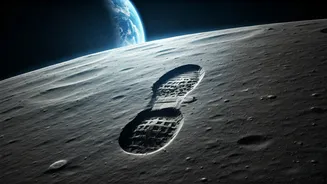
cause materials to expand and contract, breaking them down over time. We call this 'weathering,' and it’s a relentless force that erases almost everything. The Moon has none of this. There is no air to create wind, no water to fall as rain, and no weather systems to speak of. The vacuum of space is a perfect preservative. Without these forces, the delicate imprint left by Neil Armstrong’s and Buzz Aldrin’s boots in 1969—and those of the ten other astronauts who walked on the Moon—remain frozen in time, just as they looked moments after they were made.
The Secret in the Soil
While the lack of weather is key, the unique nature of lunar soil, or 'regolith,' is the other part of the equation. Unlike the sand on an Earth beach, which is weathered into rounded grains by wind and water, lunar regolith is fundamentally different. It's the product of billions of years of micrometeorite impacts pulverising lunar rock into a fine, flour-like powder.
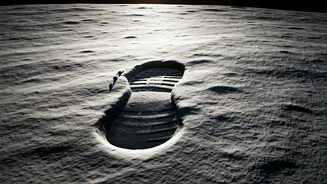
Under a microscope, these particles are sharp, jagged, and full of glassy fragments. Because they have never been tumbled by wind or water, they lock together exceptionally well when compressed. Think of the difference between trying to make a footprint in dry, round pebbles versus stepping in wet sand. The lunar regolith acts more like the latter; it compacts tightly and holds the shape of the boot tread with incredible fidelity. It’s not just sitting on the surface; it’s pressed *into* a material that doesn't want to let go.
The Slow March of Cosmic Erosion
So, are the footprints truly permanent? Not quite, but on a timescale that is difficult for a human mind to grasp. While the Moon has no weather, it is not entirely static. It is constantly bombarded by a gentle rain of micrometeorites—tiny dust particles travelling at incredible speeds. This process, often called 'space weathering' or 'gardening,' slowly churns the very top layer of the lunar surface.
This cosmic sandblasting is an incredibly slow process. Scientists estimate that it erodes the lunar surface at a rate of about 1 millimetre every 1,000 years. Since the footprints are a few centimetres deep, they are expected to remain visible for millions of years. Eventually, this steady bombardment will soften their edges and fill them in, but we are likely talking about a timeframe longer than modern humans have existed. In every practical sense, they are permanent fixtures.
A Museum on the Moon
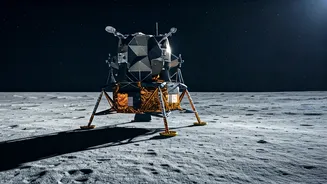
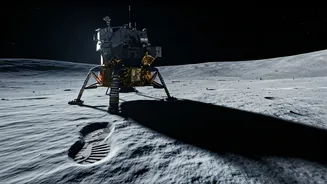
The permanence of these sites has led to a new conversation: preservation. The Apollo landing sites are more than just footprints. They are outdoor museums, complete with discarded equipment, rovers, scientific instruments, and the American flags planted there. These artifacts represent a pivotal moment in human history—our first steps away from our home world.
As new government and commercial missions plan their return to the Moon, organisations like NASA and the non-profit For All Moonkind are working to establish guidelines to protect these heritage sites. The goal is to ensure that future lunar explorers do not inadvertently disturb or destroy these irreplaceable records of human achievement. They are advocating for 'keep-out zones' around the Apollo landing sites, treating them with the same reverence we give to ancient ruins on Earth.