



The Ayurvedic Blueprint for Monsoon
Ancient wisdom, particularly from Ayurveda, provides a foundational logic for monsoon eating habits. The rainy season, or 'Varsha Ritu', is seen as a time when the body's digestive fire, known as 'Agni', is naturally weaker. This is coupled with an aggravation
of the 'Vata' dosha (the energy of air and space), which can lead to issues like bloating and indigestion. The core principle, therefore, is to consume foods that are light, warm, and easy to digest to support, not suppress, this weakened digestive fire. This is why traditional meals shift away from heavy, cold, and raw foods towards freshly cooked, warm preparations that comfort the system. This age-old advice aligns with modern food safety, which also cautions against raw foods that carry a higher risk of contamination in the humid weather.
Boosting Immunity When It Matters Most
The monsoon season is notorious for a spike in infections, from the common cold to water-borne diseases. The high humidity and fluctuating temperatures create an ideal environment for bacteria and viruses to thrive. Traditional monsoon diets are inherently designed to bolster the body's defenses. The emphasis on freshly cooked meals reduces the risk of consuming contaminated food. Furthermore, the specific ingredients used are often potent immunity boosters. Spices like turmeric, ginger, garlic, and black pepper, which are staples in monsoon cooking, are celebrated for their anti-inflammatory, antibacterial, and antiviral properties. Consuming warm, spiced soups and herbal teas is a common practice that not only provides comfort but also helps the body fight off seasonal ailments.
The Ideal Monsoon Vegetable Basket
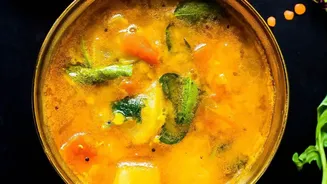
Not all vegetables are created equal when it comes to the monsoon diet. Traditional wisdom suggests favoring vegetables that are light and easy on the stomach. This includes a variety of gourds like bottle gourd (lauki), ridge gourd (turai), and bitter gourd (karela). These vegetables, which grow above the ground, are less likely to be contaminated by water-logged soil. Conversely, leafy green vegetables are often consumed with caution during this season. The dampness and mud can make them difficult to clean thoroughly, increasing the risk of germs. The focus shifts to produce that is seasonal, fresh, and requires cooking, which helps in eliminating any potential pathogens.
Grains, Pulses, and Probiotics
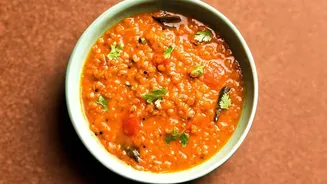
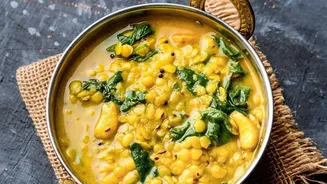
The choice of staples also adapts to the season. Ayurveda recommends older grains like barley and aged rice, which are considered lighter and easier to digest than freshly harvested ones. When it comes to pulses, moong dal is the star of the monsoon. Its light nature makes it the preferred ingredient for dishes like khichdi, which is widely regarded as a perfect monsoon meal—nourishing, easy to digest, and balancing. While heavy dairy is often discouraged, freshly prepared probiotics get a nod. Homemade curd is considered beneficial, especially during lunch, as it supports gut immunity. However, it's typically avoided at night as it is considered a 'cold' food that could slow digestion further.