




The Monsoon Challenge: More Than Just Rain
While the romance of the monsoon is undeniable, the reality inside our homes can be less poetic. The persistent dampness and high humidity create a perfect breeding ground for mould, mildew, and a host of unwelcome pests. This is the season of musty-smelling
clothes that never seem to dry, sticky kitchen counters, and the constant fear of fungal growth in wardrobes and on walls. For renters in compact urban apartments and homeowners alike, battling the sensory and health challenges of the monsoon can feel like a losing fight against nature. These common issues are prompting a shift away from chemical-heavy cleaners towards simpler, more sustainable solutions that have been trusted for generations.
Vinegar: Your Weapon Against Odour and Mildew
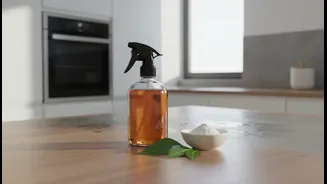
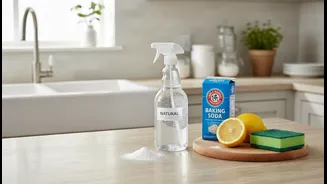
White vinegar is a powerhouse cleaner, and its acidic nature makes it especially effective during the monsoon. That stubborn, musty smell that clings to laundry? Adding a cup of white vinegar to the rinse cycle can neutralize those odours and help remove detergent residue that traps moisture. The sharp smell of vinegar dissipates as the clothes dry, leaving them smelling fresh. For surfaces, a solution of equal parts white vinegar and water in a spray bottle is a versatile tool. It can be used to wipe down kitchen counters, clean window sills stained by rain, and even tackle early signs of mildew on walls. Its antifungal properties help inhibit the growth of mould, making it a crucial ally in keeping your home healthy and odour-free.
Baking Soda: The Ultimate Moisture Absorber
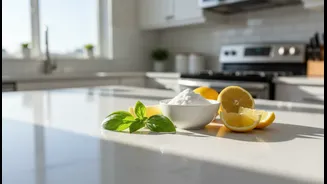
Baking soda, or sodium bicarbonate, is a master of absorption and a gentle abrasive. During the monsoon, its ability to soak up excess moisture from the air is invaluable. Placing small, open bowls of baking soda inside wardrobes, shoe cabinets, and bathrooms can help combat dampness and prevent the stale smells that come with it. For cleaning, a paste made from baking soda and a little water can be used to scrub away grime from kitchen sinks and tiles without scratching the surfaces. It's also effective against existing mould; sprinkle it on a damp, mouldy patch, let it absorb the moisture, and then scrub it away. This simple pantry staple is a cost-effective and non-toxic way to keep your home feeling dry and clean.
Neem: Nature’s Pest and Germ Repellent
Neem has been a cornerstone of traditional Indian home care for centuries, largely due to its powerful insect-repellent and antifungal properties. The monsoon season sees a spike in insects like flies, mosquitoes, and ants. Boiling a handful of neem leaves in water, then straining the cooled liquid to use as a floor cleaner, is a time-tested method to keep pests at bay. This neem-infused water not only disinfects surfaces but also leaves behind a scent that naturally deters insects. You can also place dried neem leaves in cupboards and storage trunks to protect clothes and other items from mildew and moths. As a natural pesticide, neem is much safer for homes with children and pets than chemical alternatives.
Combining Forces for a Cleaner Home
While these ingredients are effective on their own, they can also be combined for even greater cleaning power. For a potent drain cleaner that tackles monsoon-related clogs and odours, pour half a cup of baking soda down the drain, followed by a cup of vinegar. Let the fizzing action work for about 15 minutes before flushing with hot water. For a tough, mould-fighting scrub, create a paste using baking soda and vinegar. Apply it to stubborn grout lines or mildew spots, let it sit, and then scrub with an old toothbrush. An all-purpose disinfecting spray can be made by mixing neem water with a small amount of vinegar. These simple, DIY recipes allow you to tackle nearly every monsoon cleaning challenge without a cupboard full of expensive, specialised products.