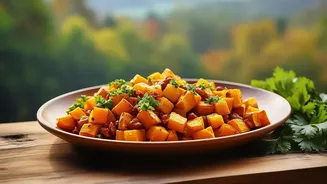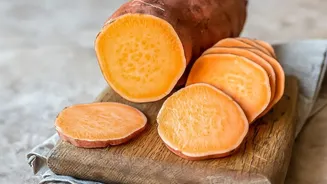




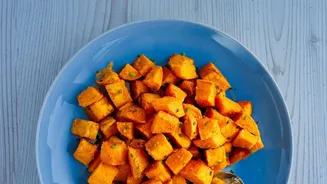
They're both orange, delicious when roasted, and mainstays of the autumn table. But when it comes to nutrition, sweet potato and butternut squash aren't identical. So which one is the right choice for your plate? Let's break it down.
The Calorie Question
Let's get right to
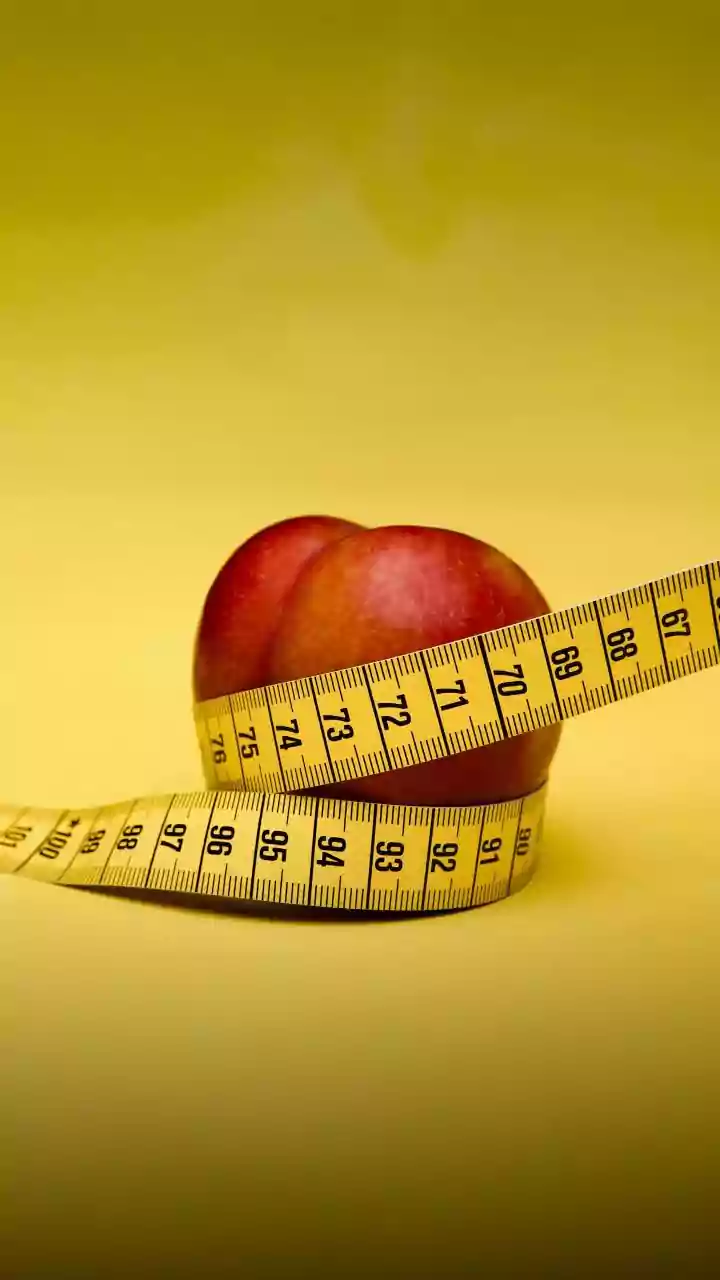
the headline topic: calories. If your primary goal is calorie reduction, butternut squash is the clear winner. A one-cup serving of cooked butternut squash typically contains around 80 to 90 calories. In contrast, the same amount of cooked sweet potato comes in significantly higher, usually packing between 180 and 200 calories. That's more than double. For those managing portion sizes or aiming for a lower-calorie diet, this difference is substantial. The higher calorie count in sweet potato is largely due to its denser, starchier nature compared to the more watery flesh of butternut squash.
A Look at Carbs, Sugar, and Fibre
The calorie difference is directly linked to the carbohydrate content. A cup of cooked sweet potato contains about 41 grams of carbohydrates, while butternut squash has roughly half that, at around 22 grams. This makes butternut squash a preferred option for anyone following a lower-carb eating plan. When it comes to sugar, sweet potatoes also contain more, which contributes to their distinctly sweet flavour. However, both are excellent sources of dietary fibre, which is crucial for digestive health and feeling full. Both vegetables provide around 6 to 7 grams of fibre per cup, making either choice a great way to support your gut health.
The Vitamin A Powerhouses
When it comes to Vitamin A, you can't go wrong with either. Both sweet potatoes and butternut squash are famous for their rich orange hue, which comes from beta-carotene, a compound your body converts into Vitamin A. This vitamin is essential for vision, immune function, and skin health. Both vegetables provide well over 100% of your daily recommended intake in a single serving. While the exact amounts can vary, butternut squash often has a slight edge in Vitamin A content. For Vitamin C, another key immune-booster, butternut squash also tends to deliver a bit more per serving than sweet potato. Still, both contribute a healthy dose.
Minerals and Blood Sugar Impact
Beyond vitamins, these vegetables also offer important minerals. Sweet potatoes are a standout source of potassium, a mineral vital for balancing fluids and maintaining healthy blood pressure. They generally contain significantly more potassium than butternut squash. Both also provide a good amount of magnesium. Another important factor to consider is their effect on blood sugar, measured by the glycemic index (GI). Butternut squash typically has a lower GI than sweet potato, meaning it's less likely to cause a rapid spike in blood sugar levels. However, the cooking method matters immensely for sweet potatoes; boiling them results in a much lower GI compared to baking or roasting.
Making the Right Choice for Your Meal
Ultimately, the 'better' choice depends entirely on your personal health goals and culinary needs. If you are focused on weight management or following a low-carb or low-calorie diet, butternut squash is the superior option due to its lower calorie and carbohydrate counts. Its lighter texture and milder flavour make it versatile for soups, purees, and even as a pasta substitute. On the other hand, if you are an athlete or someone looking for a more energy-dense, high-potassium food to fuel workouts or aid in muscle recovery, the sweet potato is an excellent choice. Its starchy, satisfying texture holds up well to baking and roasting, making it a hearty and filling side dish.