

Why the Monsoon is a High-Risk Season
The magic of the monsoon—the high humidity and ambient warmth—is also what makes it a danger zone for food safety. This environment is ideal for the rapid growth of bacteria, viruses, and fungi. Microorganisms like Salmonella and E. coli thrive in these
conditions, and moisture in the air allows them to multiply quickly on food surfaces, in your kitchen, and especially on improperly stored meals. This means that food spoils much faster than in drier seasons, and the risk of foodborne illnesses like gastroenteritis, cholera, and typhoid increases significantly. Power cuts, which can be more frequent during this season, also compromise refrigeration, further escalating the risk.
The Hidden Dangers of Reheating
A common belief is that blasting leftovers in the microwave or on the stove makes them safe. This is a dangerous misconception. While high heat can kill active bacteria, it often cannot destroy the heat-resistant toxins and spores that some bacteria produce when food is left at room temperature. One notorious culprit is Bacillus cereus, a spore-forming bacterium commonly found in starchy foods like rice and pasta. When cooked rice is left out for more than two hours in the 'danger zone' (between 4°C and 60°C), these spores can germinate and produce toxins. Reheating the rice might kill the new bacteria, but it won't eliminate the toxins, which can cause vomiting and diarrhoea, a condition sometimes called 'fried rice syndrome.'
High-Risk Foods in Your Kitchen
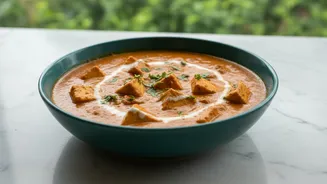
Certain foods, many of which are staples in Indian households, are particularly susceptible to contamination during the monsoon. Rice is a primary concern due to the Bacillus cereus risk. Other high-risk items include leafy green vegetables, which can trap dirt and pathogens that are hard to wash away, and pre-cut fruits and salads. Sauces, gravies, and meat or dairy-based dishes also provide a rich environment for bacterial growth and should be handled with care. Even street food, while tempting, becomes riskier. Raw chutneys and water used by vendors can easily become contaminated. It is safest to consume food that is cooked fresh and served hot.
Safe Storage is Your First Defence
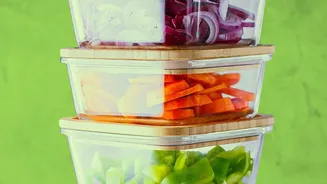
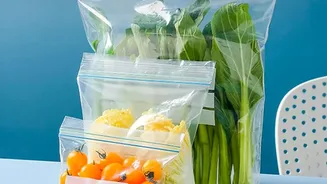
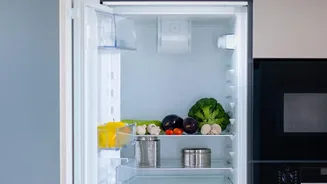
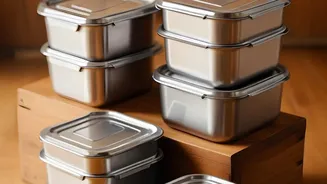
Proper storage is the most critical step in preventing foodborne illness from leftovers. The golden rule is the two-hour rule: refrigerate perishable foods within two hours of cooking. During the humid monsoon, it's wise to be even more prompt, aiming to cool and store food within an hour. To cool foods rapidly, divide large batches into smaller, shallow, airtight containers. Never leave a large pot of dal or curry on the counter to cool for hours. Ensure your refrigerator is set to 4°C or below. Store raw and cooked foods separately, using different containers and cutting boards to prevent cross-contamination.
How to Reheat Safely
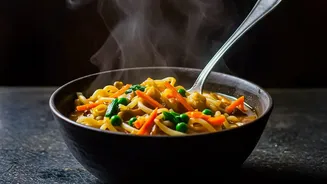
When you do reheat leftovers, your goal is to get them hot quickly and thoroughly. The food must reach a safe internal temperature of 74°C (165°F) to kill any harmful bacteria that may have developed during storage. Using a food thermometer is the only reliable way to be sure. When using a microwave, cover the food to retain moisture and ensure even heating, stirring it midway through. For liquids like soups and gravies, bring them to a rolling boil on the stovetop. It is generally advised not to reheat the same meal more than once, as each cycle of cooling and heating provides another opportunity for bacterial growth.