








What Exactly Is El Niño?
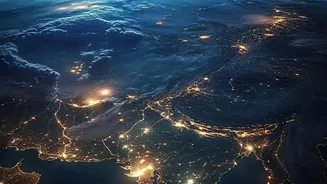
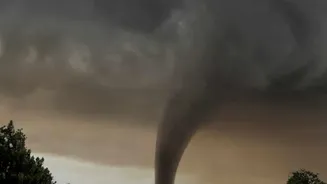
At its core, El Niño is a natural phenomenon characterized by the unusual warming of surface waters in the central and eastern Pacific Ocean. While it happens thousands of miles away, its effects are global. This oceanic heat alters atmospheric pressure
and disrupts typical weather patterns, including the vital Indian monsoon. Forecasts for 2026-2027 indicate a strong El Niño event is not just possible but likely, with experts warning it could persist through the winter and into early 2027. This has put the entire Indian subcontinent on high alert.
The Critical Monsoon Connection
India's economy and the livelihoods of hundreds of millions are intrinsically linked to the annual monsoon. El Niño's primary impact is its tendency to weaken these crucial seasonal rains. By altering wind patterns, it can lead to prolonged dry spells and a significant rainfall deficit across large parts of the country. As of September 2026, India is already on course for its driest monsoon in over a decade, with cumulative rainfall running about 15% below the long-term average. This shortfall directly threatens agriculture, the backbone of the rural economy.
From Farm Fields to Your Kitchen
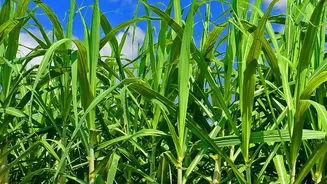
The most immediate and widespread impact of a weak monsoon is on agriculture. Nearly half of India's farmland is rain-fed, making it highly vulnerable. A rainfall deficit delays the sowing of key 'kharif' (summer) crops like rice, pulses, sugarcane, and cotton, and reduces their yield. This drop in agricultural production tightens food supply, which in turn drives up prices. Economists note that every percentage-point shortfall in rainfall can push food inflation higher, a cost felt most acutely by low-income households for whom food is a major expense. Items like vegetables, lentils, and cooking oils could all become more expensive.
Ripple Effects on Water and Power
The consequences of poor rainfall extend beyond the farm. Lower-than-normal precipitation means less water flows into the country's reservoirs. This impacts drinking water supplies for millions and also cripples hydropower generation, a key component of India's energy mix. When hydroelectric output falls, energy providers must rely more on expensive, often coal-based, power to meet demand. This not only increases emissions but can also translate into higher electricity bills for households and businesses already grappling with rising food costs. Farmers who rely on irrigation are also forced to spend more on diesel or electricity to pump groundwater, further squeezing their incomes.
The Strain on Your Household Budget
Ultimately, El Niño is not just a climate story; it's a household finance story. The combined effect of higher food prices and potentially higher energy costs directly reduces a family's purchasing power. If persistent food inflation forces the Reserve Bank of India to maintain or raise interest rates to manage the economy, it could keep borrowing costs for home and vehicle loans elevated. Furthermore, a stressed rural economy, where incomes fall due to poor harvests, leads to weaker demand for consumer goods, affecting industries from automobiles to fast-moving consumer goods (FMCG). This complex chain reaction, starting in the Pacific Ocean, finds its way to the balance sheet of ordinary Indian families.