

In a nostalgic Diwali video, Sonia Gandhi mentioned a family tradition of eating Kashmiri food, specifically a 'sweet rice'. This sparked curiosity nationwide, turning the spotlight on a lesser-known gem: Modur Pulav. But what exactly is this dish?
A Sweet Mention Goes Viral
In
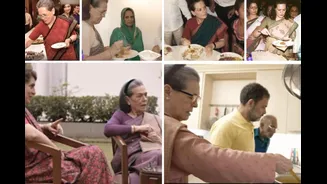
a video shared just before Diwali, Sonia Gandhi, along with her daughter Priyanka and granddaughter Miraya, reminisced about past celebrations at their former residence. While recalling decorations and fireworks, she mentioned a culinary tradition: on festivals, the family always enjoyed Kashmiri food, including a special 'sweet rice' that they still prepare. This brief, affectionate mention sent many viewers to their search engines, eager to learn more about this festive dish that holds a place in one of India's most well-known families.
What Is Modur Pulav?
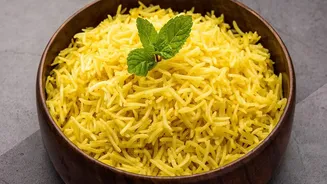
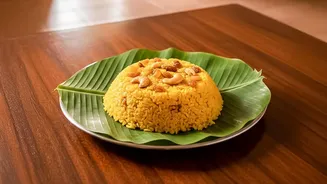
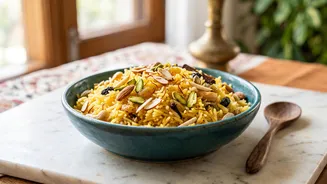
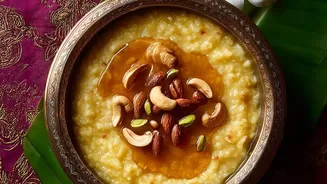
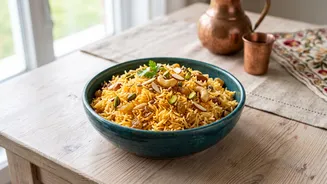
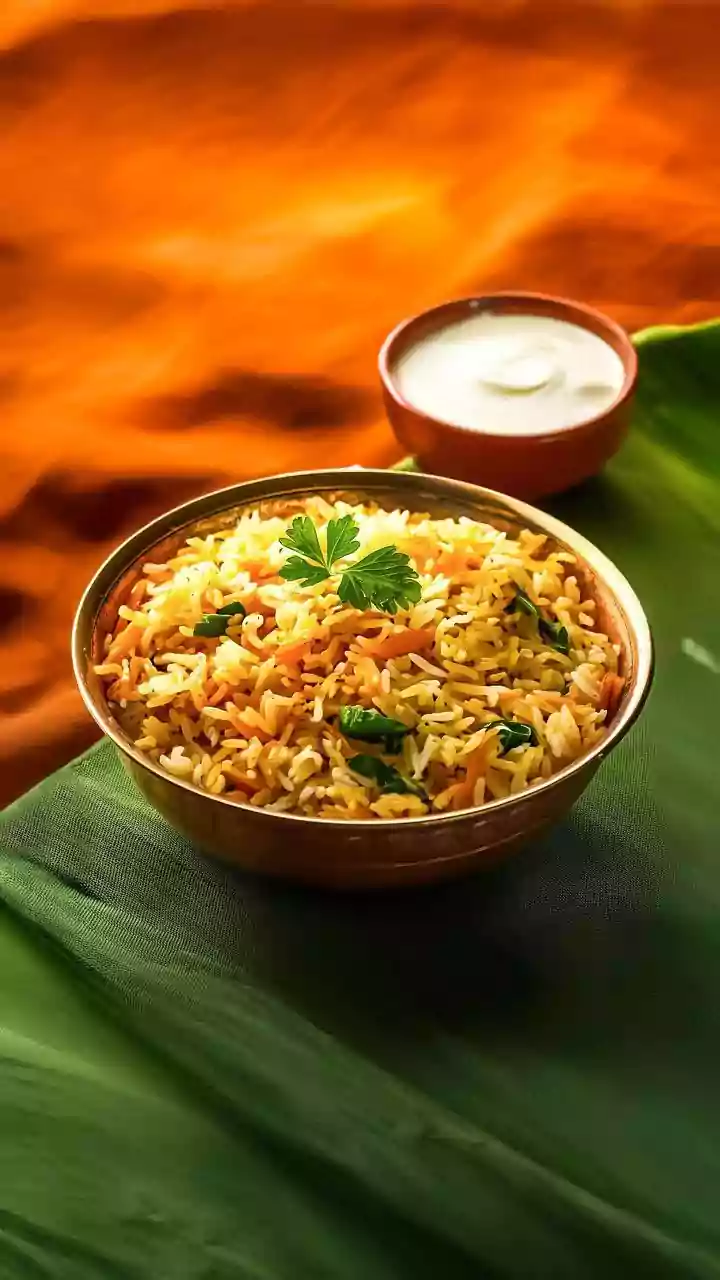
Modur Pulav is a traditional sweet rice dish from the heart of Kashmir. The name itself is a giveaway, as 'Modur' means 'sweet' in the Kashmiri language. Unlike the savoury pulaos common across India, this version is a fragrant, celebratory dish tinted with a golden hue from precious saffron. It is not quite a dessert but occupies a unique space in a festive meal. Made with long-grain basmati rice, it is a rich concoction loaded with nuts and aromatic spices, all bound together with ghee and a delicate sweetness.
A Symphony of Flavours and Aromas
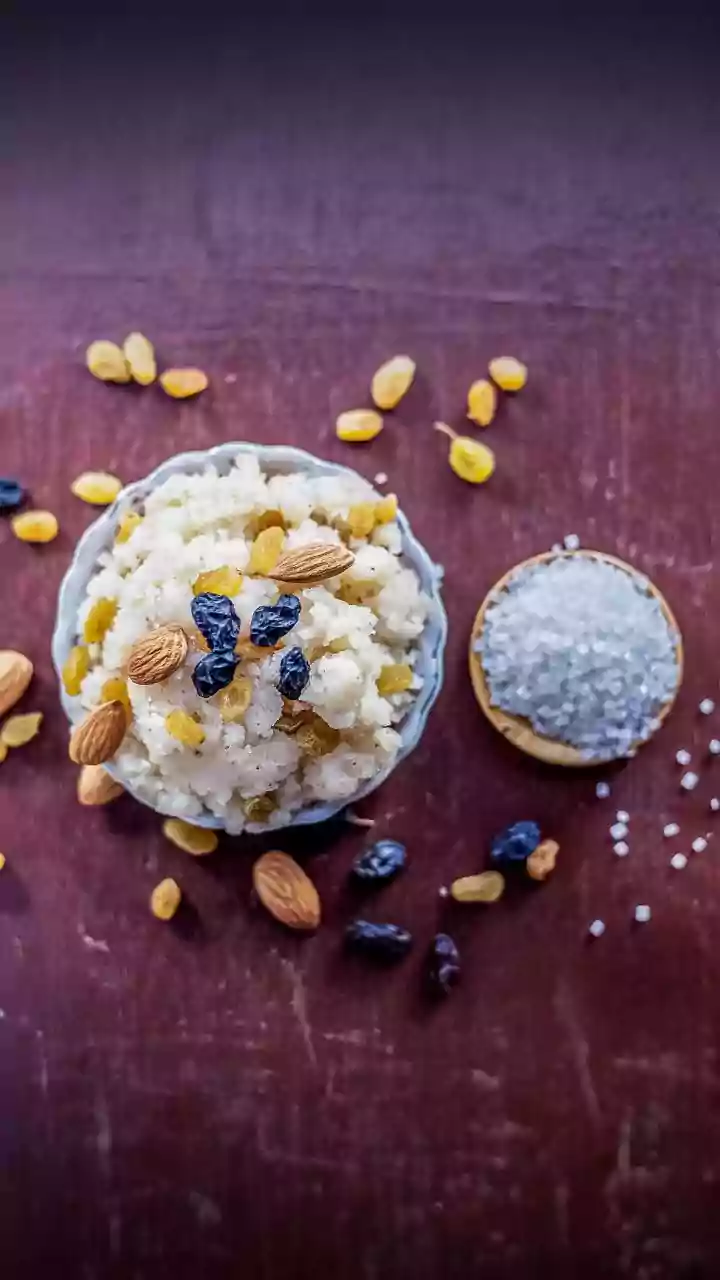
The magic of Modur Pulav lies in its balance of ingredients. The primary flavour profile is sweet, but it is layered with complexity. A generous amount of ghee forms the base, in which whole spices like cinnamon, green cardamom, and cloves release their warm, fragrant oils. The sweetness comes from sugar, which is carefully dissolved to coat the rice grains. The dish is famous for its liberal use of dry fruits and nuts, including almonds, cashews, raisins, and sometimes even dried dates or coconut, which are toasted in ghee to add a delightful crunch and richness. Finally, strands of Kashmiri saffron, soaked in milk or water, impart their signature colour and unmistakable aroma.
The Art of Getting It Just Right
Preparing Modur Pulav is an art of patience. The basmati rice is typically soaked and then partially cooked before being combined with the other ingredients. This ensures the long grains remain intact and don't turn mushy. The sugar is often dissolved into a syrup before the rice is added, allowing for an even distribution of sweetness. Many traditional preparations involve the 'dum' method, where the pot is sealed and the pulav is slow-cooked on a low flame. This technique allows the rice to absorb all the fragrant, sweet steam, making every grain flavourful and fluffy.
A Dish Steeped in Celebration
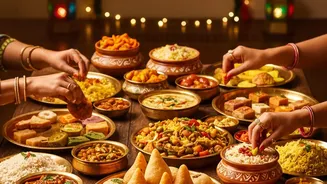
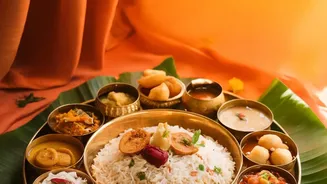
Modur Pulav is more than just food; it's a symbol of hospitality, prosperity, and celebration in Kashmiri culture, enjoyed by both Pandit and Muslim communities. It is a staple at weddings, major festivals, and special family gatherings. While not always part of the formal Wazwan multi-course meal, its presence on a dining table signifies a joyous occasion. Served warm, its sweetness is often intended to provide a pleasant contrast to the spicier dishes in a larger feast, showcasing the diverse palette of Kashmiri cuisine.