



1. Edit Your Surfaces
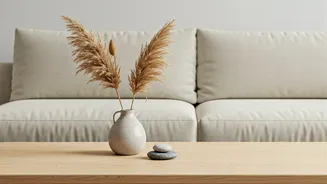
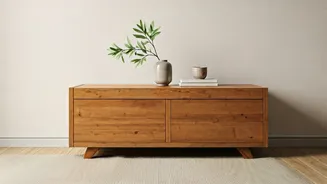
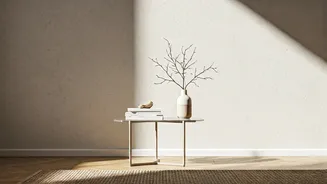
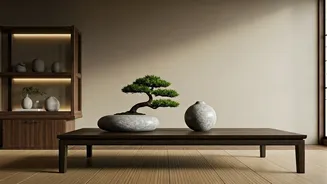
Before you start emptying closets, focus on what you see every day: your surfaces. Countertops, coffee tables, nightstands, and desks are magnets for clutter. The single most impactful small change you can make is to clear them almost completely. This
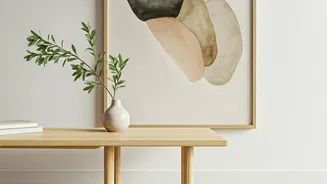
doesn't mean they must be barren. The rule is to leave only items that are either beautiful or truly essential for daily use. A cluttered countertop with a mail pile, keys, and loose change feels chaotic. A countertop with only a beautiful wooden cutting board and a small plant feels intentional and calm. Apply this edit to every flat surface in your home. It takes less than an hour but instantly makes your space feel more open and curated.
2. Define a Strict Three-Color Palette
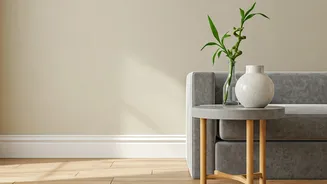
Visual noise is the enemy of minimalism. One of the fastest ways to reduce it is by committing to a tight color palette. You don’t have to paint your entire home white. Instead, choose three complementary colors and apply them ruthlessly. A common minimalist trio is a neutral base (like soft white or warm gray), a secondary neutral (like charcoal or beige), and a single accent color (such as olive green, terracotta, or navy). Once you have your palette, use it as a guide for everything from throw pillows and blankets to dishware and wall art. This simple constraint creates a powerful sense of cohesion and sophistication, making the entire home feel like a single, thoughtfully designed space.
3. Unify Your Storage
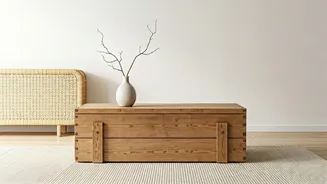
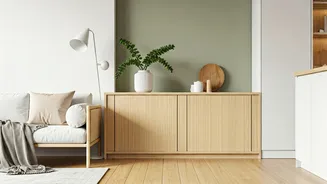
Minimalism isn’t about owning nothing; it’s about hiding the things you don't want to see. The trick is to make your storage disappear. Instead of having a random assortment of plastic bins, mismatched baskets, and open shelving, invest in unified storage solutions. This could mean a set of identical woven baskets for a bookshelf, a series of sleek, handle-free cabinets along a wall, or under-bed storage boxes in the same color. When storage containers match each other and blend with the room's decor, they stop looking like clutter themselves. They become a quiet, architectural element that conceals the necessary mess of daily life, leaving your eye to rest on the clean lines of the room.
4. Master Negative Space
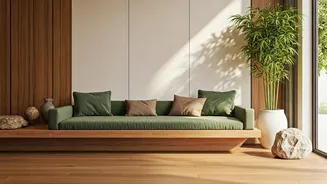
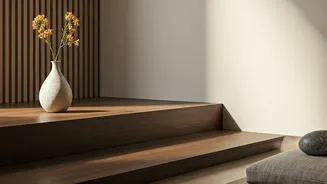
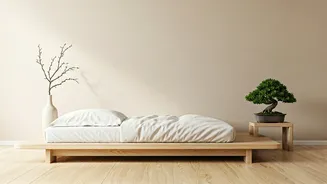
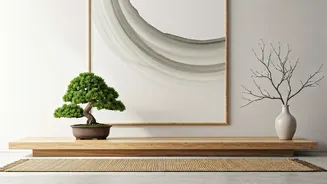
In minimalist design, the empty space is just as important as the objects in it. Americans are often taught to fill every corner and cover every wall. To create a stunning minimalist effect, do the opposite. Think of walls, floors, and surfaces as canvases that need room to breathe. Instead of a gallery wall with a dozen small frames, hang one large, impactful piece of art. Instead of filling a corner with a floor lamp, a plant, and a side table, choose just one. This practice, known as creating “negative space,” allows the items you *do* have to stand out and be appreciated. It draws attention to the quality of your furniture and the architecture of the room itself.
5. Let There Be (Unobstructed) Light
Natural light is a minimalist’s best friend. It makes spaces feel larger, cleaner, and more serene. A small but transformative change is to optimize your windows. Swap out heavy, dark, or patterned curtains for simple, sheer linen drapes that diffuse light beautifully without blocking it. If you need privacy, opt for clean-lined shades that can be pulled up completely during the day. Another trick is to place a large, simple mirror on the wall opposite a window. It will bounce light around the room, effectively doubling your source of brightness. Keeping windowsills clear of clutter also ensures that the maximum amount of daylight can pour in, making even a small room feel airy and expansive.