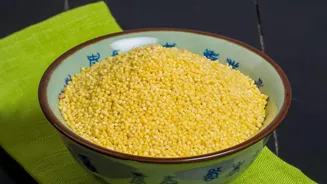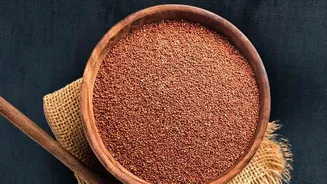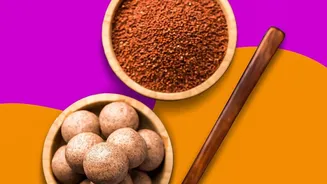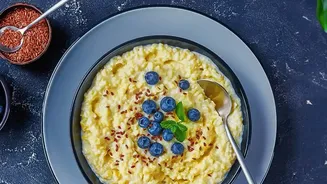





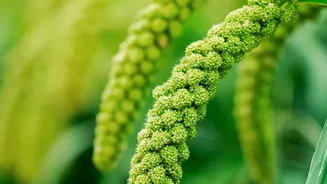

Walk down any supermarket aisle, and you'll see something new next to the usual chips and noodles: millet puffs, ragi pasta, and jowar cookies. This isn't just a fleeting trend; it's a conscious shift by health-aware families across India.
A Nutritional Powerhouse Returns
For generations,
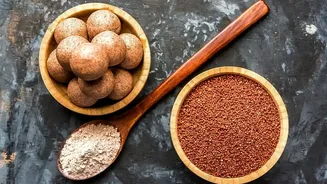
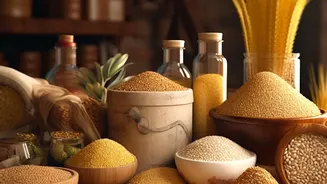
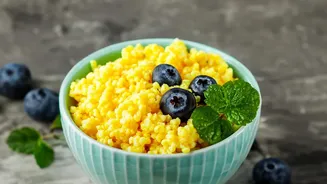
millets like ragi, jowar, and bajra were staples in Indian kitchens before refined grains took over. Now, families are rediscovering them, and for good reason. Millets are nutritional powerhouses, packed with more dietary fibre, iron, calcium, and zinc than refined wheat or rice. Unlike maida (refined flour), which is mostly starch, millets are whole grains that retain their bran and germ, where all the goodness is stored. For growing children, this translates to tangible benefits. Ragi, for instance, contains more calcium per gram than milk, which is crucial for developing strong bones. Bajra is a leader in iron, helping combat deficiencies that are common among Indian children and vital for concentration and brain development.
Making Healthy Eating Convenient
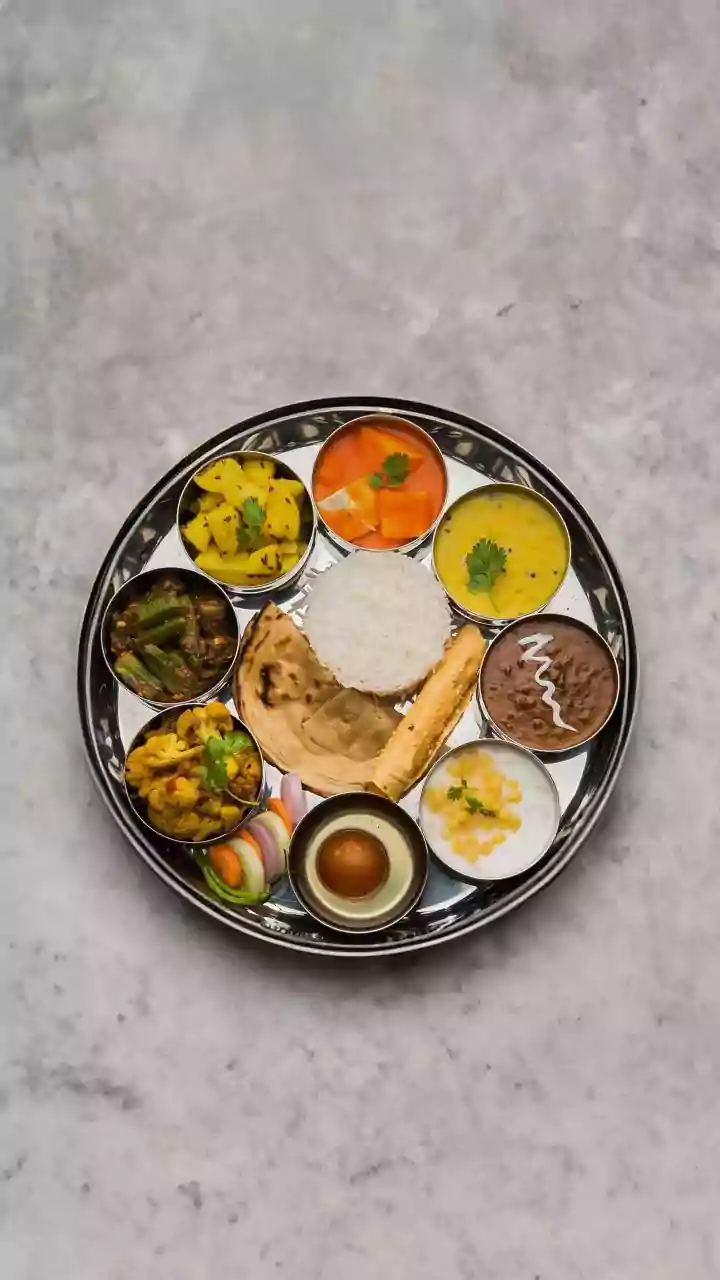
One of the biggest drivers of this trend is sheer convenience. In today's fast-paced world, parents are constantly looking for quick, nutritious, and kid-friendly meal options. While traditional millet preparations can be time-consuming, ready-to-eat formats like pastas, noodles, and crunchy snacks have changed the game. These products offer a simple swap. A child who loves pasta might not even notice the difference when served a bowl of millet pasta, which looks and cooks just like the regular kind. This allows parents to easily incorporate the benefits of millets into their family's diet without resistance from picky eaters, turning a favourite treat into a genuinely healthy meal.
Managing Health, One Bite at a Time
The rise of lifestyle diseases like diabetes and obesity is a growing concern for many Indian families. Here, millets offer a significant advantage due to their low Glycemic Index (GI). Unlike high-GI foods like those made from maida that cause a rapid spike in blood sugar, millets release energy slowly and steadily. This prevents the dreaded post-lunch slump and helps in managing blood sugar levels, making millet-based foods a smart choice for everyone, not just those with diabetes. The high fibre content also aids digestion, promotes gut health, and helps with weight management by making you feel full for longer.
A Nationwide Push for a Super Grain
The renewed interest in millets is also backed by a strong push from the government and food innovators. The UN's declaration of 2023 as the 'International Year of Millets', heavily promoted by India, created massive awareness. This spurred a wave of innovation, with food startups and established brands alike launching new product lines. The market is now filled with an exciting variety of millet_based products, from breakfast cereals and ready_to_cook meals to savoury puffs and even indulgent brownies. This increased availability in supermarkets and online stores has made it easier than ever for families to access and experiment with these ancient grains.
Kid_Friendly Formats and Modern Flavours
Ultimately,_for_any_food_to_become_a_family_favourite,_it_needs_to_taste_good._Today's millet snacks are a far cry from bland health food._Brands are innovating with modern,_exciting flavours like peri–peri,_cheese,_and classic masala that appeal to contemporary palates._Furthermore,_they are presented in fun,_kid–friendly formats like star–shaped crunchies,_making healthy eating a delightful experience rather than a chore._By transforming these nutrient–dense grains into familiar and beloved forms like pasta and snacks,_the food industry has successfully bridged the gap between tradition and modern family life,_making millets a staple once again.