



The Rise of Tactile, Natural Decor
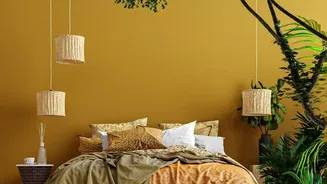
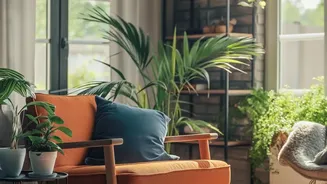
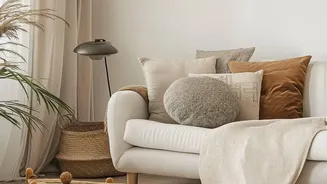
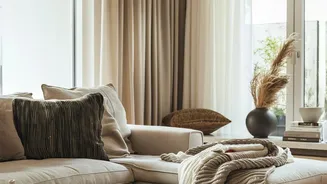
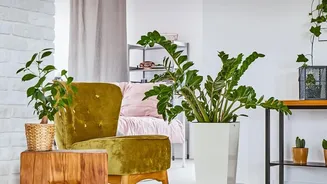
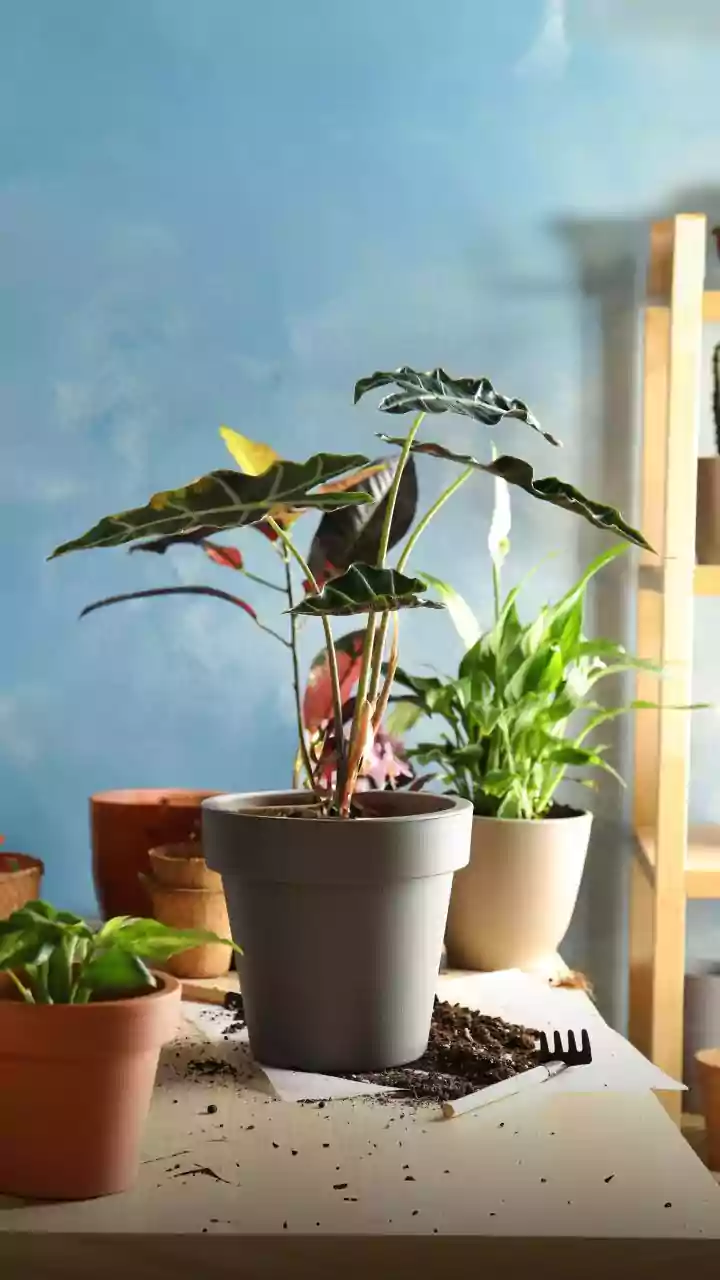
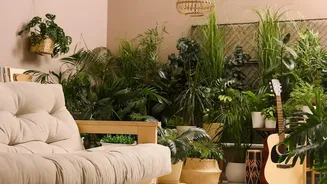
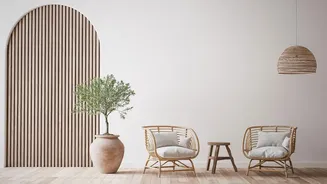
The latest wave in home design is all about connection to the natural world. Known as biophilic design, this trend involves bringing the outdoors in, not just with plants, but with materials that evoke a sense of earthy calm. Homeowners are increasingly
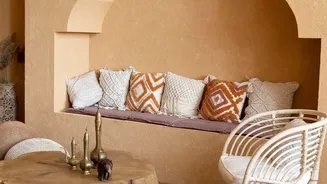
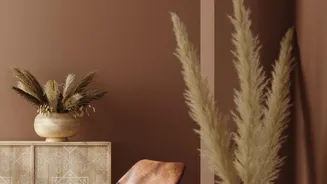
choosing decor made from jute, rattan, and seagrass, laying down wool rugs, and celebrating the imperfections of reclaimed wood. Even walls are getting a textural makeover with finishes like limewash and clay plaster. This move towards sustainable, handcrafted, and natural elements creates spaces that feel both aesthetically pleasing and environmentally responsible. These materials are celebrated for their raw beauty and lower environmental impact compared to synthetic alternatives. The result is a home that feels like a sanctuary—warm, inviting, and deeply personal.
Why Your Green Home Can Be a Dust Magnet
There's a hidden side to all this natural texture: dust. Many of these beautiful, sustainable materials are particularly good at trapping and sometimes even creating dust. Dust itself is a mix of things like shed skin cells, pollen, soil particles brought in from outside, and tiny fibers from textiles. Unlike smooth, glossy surfaces, the porous and uneven textures of materials like raw wood, woven fibers, and plaster provide countless nooks and crannies for these airborne particles to settle into. Furthermore, natural fibers, especially in new rugs made of materials like jute or wool, have a tendency to shed. This shedding creates a fine dust that can accumulate under and around the item. So while your decor choices are healthy for the planet, they inadvertently create a perfect environment for dust to call home.
Rethinking Your Cleaning Strategy
The solution isn't to abandon this beautiful, sustainable aesthetic. It’s about adapting your cleaning habits to match your decor. An increase in dust simply means your cleaning routine needs to be more mindful and specific to the materials in your home. Instead of a one-size-fits-all approach, think of cleaning as part of the new, natural ecosystem you've created. It requires a gentle but consistent touch. The key is to shift from aggressive deep cleans to more frequent, lighter maintenance. This prevents the significant build-up that can make dusting feel like a monumental chore and keeps your natural decor looking its best.
Smart Dusting for Natural Surfaces
Different textures require different tools. For natural fiber rugs like jute or sisal, regular vacuuming with a suction-only attachment is crucial. A beater bar can be too harsh and damage the fibers. Shaking smaller rugs outdoors is also an effective way to dislodge deep-seated dirt and dust. For textured walls like limewash or plaster, a soft-bristle brush or the dusting brush attachment on your vacuum can gently lift particles without scuffing the surface. For unfinished or reclaimed wood, a dry microfiber cloth is your best friend, as it uses static to attract and hold onto dust particles. When spills happen on natural rugs, it's vital to blot the area immediately rather than rubbing, which can push the spill deeper into the fibers. For tougher spots, a simple solution of mild dish soap and water, used sparingly, is often sufficient.
Beyond Dusting: Reducing Airborne Particles
A proactive approach can significantly reduce the amount of dusting you need to do. Since a large percentage of household dust comes from outdoors, using heavy-duty doormats and adopting a shoes-off policy can make a big difference. An air purifier with a HEPA filter is another excellent investment, as it traps tiny airborne particles before they have a chance to settle on your beautiful decor. Regularly cleaning or replacing the filters in your heating and cooling systems is also key to improving indoor air quality. Finally, keeping humidity levels in your home between 40-50% can help, as dust particles are more likely to cling to surfaces in very dry air. These steps work together to create a cleaner, healthier environment for both you and your sustainable furnishings.