





A Return to Traditional Methods
For years, the cooking oil aisle has been dominated by clear, neutral-tasting refined oils. But a quiet revolution is taking place. Driven by a growing awareness of what goes into their food, consumers are increasingly seeking out oils that are less processed
and more natural. This has led to the resurgence of traditional oils like sesame, groundnut, and mustard, made the old-fashioned way. Central to this trend is the revival of 'kachi ghani' or 'chekku', the wood-pressing technique that has been a part of Indian culinary heritage for thousands of years. Unlike mass-market oils, which often undergo high-heat treatment and chemical processing, wood-pressed oils are valued for their minimal processing, which proponents say keeps their natural goodness intact.
What Exactly is Wood-Pressed Oil?
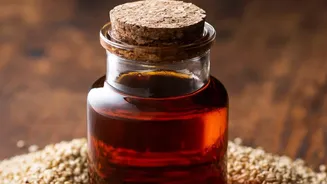
The term 'wood-pressed' refers to a traditional method of oil extraction where seeds are crushed to release their oil. This process uses a large wooden mortar and pestle, known as a 'ghani'. As the wooden pestle rotates, it crushes the sesame seeds at a very low speed, generating minimal heat. This low-temperature process is crucial because high heat can destroy sensitive nutrients and alter the oil's chemical structure. The result is a pure, unrefined oil that is then left to settle before being filtered. This method stands in stark contrast to modern industrial extraction, which often uses high temperatures and chemical solvents like hexane to maximize yield, followed by refining, bleaching, and deodorizing processes that strip the oil of its natural colour, aroma, and many of its beneficial compounds.
The Nutritional Advantage
The primary reason for the shift towards wood-pressed sesame oil is its superior nutritional profile. The gentle, low-heat extraction helps preserve important nutrients that are often lost during industrial refining. Wood-pressed sesame oil is rich in polyunsaturated and monounsaturated fats, particularly omega-6 fatty acids, which are beneficial for heart health. More importantly, it retains powerful antioxidants like sesamol and sesamin, compounds unique to sesame that have anti-inflammatory properties and help fight oxidative stress in the body. It is also a good source of Vitamin E, another potent antioxidant, and contains minerals like zinc, copper, and calcium that support everything from bone health to immune function.
Flavour, Aroma, and Culinary Use
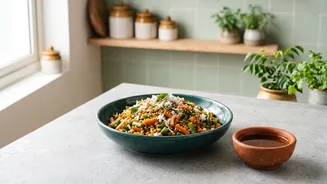
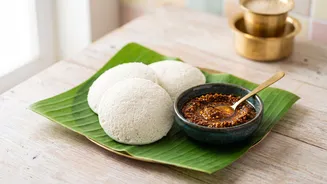
Beyond the health benefits, flavour is a key driver of this trend. Wood-pressed sesame oil has a distinct, rich, and nutty aroma that is worlds away from the blandness of refined oils. This authentic taste can significantly enhance a variety of dishes. Known as 'gingelly oil' or 'til ka tel', it's a staple in many South Indian cuisines, used for tempering dals, making chutneys, and preparing rice dishes. Its relatively high smoke point makes it suitable for sautéing and light frying. The robust flavour also means a little goes a long way, making it a flavourful finishing oil to drizzle over finished meals or incorporate into salad dressings for a nutty kick. It imparts a traditional taste that many feel has been missing from modern cooking.
How to Choose and Store Your Oil
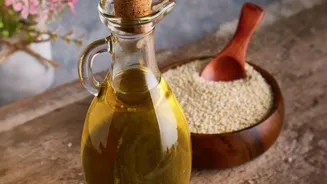
As you explore this healthier option, look for labels that explicitly state 'wood-pressed', 'cold-pressed', 'kachi ghani', or 'chekku'. The oil should have a golden-brown colour and a distinct, pleasant sesame aroma. Because it is unrefined and free from preservatives, wood-pressed oil has a shorter shelf life than its industrial counterparts. To maintain its freshness and nutritional integrity, it's best to buy it in smaller quantities and store it in a cool, dark place, away from direct sunlight and heat, which can degrade the oil's quality. While it may be priced higher than refined oils due to its lower yield and more labour-intensive production process, many consumers find the investment in their health and the superior flavour to be worthwhile.