








The Science of Feeling Full
Satiety is the feeling of fullness and satisfaction that tells your brain to stop eating. This complex process is influenced by the nutritional composition of your food. Three key components are particularly effective at promoting satiety: fiber, protein,
and complex carbohydrates. Fiber adds bulk to your meals and slows down digestion, helping you feel full for longer. Protein is widely recognized as the most satiating macronutrient, helping to regulate appetite hormones. Complex carbohydrates, found in whole grains, provide a slow and steady release of energy, preventing the blood sugar spikes and crashes that can lead to cravings.
Beans and Legumes: The Satiety Powerhouses
Beans and other legumes like lentils and chickpeas are nutritional champions when it comes to satiety. They offer a powerful combination of both plant-based protein and high fiber content. This duo works together to slow digestion and stabilize blood sugar levels, keeping hunger at bay for hours. In fact, studies have shown that protein-rich meals based on beans and peas can be more satiating than meat-based meals. One study found that even with less protein, a meal of beans was as satisfying as a higher-protein meat meal, likely due to the high fiber content. Incorporating them is easy: add a can of rinsed black beans to your soup or chili, toss chickpeas into a salad, or make a lentil curry the star of your dinner.
Greens: High-Volume, Low-Calorie Fillers
Leafy greens like spinach, kale, and arugula are incredibly nutrient-dense but low in calories. Their secret to promoting fullness lies in the volume and fiber they add to a meal. Filling a large portion of your plate with greens adds bulk, which physically stretches the stomach and signals to your brain that you are full. This allows you to feel satisfied while consuming fewer calories. Getting more greens into your diet can be simple. Add a large handful of spinach to your morning eggs or smoothie, use sturdy collard leaves as a wrap for sandwiches, or simply make a habit of having a side salad with your lunch and dinner.
Whole Grains: The Slow-Burn Energy Source
Unlike refined grains (like white bread and white rice) which are stripped of their bran and germ, whole grains contain all three parts of the kernel. This means they retain their fiber, vitamins, and minerals. The high fiber content in whole grains like oats, quinoa, barley, and brown rice slows down the absorption of carbohydrates. This leads to a more gradual increase in blood sugar and a sustained release of energy, preventing sharp energy crashes and subsequent hunger. Studies suggest that people who eat more whole grains tend to have a lower body weight, partly because these foods increase feelings of fullness. Simple swaps can make a big impact: start your day with oatmeal, choose whole-wheat bread for sandwiches, or substitute brown rice or quinoa for white rice in your favorite dishes.
Putting It All Together
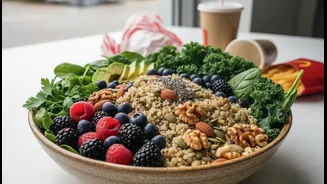
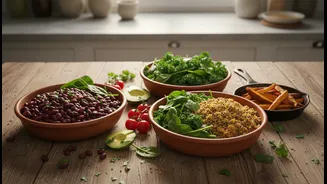
The most effective way to boost satiety is to combine these food groups. Think of your plate as a template for a 'grain, green, and bean' meal. This simple framework ensures you get a balanced mix of fiber, protein, and complex carbs. For example, you could create a bowl with a base of quinoa (grain), topped with roasted broccoli (green), and black beans (legume). Another option is a hearty soup with barley, kale, and white beans. Even snacks can be optimized for satiety; try roasted chickpeas for a crunchy treat or whole-grain crackers with hummus, a dip made from chickpeas. By focusing on these food groups, you build meals that are not only nutritious but also deeply satisfying, helping you manage your appetite naturally.