





The Evolution from BS-VI to BS-VII
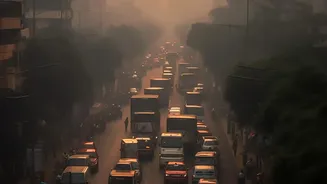
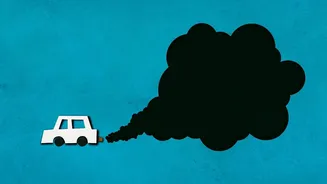
India implemented the Bharat Stage VI (BS-VI) norms in April 2020, a significant step that tightened limits on pollutants like nitrogen oxides (NOx) and particulate matter (PM). It also introduced Real Driving Emissions (RDE) testing, which began the process
of measuring a car's emissions on actual roads, not just in a controlled lab environment. The proposed BS-VII rules, slated for a phased rollout starting with passenger cars on April 1, 2029, aim to build on this foundation. While some core tailpipe emission limits for pollutants like NOx and PM remain similar to BS-VI, the new proposal fundamentally changes how compliance is measured and monitored throughout a vehicle's life.
Beyond the Tailpipe: A New Era of Testing
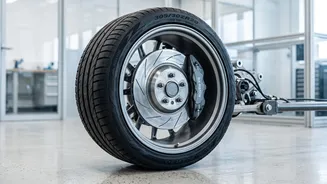
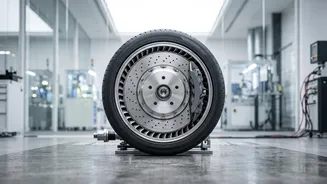
The most significant change in the proposed BS-VII framework is its focus on non-exhaust emissions. For the first time, pollution from brake dust and tyre abrasion will be regulated. These sources generate particulate matter even on electric vehicles, which have no tailpipe emissions. The draft rules propose limits on brake-particle mass starting from April 2031. Furthermore, the regulations will strengthen Real Driving Emissions (RDE) testing. By 2030, vehicles will be tested with a 'conformity factor' of 1.0, meaning their real-world emissions on the road must match the strict limits set in the laboratory, removing any previous leniency.
On-Board Monitoring and a Vehicle 'Passport'
Under the new proposals, vehicles will be required to have sophisticated On-Board Monitoring (OBM) systems. These systems will continuously track emissions like NOx and particulate matter, and can even detect when emissions exceed the legal limits by a certain margin. The data is intended to be more accessible, with proposals for it to be available via the vehicle's OBD port and eventually transmitted over-the-air. To increase transparency for consumers, the draft also suggests an 'Environmental Vehicle Passport'. This document would provide clear, accessible data on a vehicle's emissions, fuel economy, and battery health at the point of sale.
What About Electric Vehicles?
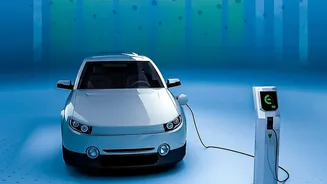
While EVs are central to cleaning up tailpipe emissions, the BS-VII proposal acknowledges their environmental footprint. The new rules will regulate brake and tyre particle emissions from EVs. More importantly, they introduce durability standards for traction batteries. The draft suggests that EV and plug-in hybrid batteries must retain at least 75% of their original capacity after five years or 100,000 km, and 67% after eight years or 160,000 km. This measure is designed to ensure the long-term reliability and sustainability of electric vehicles, reducing the environmental impact of battery degradation and replacement.
What This Means for Automakers and Car Buyers
For automakers, the BS-VII norms present significant engineering challenges and will require substantial investment in advanced emission control systems, new sensors, and more durable components. Industry executives have noted the timeline is tight and could impact product development. For consumers, this technological shift will likely translate into higher vehicle prices. However, the regulations also promise more robust and cleaner vehicles that remain compliant for longer. The proposed rules mandate emissions compliance for up to 200,000 km or 10 years for passenger cars, offering greater assurance of a vehicle's long-term environmental performance.