

The Joy of Fewer Dishes
The most celebrated benefit of any one-pan meal is obvious: minimal cleanup. After a long day, the prospect of scrubbing multiple pots, pans, and cutting boards can be enough to make anyone reach for a takeaway menu. By containing the entire meal to a single
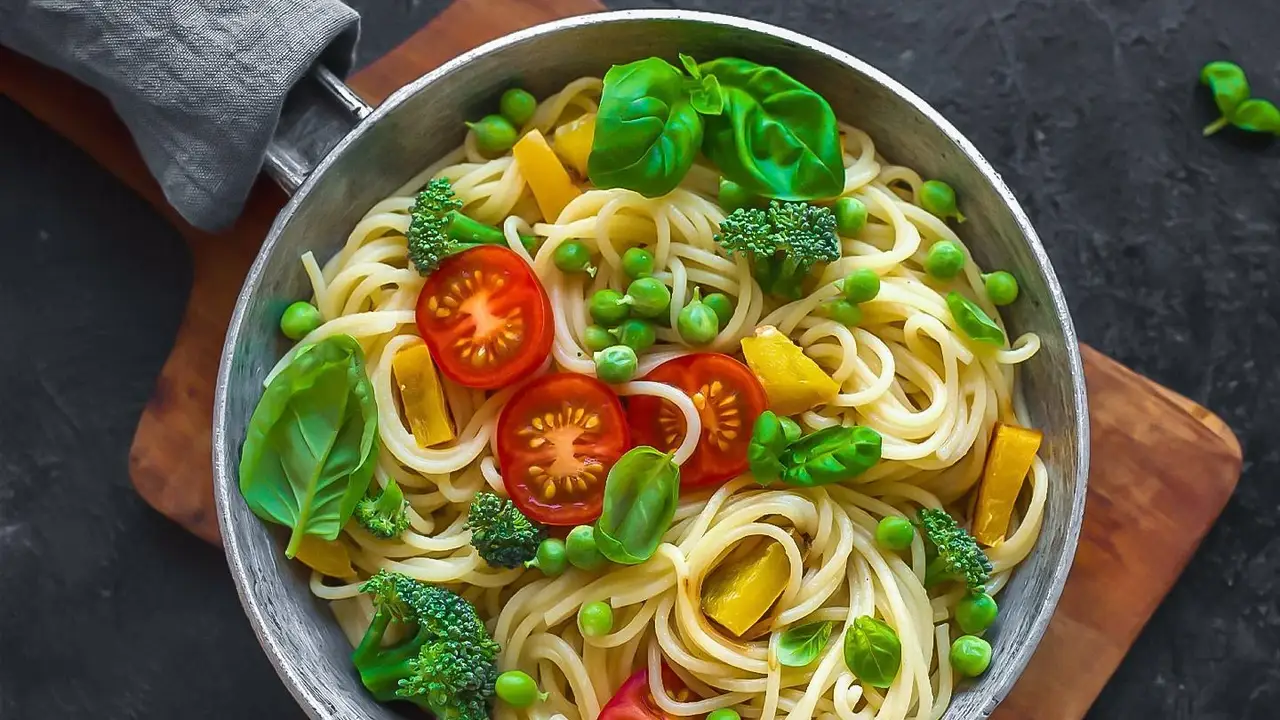
vessel, you dramatically reduce the time spent at the sink. This isn't just about saving a few minutes; it’s about lowering the barrier to entry for a home-cooked meal. For those incorporating more plant-based foods, this simplicity is a game-changer. It transforms what might seem like a complex assortment of vegetables and proteins into a manageable, streamlined process from prep to table. This makes consistent, healthy eating feel less like a chore and more like a sustainable habit.
Building Flavour in a Single Layer
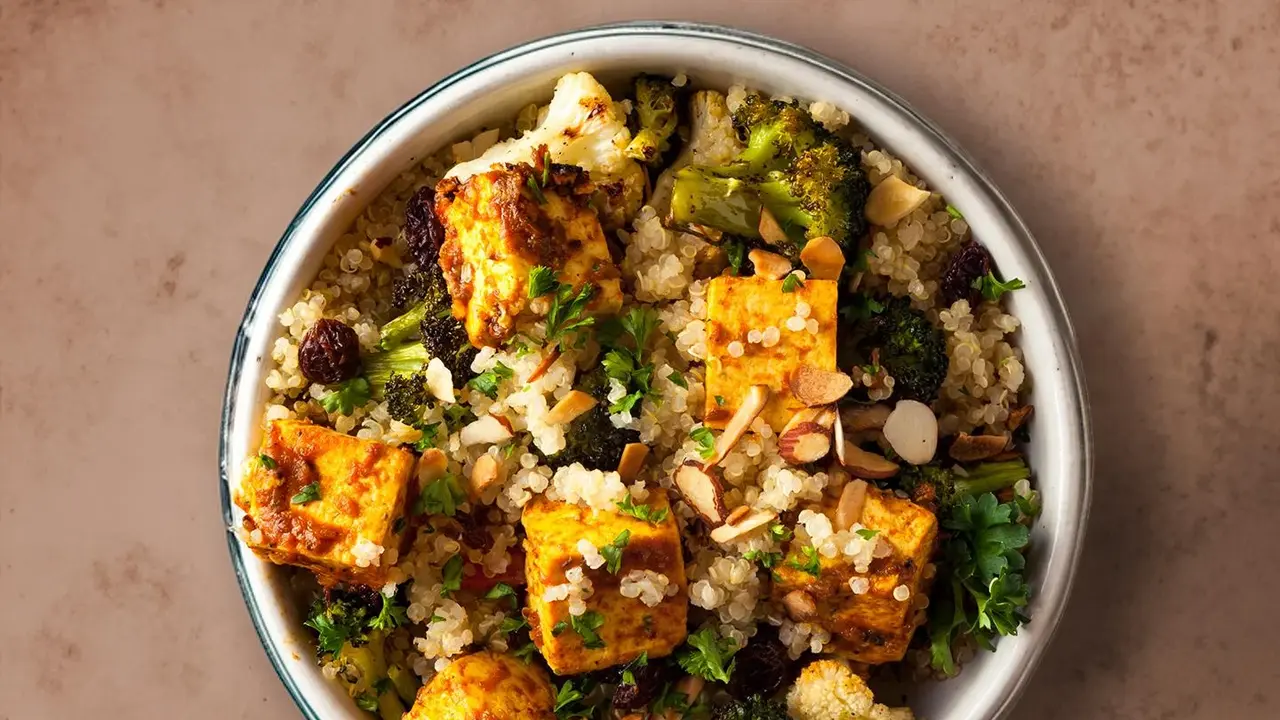
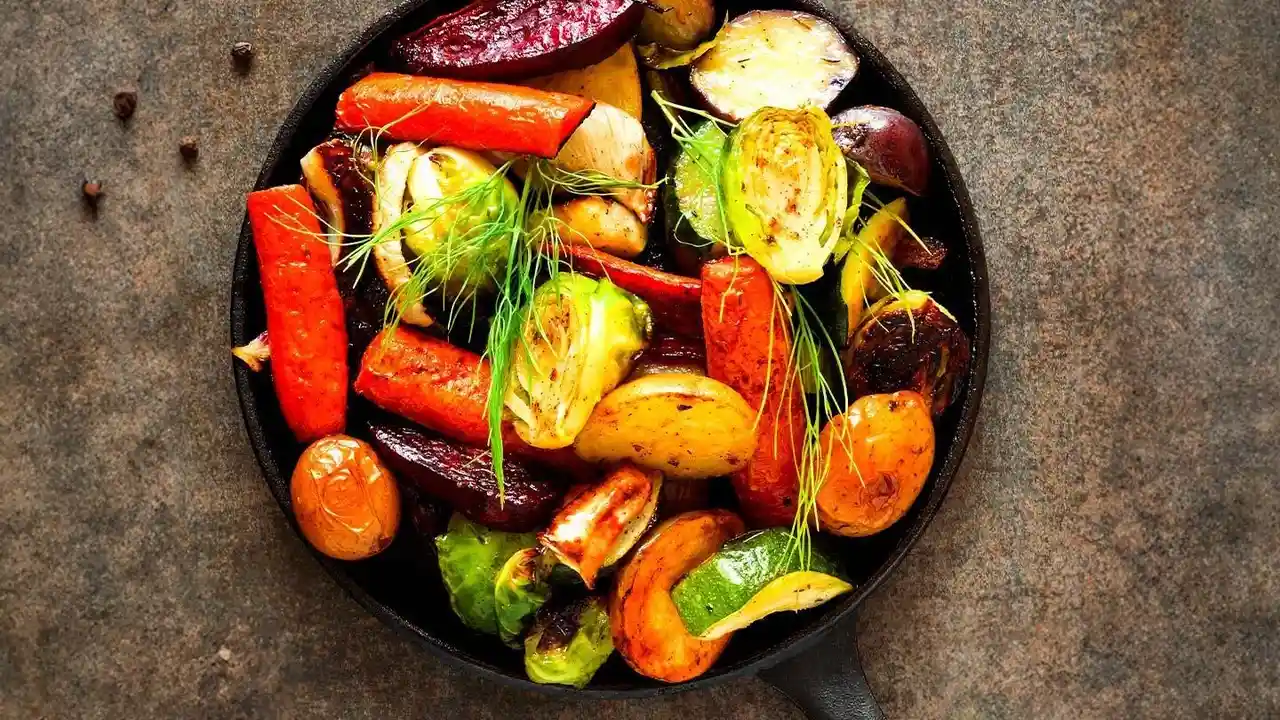
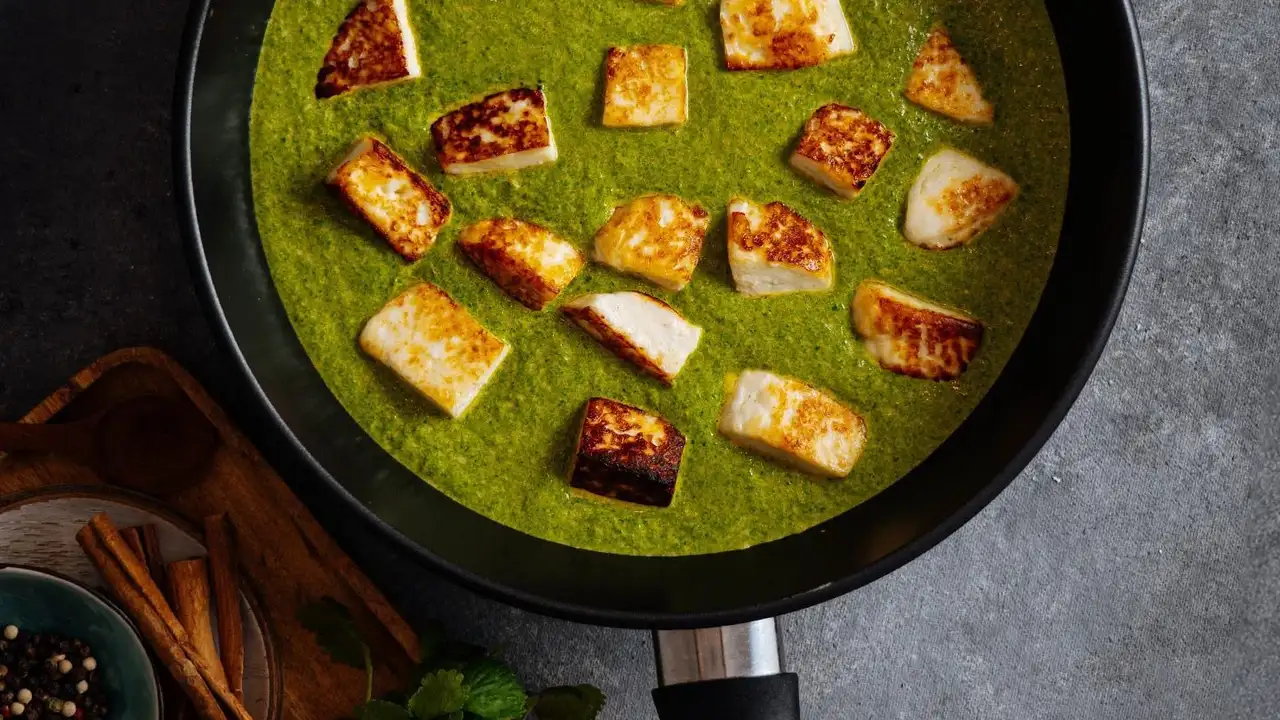
Practicality isn't just about cleanup; it's also about taste. One of the secrets to a great vegetarian dish is developing deep, complex flavours, and the one-pan method excels at this. As vegetables, proteins, and seasonings roast or simmer together, their flavours meld in a way that is difficult to replicate when cooked separately. Vegetables release their natural sugars, leading to delicious caramelization. Spices toast, aromatics like garlic and onion infuse the oil, and everything gets coated in a shared sauce. This is particularly effective for plant-based ingredients like tofu, tempeh, or chickpeas, which are brilliant at absorbing the flavours around them. The result is a dish where every component tastes like a more concentrated version of itself, creating a cohesive and deeply satisfying meal.
Mastering the One-Pan Technique
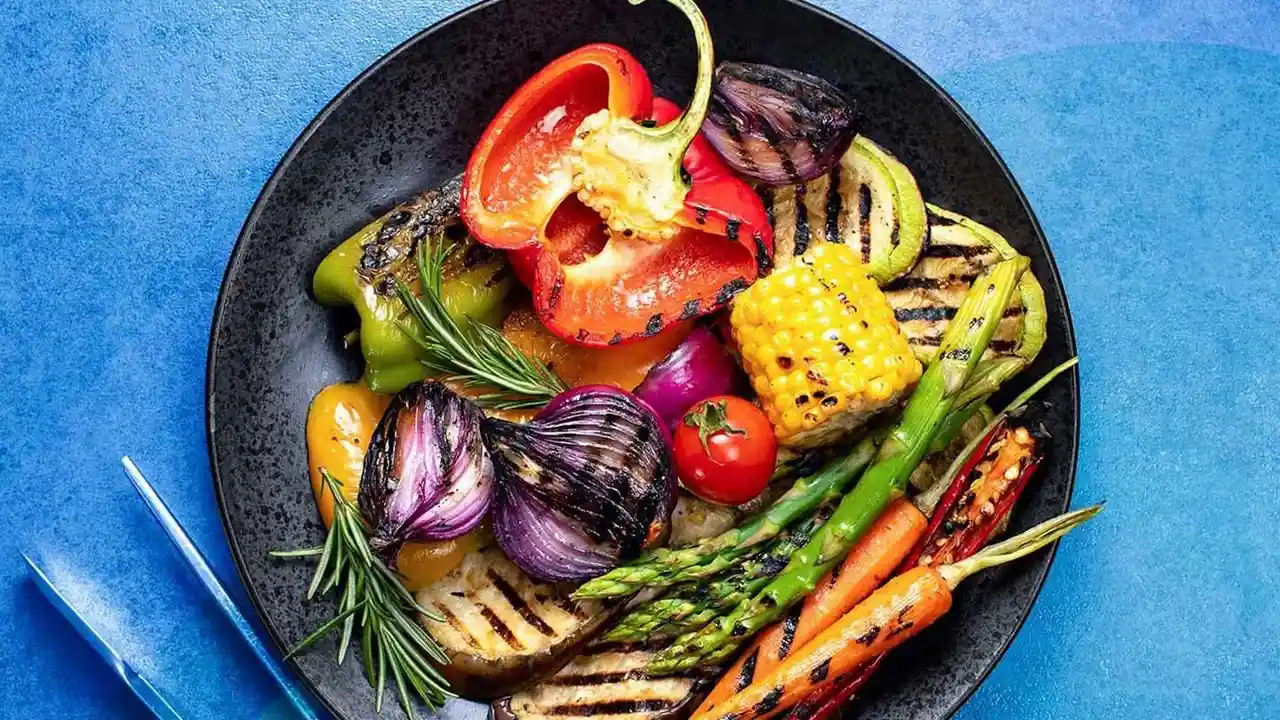
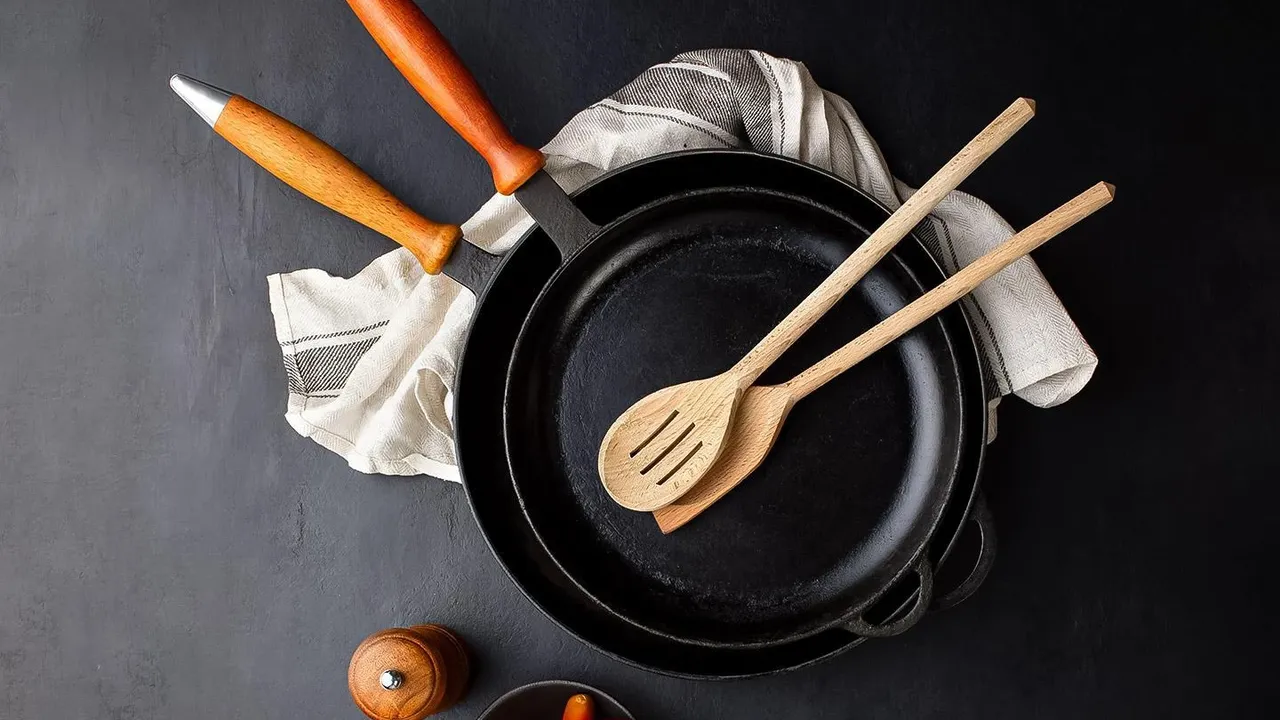
While the concept is simple, a few key techniques separate a perfectly cooked one-pan dinner from a disappointing one. First, choose the right pan—a heavy-duty, rimmed baking sheet is ideal for roasting. Second, don't overcrowd the pan. Vegetables release steam as they cook; giving them space allows them to roast and brown rather than turning soft and soggy. If necessary, use two pans. Third, manage your cooking times. Hard vegetables like potatoes and carrots need a head start, while softer ones like bell peppers, zucchini, and broccoli can be added later. Cut denser vegetables into smaller pieces to help them cook at the same rate as quicker-cooking items. Finally, don't be shy with oil and seasoning. Tossing your ingredients in oil beforehand ensures an even coating for better browning and flavour distribution.
A Simple Formula for Success
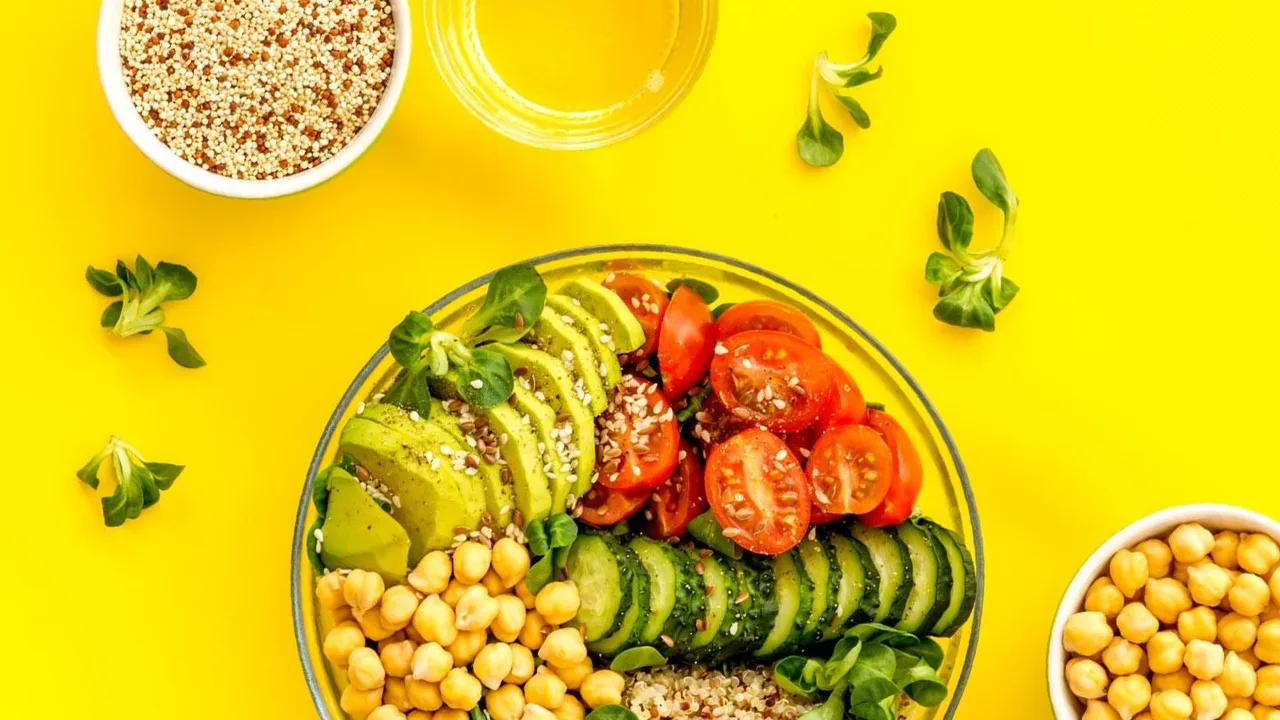
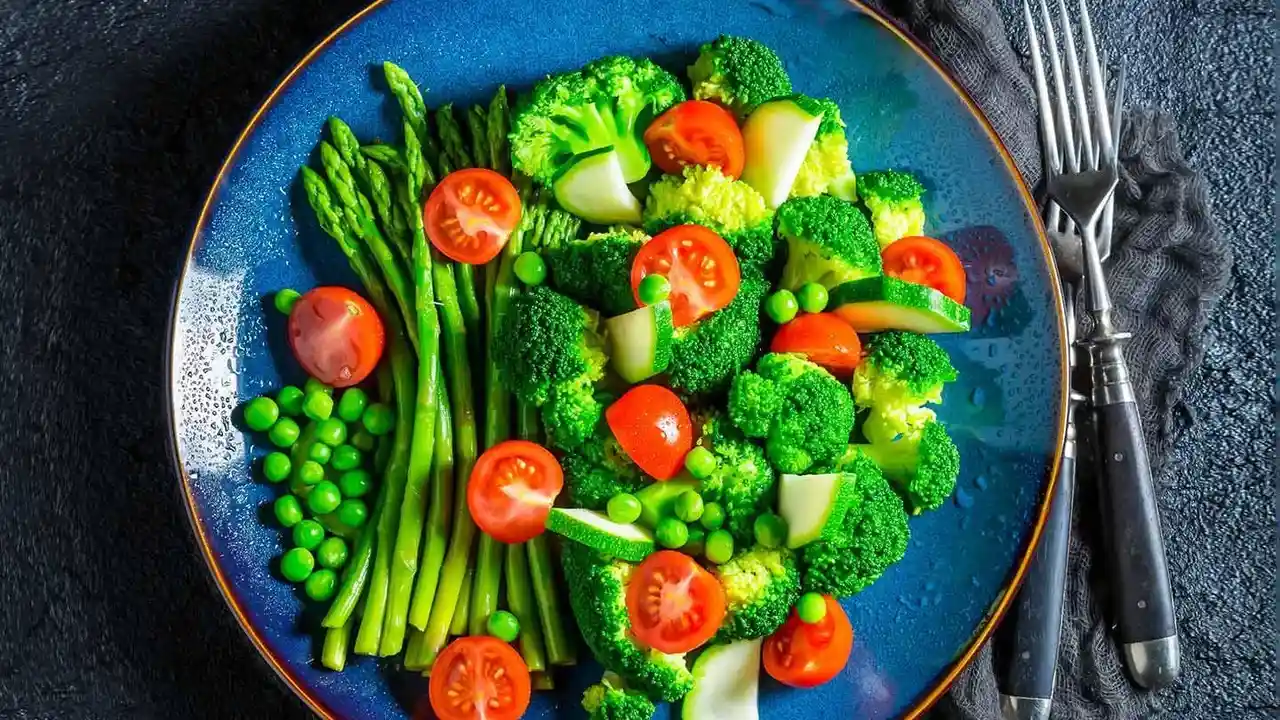
You don't need a specific recipe to create a successful one-pan meal. Instead, think in terms of components. A balanced meal can be assembled using a simple formula: a hearty protein, a starchy vegetable, a tender vegetable, and a flavourful sauce or seasoning blend. For protein, think canned chickpeas, lentils, cubed firm tofu, or tempeh. For starchy vegetables, choose from sweet potatoes, baby potatoes, or butternut squash. For tender vegetables, broccoli florets, asparagus, bell peppers, or cherry tomatoes are excellent choices. Tie it all together with a flavour profile: a Mediterranean mix of lemon, oregano, and garlic; a spicy blend of cumin, chilli powder, and smoked paprika; or an Asian-inspired sauce of soy, ginger, and sesame oil.
Easy Ideas to Get You Started
Putting it all together can be fun and creative. For a Mediterranean-inspired meal, toss chickpeas, chopped red onion, bell peppers, and zucchini with olive oil, dried oregano, and garlic powder. Roast until tender and serve with a dollop of yogurt or a sprinkle of feta. For something with a bit more spice, try a Tandoori-style bake with cauliflower, quinoa, and a mix of Indian spices. Another simple favourite is a sheet pan of roasted broccoli and lemon-herb tofu. Simply press the tofu to remove excess water, cube it, and toss it with broccoli, olive oil, dried herbs, and lemon slices before roasting. These combinations are not just meals; they are templates you can adapt based on what’s in your fridge, reducing food waste and making weeknight cooking more intuitive.