







The Blinding Danger of Sun Glare
The most obvious sunny day hazard is also one of the most dangerous: sun glare. It can temporarily blind a driver, making it impossible to see pedestrians, traffic signals, or the car ahead that's braking suddenly. The risk is highest during sunrise and
sunset when the sun is low on the horizon, shining directly into your eyes. Studies have shown that driving in bright sunlight can increase the risk of a serious crash by as much as 16%. To combat this, always have a pair of polarised sunglasses in your car. They are specifically designed to reduce glare far more effectively than standard lenses. Also, keep your windshield clean, both inside and out. Smudges and dust can catch the light and worsen glare significantly. And don't forget your sun visor—it's a simple but effective tool to block the direct sun.
The Complacency Trap
Good weather can lull us into a false sense of security. When the roads are dry and visibility is clear, it's easy to become complacent. This might mean driving a little faster, following the car ahead too closely, or paying less attention to your surroundings. Experienced drivers can be especially prone to this, falling into an "autopilot" mode on familiar routes. This is dangerous because road conditions, traffic, and the behaviour of other drivers are never truly predictable. To break out of this trap, make a conscious effort to stay engaged. Actively scan the road ahead, check your mirrors frequently, and maintain a safe following distance no matter how perfect the weather seems. Staying mentally present is your best defence against the unexpected.
More People, More Problems
Sunny days bring everyone outdoors. This means more pedestrians, cyclists, and children playing near the roads. In India, this also means a significant increase in two-wheeler traffic. You need to be extra vigilant, especially in residential areas and around parks. Expect the unexpected, like a child chasing a ball into the street or a cyclist swerving without warning. Good weather also means more holiday and weekend traffic, leading to congestion and frustration. Remember that speed limits are set for ideal conditions, and a crowded road is far from ideal. Slow down and increase your following distance to give yourself more time to react.
Heat, Drowsiness, and Your Tyres
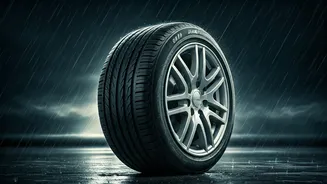
Summer heat doesn't just affect you; it affects your car and your ability to drive. High ambient temperatures, especially above 22 degrees Celsius, have been shown to reduce driver alertness and slow reaction times. A hot car cabin can cause fatigue and drowsiness, which is a major risk factor for accidents. Use your air conditioning not just for comfort, but for safety. Dehydration is another sunny-day risk, so always keep water in your car. The heat also impacts your vehicle itself. Tyre pressure increases on hot roads, raising the risk of a blowout, a particularly dangerous event at highway speeds. Before any long summer drive, it's crucial to check your tyre pressure and inspect your tyres for wear and tear.
The Threat of 'Summer Ice'
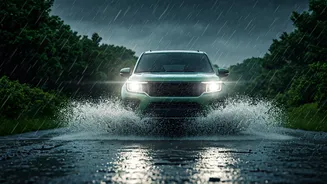
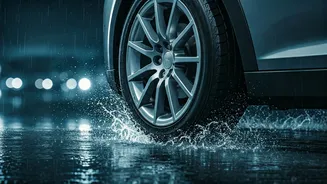
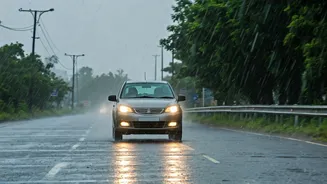
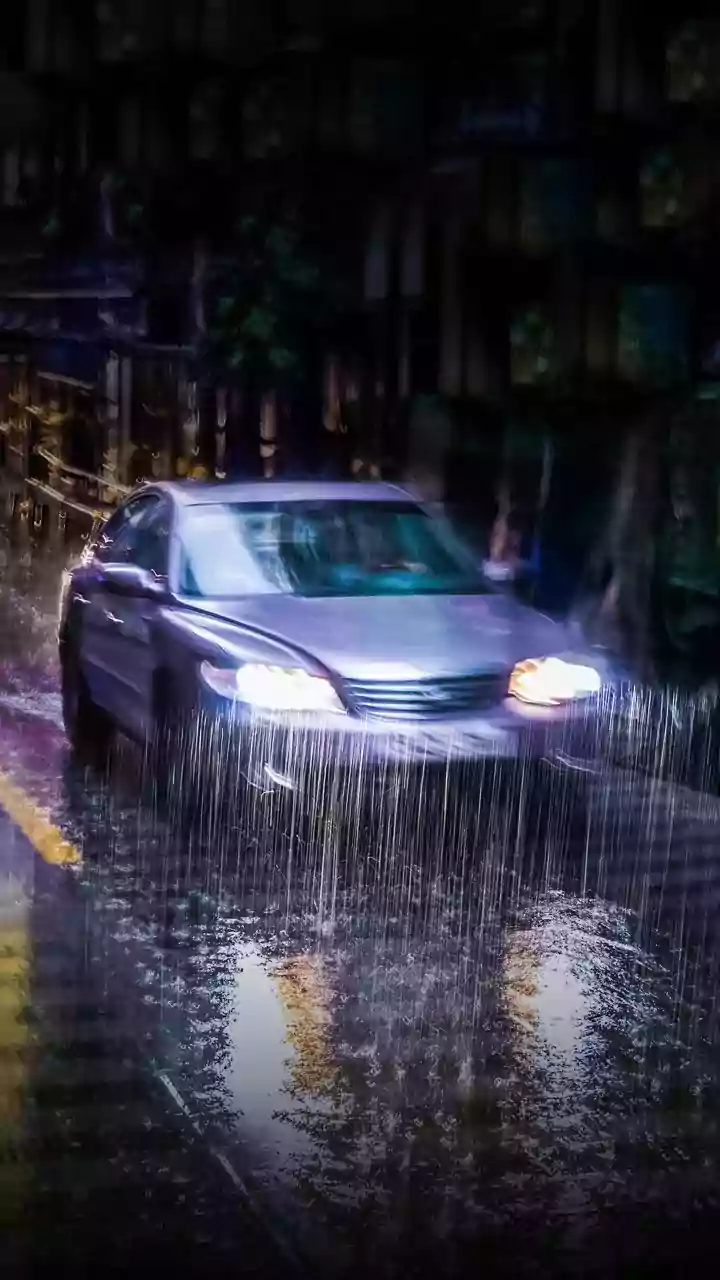
The term 'summer ice' sounds like a contradiction, but it describes a very real hazard. During long dry spells, oil, dust, and other residue build up on the road surface. When the first light rain falls after such a period, this mixture creates an unexpectedly slick, greasy film that can be as slippery as actual ice. This can lead to a sudden loss of traction and control, much like aquaplaning, but it happens on a road that may only look slightly damp. Be especially cautious during the first rains after a dry period. The roads are often at their most treacherous in the first few moments before the downpour washes the grime away. Reduce your speed significantly and avoid sudden braking or sharp turns.