


Choosing and Prepping Your Saree
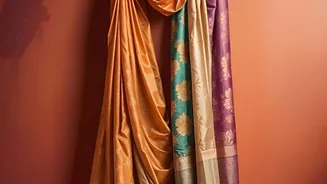
Not every old saree is suitable for upcycling. Begin by carefully inspecting the fabric. Hold it up to the light to check for thinning areas or small tears, which often occur along the folds of silk sarees that have been stored for a long time. Choose
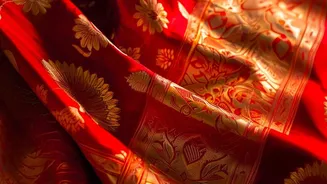
a saree with strong, intact fabric. While minor flaws can be worked around, a sturdy base is essential for decor items that will be handled. The most dramatic and ornate part of the saree is often the 'pallu'. This heavily embroidered or printed section is perfect for becoming the statement face of a cushion cover or the centrepiece of a table runner. Before you cut, it’s crucial to prepare the silk. Gently hand wash the saree in cold water with a mild detergent and hang it to dry away from direct sunlight. Iron on a low heat setting, preferably with a pressing cloth to protect the delicate fibres from scorching. For very delicate or sheer sarees, consider ironing on a fusible lining or interfacing to the back of the fabric to add strength and stability.
Gathering Your Tools
Having the right tools on hand will make this project smooth and enjoyable. You don't need a professional setup, just a few key items. You will need your chosen vintage saree, a sharp pair of fabric scissors, a measuring tape, and pins to hold the fabric in place. For sewing, a basic sewing machine is ideal, but you can also achieve beautiful results by hand-sewing with a fine, sharp needle and high-quality silk or cotton thread that matches your fabric. For cushion covers, you will need cushion pads in your desired size. For both projects, a complementary plain fabric for the backing is a good idea, especially if your saree is thin. Lastly, consider optional embellishments like tassels, beads, or decorative trim to add a final flourish.
Creating Elegant Cushion Covers
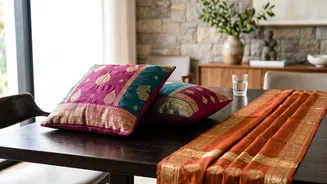
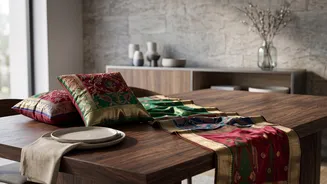
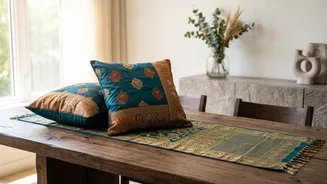
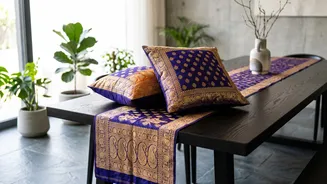
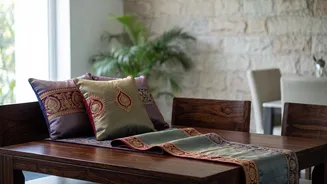
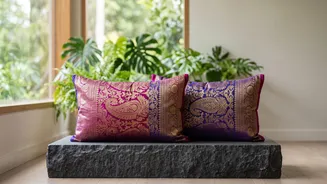
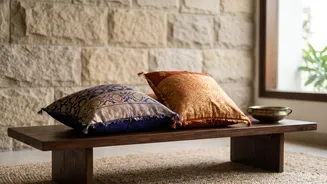
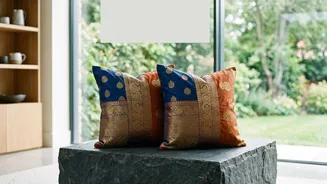
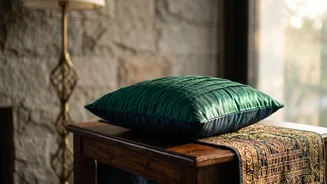
Cushion covers are one of the easiest ways to give a saree a new life. First, decide on the size. Standard square cushion sizes are 16x16 or 18x18 inches. Cut a piece from the most decorative part of your saree for the front of the cushion, adding one inch to both the length and width for seam allowance. For a 16x16 inch cushion, you would cut a 17x17 inch square. For the back, you can create a simple envelope closure. Cut two rectangular pieces of your backing fabric. For a 16-inch wide cushion, each back piece should be 17 inches wide. The length should be about two-thirds of the front piece, plus a one-inch hem. For a 17-inch long front, this would be roughly 12 inches per back piece. Hem one long edge of each back piece. Place the front fabric piece right-side up. Lay the two back pieces on top, right-side down, with their hemmed edges overlapping in the middle. Pin all four sides and sew around the entire perimeter. Trim the corners, turn the cover right-side out, and insert your cushion pad.
Crafting a Statement Table Runner
A table runner made from a silk saree can instantly elevate your dining space. First, measure your table's length and decide how long you want your runner to be—it can sit in the centre or overhang at the ends. A standard width is between 12 to 15 inches. The saree's border is perfect for this, as it provides a finished edge and beautiful detail. Cut a long strip of the saree to your desired dimensions, adding a one-inch seam allowance on all sides. If the saree is lightweight, you may want to cut an identical piece from a lining fabric. Place the saree strip and lining fabric right-sides together and sew along the edges, leaving a small opening of a few inches on one side. Turn the runner right-side out through the opening. Press it flat, ensuring the corners are sharp. Finally, neatly slip-stitch the opening closed by hand for an invisible finish. You can attach tassels to the shorter ends for a classic, regal look.
Adding Finishing Touches
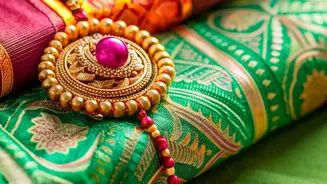
The beauty of a DIY project lies in the details. Once your cushion covers and runner are stitched, think about adding personal touches. The original saree border, if not used in the main construction, can be detached and stitched onto a plain cushion cover for a pop of colour and texture. Small beads or sequins from an embellished saree can be hand-sewn onto your new creations to add a little sparkle. Tassels, which you can either buy or make from embroidery thread, are a perfect addition to the corners of cushions or the ends of a runner. If you have leftover fabric scraps, don’t discard them. Even small pieces of silk can be turned into matching coasters, scrunchies, or decorative fabric gift tags.