




A Shift in Monsoon Cravings
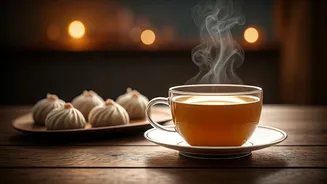
For generations, the Indian monsoon has been synonymous with the sizzle of oil and the crispy satisfaction of fried food. A plate of assorted pakoras, bhajiyas, or a hot samosa, enjoyed with a cup of chai while watching the downpour, is a core memory
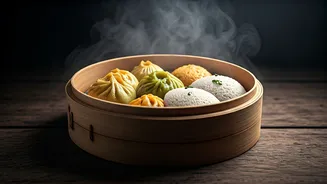
for many. It’s a sensory experience, a tradition passed down through families. Yet, a noticeable shift is underway. As wellness and mindful eating become more integrated into our daily lives, many are looking past the oil-laden usuals and embracing a lighter, gentler alternative: traditional steamed snacks. This isn't about deprivation; it's about rediscovering the subtle, sophisticated flavours of foods that have always been part of our culinary heritage.
The Science of Steaming
There's a good reason for this pivot, rooted in both modern nutrition and traditional wisdom. According to Ayurveda, the monsoon season, or 'Varsha Ritu', is a time when our digestive fire ('agni') is at its weakest. Heavy, oily, and fried foods can be difficult to process, leading to indigestion, bloating, and lethargy. Steaming, by contrast, is a cooking method that preserves nutrients and results in food that is light, hydrating, and easy on the gut. Steamed snacks deliver warmth and comfort without the heaviness, making them the perfect antidote to the damp, humid weather. They provide sustenance and satisfaction while working in harmony with our body's seasonal needs, a concept our grandmothers understood long before it became a wellness trend.
The Heroes of Steam
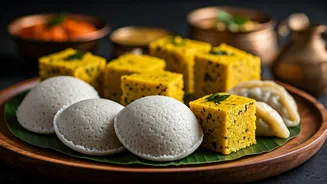
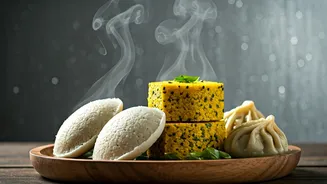
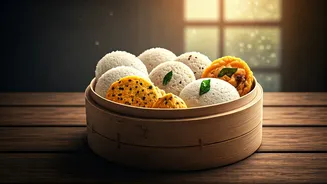
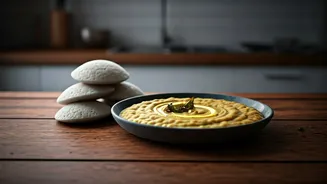
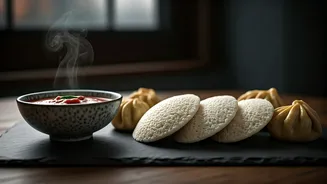
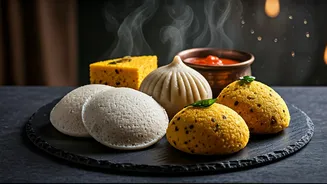
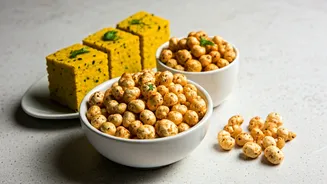
The variety of steamed snacks across India is staggering, and many are now enjoying a well-deserved moment in the spotlight. From Gujarat, the fluffy, fermented goodness of dhokla and the savoury rolls of patra (colocasia leaves layered with gram flour paste) offer a perfect balance of tangy and sweet. In Maharashtra, the delicate rice flour parcels of ukdiche modak, traditionally filled with coconut and jaggery for Ganesh Chaturthi, are being enjoyed as a year-round treat. Down south, the humble idli remains a champion of steamed perfection, but it’s being joined by regional specialities like the Kozhukattai in Kerala. In coastal regions like Goa and Mangalore, 'patoleo' — rice paste, coconut, and jaggery steamed in turmeric leaves — fills the air with an incredible aroma, embodying the very essence of monsoon.
Nostalgia on a Plate
Beyond the health benefits, this trend is fuelled by a powerful sense of nostalgia. Many of these snacks are not restaurant staples but dishes born in home kitchens. They evoke memories of mothers and grandmothers meticulously preparing batters, grinding pastes, and carefully placing each item in a steamer. In a fast-paced world, recreating or even just consuming these dishes is a way of connecting with our roots and slower, more deliberate times. They are comfort food in the truest sense, offering not just flavour but a feeling of warmth, care, and heritage. This emotional connection is a huge part of their renewed appeal, as people seek authenticity and meaning in their food choices.
A Modern Makeover
The revival isn't just happening in home kitchens. Cafes, cloud kitchens, and food influencers have been quick to catch on. They are presenting these classic snacks in new, Instagram-friendly ways—think tri-colour dhokla platters, mini idlis tossed in spicy podi, or deconstructed patra salads. Social media is flooded with images of these vibrant, healthy snacks, making them aspirational for a younger generation that might have previously dismissed them as 'old-fashioned'. This modern presentation, combined with the core values of health and tradition, has created the perfect storm for a steamed snack renaissance. They are now seen not just as healthy, but as chic and culturally rooted.