







Step 1: The Cold Chain Command
Your first priority is anything that needs to be refrigerated or frozen. Perishable items like meat, poultry, dairy, and eggs should be put away immediately to prevent them from entering the temperature 'danger zone' (between 40°F and 140°F), where bacteria
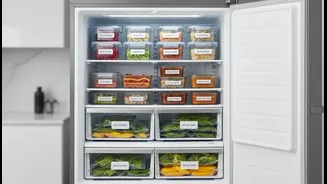
can multiply rapidly. A good rule is to never let these items sit at room temperature for more than two hours. When packing them into the fridge, store milk, yoghurt and eggs on the main shelves, not the door, which is the warmest part of the appliance. Raw meat and poultry should be placed in containers on the bottom shelf to prevent their juices from dripping onto and contaminating other foods.
Step 2: Know When to Wash Produce
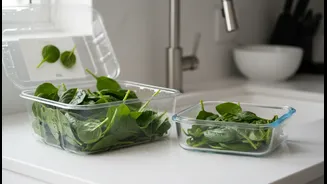
While it's tempting to wash all your fruits and vegetables at once, this can accelerate spoilage for some items. Berries and green beans, for example, are prone to mould if washed too early due to the extra moisture. It's best to rinse them just before eating. Hearty greens like kale can be washed, dried thoroughly, and stored in a container. Root vegetables and produce with peels, like carrots and cucumbers, can be washed just before use to remove any surface germs. Regardless of when you wash, always use cool running water and never soap or detergent.
Step 3: Smart Storage for Fruits and Veggies
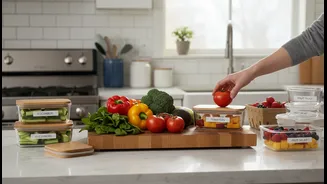
Not all produce belongs in the fridge. Tomatoes, for instance, retain better flavour on the counter away from direct sunlight. Potatoes, onions, and garlic should be kept in a cool, dark, and well-ventilated place like a pantry. However, keep potatoes and onions separate, as onions release ethylene gas which can cause potatoes to sprout. Fruits that ripen after picking, such as bananas, peaches, and pears, should be left at room temperature and then moved to the fridge to slow the ripening process once they are ready. Apples also release ethylene gas and should be stored separately, ideally in a crisper drawer, to prevent them from prematurely ripening other produce.
Step 4: Decant and Get Organised
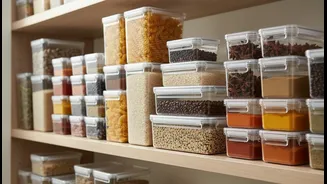
Bulky packaging can clutter your fridge and pantry, making it hard to see what you have. Moving items like cereals, grains, and snacks into clear, airtight containers not only saves space but also keeps them fresher for longer. This visibility is crucial for preventing you from buying duplicates of items you already own. Grouping similar items together makes finding ingredients much easier. Consider creating zones in your pantry: one for baking supplies, one for breakfast items, and another for grains and pastas. This simple organisation transforms your pantry from a chaotic closet into a functional inventory system.
Step 5: Embrace the FIFO Principle
FIFO stands for 'First In, First Out,' a simple but powerful system used in professional kitchens to ensure freshness and reduce waste. When unpacking new groceries, move older items to the front of your pantry or refrigerator shelves and place the new items behind them. This guarantees that you see and use the older products first, before they have a chance to expire. You can even write the purchase or expiration date on items with a marker to make it even easier to track. This habit alone can dramatically cut down on forgotten food that ends up being thrown away.