








The Rise of the Cold Plate
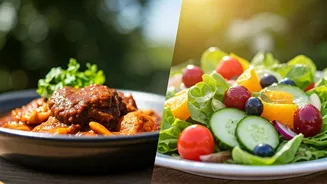
In our fast-paced lives, cold meals have become a staple. Think quick salads for lunch, chilled smoothies for breakfast, and leftover pizza straight from the fridge. While convenient, this trend towards cold and raw foods can be tough on our digestive
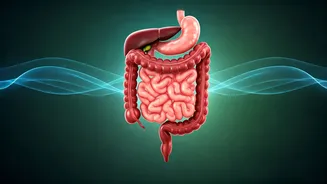
systems. For many, a diet heavy on cold items can lead to that familiar feeling of heaviness, gas, and bloating. Your stomach has to work overtime to first warm the food up to body temperature before it can even begin the primary job of digestion. This extra step can divert energy and blood flow, potentially slowing down the entire process.
Ancient Wisdom: Tending Your Digestive Fire
Long before modern science, ancient traditions had a deep understanding of this. In Ayurveda, the concept of *agni*, or the digestive fire, is central to health. This metaphorical fire is responsible for transforming food into energy and nutrients. According to Ayurvedic principles, consuming cold foods and drinks is like pouring water on this fire. It can dampen your *agni*, leading to incomplete digestion and the formation of *ama* (toxins). Warm, cooked meals, on the other hand, are seen as kindling for your digestive fire. They are considered pre-digested to an extent, requiring less effort from your body and allowing your *agni* to function optimally.
The Modern Science of Warmth
This ancient wisdom finds echoes in modern physiology. While your stomach is robust, temperature does matter. Consuming food that is already warm or at room temperature means your body expends less energy heating it up. This energy can instead be used for producing digestive enzymes and absorbing nutrients. Furthermore, warmth can help in the breakdown of certain foods, particularly fats. Think of how oil solidifies when cold but liquefies when warm; a similar principle applies within your digestive tract. Warm foods can also promote vasodilation—the widening of blood vessels—in your gut, which increases blood flow and can aid in a more efficient digestive process.
Cooked vs. Raw: It’s Not Just Temperature
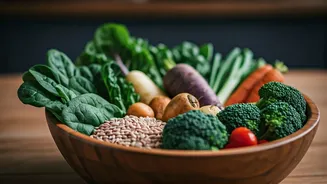
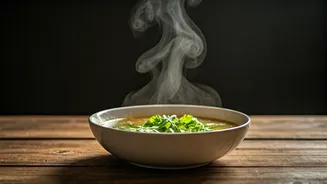
The benefits of a hot meal are often tied to the fact that it is also a cooked meal. The process of cooking—whether it's steaming, sautéing, or stewing—starts breaking down complex carbohydrates and tough plant fibres. For example, the cellulose in raw vegetable cell walls can be difficult for humans to digest. Cooking softens these fibres, making the vegetables easier on your gut and unlocking the nutrients within them. This is why a warm vegetable soup or a simple stir-fry can feel so much more comforting and less bloating than a large, raw salad for some individuals.
Simple Swaps for a Happier Gut
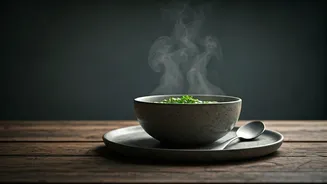
Embracing warmer meals doesn’t require a dramatic overhaul of your diet. It can be about making small, intuitive swaps. Instead of iced water with your meal, try sipping on warm water or herbal tea. In the morning, consider a warm bowl of porridge or *upma* instead of a cold smoothie. For lunch, a hearty dal, a warm *khichdi*, or even a nourishing soup can be a game-changer. Even letting your refrigerated leftovers sit out for 20-30 minutes to come to room temperature can make a noticeable difference. It’s about being kinder to your stomach and giving it food in a form that’s easier to process.