




The Daily Dilemma: Convenience vs. Consciousness
In our fast-paced lives, the convenience of a meal delivered to your desk can feel like a non-negotiable luxury. With just a few taps, a hot meal arrives, saving you the perceived hassle of planning and packing. But this convenience is an illusion. The
time spent scrolling through endless menus, the anxiety of tracking the delivery, and the inevitable post-lunch slump are all part of the package. More importantly, we are outsourcing one of our most fundamental needs—nourishment—to restaurants that often prioritise flavour enhancement over health. This daily habit puts you on a reactive footing, making decisions based on immediate hunger rather than long-term well-being.
The Unseen Health Toll of Takeaway Food
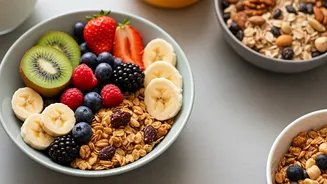
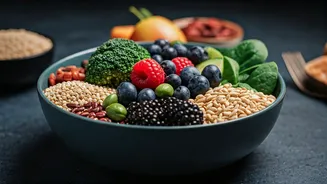
Restaurant meals, particularly from quick-service outlets, consistently contain higher amounts of sodium, unhealthy saturated fats, and overall calories compared to food cooked at home. To make dishes appealing and ensure they have a longer shelf life, many kitchens rely on processed ingredients, refined oils, and generous amounts of cream, butter, and sugar. When you cook at home, you have complete control. You choose the oil, measure the salt, and can opt for cooking methods like steaming or sautéing over deep-frying. Studies show that people who cook more often have healthier overall diets, consuming significantly more fruits and vegetables. A homemade lunch isn’t just about avoiding the bad stuff; it’s about actively including the good.
Your Wallet Will Thank You
The daily food order may not seem extravagant on its own, but the costs accumulate rapidly. A decent meal from a mid-level restaurant in an Indian city can easily cost between ₹150 and ₹300. If you do this five days a week, you could be spending ₹3,000 to ₹6,000 a month on lunch alone. In contrast, cooking at home is significantly more economical. By buying groceries in bulk and planning meals, the per-meal cost drops dramatically. Think about it: a kilogram of lentils or vegetables can form the base for several meals, offering far greater value than a single takeaway order. That money saved can be redirected to other financial goals, making your lunch break a financially savvy decision too.
Reclaim Your Time and Peace of Mind
The most common objection to packing a lunch is “I don’t have time.” But meal prepping is a classic case of spending a little time to save a lot. By dedicating an hour or two on a Sunday, you can plan and prepare components for the entire week’s lunches. This act of planning eliminates daily 'decision fatigue'—that mental drain from making countless small choices. Instead of wondering what to eat each day, the decision is already made. Your mornings become calmer, and your lunch break becomes a genuine pause, free from the stress of ordering and waiting. It’s a shift from being managed by your schedule to managing it.
Your Simple Lunch-Packing Playbook
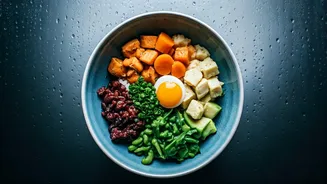
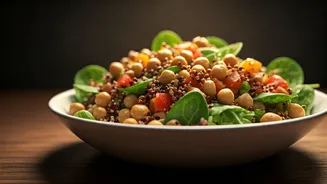
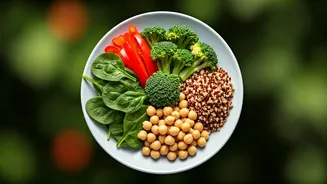
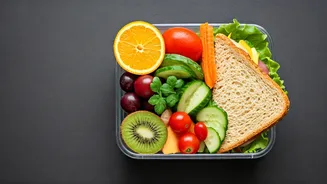
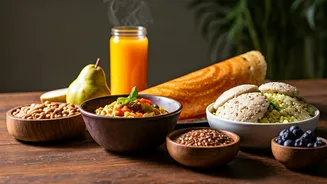
Getting started doesn't require a complete lifestyle overhaul. Begin with simple, familiar dishes. A great formula is a grain, a protein, and a vegetable. This could be jeera rice with chana masala and a side of cucumber salad, or rotis with a paneer bhurji. Leftovers from dinner are a perfect starting point. Cook a little extra dal or sabzi at night and pack it for the next day. Dishes like lemon rice, vegetable pulao, or curd rice are quick to assemble and pack well. Investing in a good-quality insulated tiffin box will keep your food fresh and appealing until it’s time to eat.
Making the Habit Stick
The key to consistency is to start small. Don’t aim for a homemade lunch every single day of the week. Begin with a goal of two or three times a week and build from there. Find a routine that works for you, whether it’s chopping vegetables the night before or batch-cooking grains on the weekend. Involve your family to make it a shared activity. Over time, you’ll notice the positive impact not just on your body and bank account, but on your overall sense of control and well-being. The feeling of opening a nourishing, self-prepared meal is a small but powerful act of self-care.