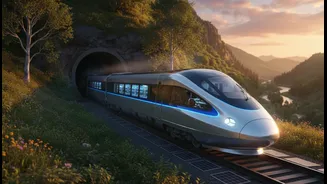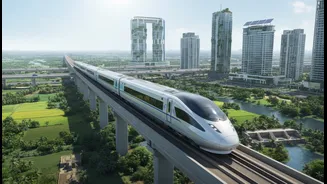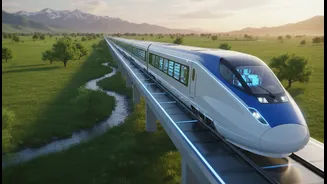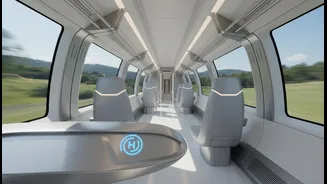







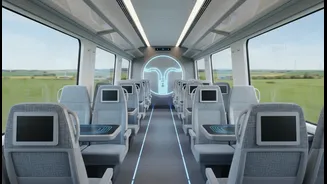


What Exactly Is a Hydrogen Train?
A hydrogen train, sometimes called hydrail, is an electric train that generates its own power onboard. Instead of drawing electricity from overhead lines or burning diesel, it uses hydrogen fuel cells. This technology allows it to run on non-electrified
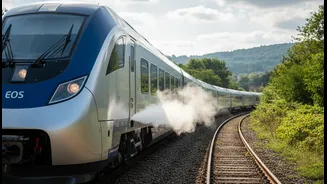
railway lines without producing harmful exhaust fumes. The only emission is water vapour, making it a significantly cleaner alternative to the thousands of diesel-powered locomotives currently running on India's vast network. This launch places India among a select group of countries, including Germany and Japan, that are pioneering this green technology for their rail networks.
How the Clean-Energy Magic Happens
The core of the train's power lies in its fuel cells. These devices create electricity through a simple but powerful electrochemical reaction: hydrogen stored in tanks on the train is combined with oxygen taken from the air. This process generates an electric current that powers the motors, which turn the wheels. Excess energy can be stored in onboard batteries to provide a power boost when needed, such as during acceleration. Unlike a combustion engine, nothing is burned. The only byproduct of this clean reaction is water, which is released as steam or condensed water.
India's First Hydrogen Route
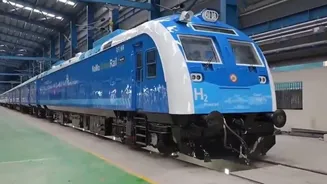
This milestone for Indian Railways is set to be inaugurated on July 17, 2026. The country's first hydrogen-powered train will operate on the Jind-Sonipat route in Haryana. After successful trials over the past few months, the 10-coach train is ready for commercial operations. It is expected to cover the nearly 90-kilometre journey in about an hour, a significant improvement over the two hours it currently takes a diesel train. A dedicated hydrogen storage and refuelling facility has been established in Jind to support the pilot project. This launch is part of the 'Hydrogen for Heritage' initiative, which aims to introduce these clean trains on heritage routes and other lines where electrification is difficult.
Why This Is a Game-Changer for India
The introduction of hydrogen trains aligns perfectly with India's ambitious goal to achieve net-zero carbon emissions by 2070 and make its railway network a net-zero emitter by 2030. With about 37% of its locomotives currently running on diesel, shifting to hydrogen offers a massive opportunity to cut pollution and improve air quality. It also enhances India's energy security by reducing its heavy reliance on imported crude oil. Furthermore, by investing in this technology as part of the 'Make in India' initiative, the country is developing domestic expertise and creating a new ecosystem for green energy jobs.
The Hurdles on the Track Ahead
Despite the immense potential, the journey to a hydrogen-powered rail network is not without its challenges. The initial cost of manufacturing hydrogen trains and setting up the necessary refuelling infrastructure is substantial. Another major hurdle is the production of 'green' hydrogen—hydrogen produced using renewable energy like solar or wind power—at a scale large enough to meet demand. The technology itself is still maturing and will need to prove its reliability and efficiency under India's diverse and demanding operating conditions. Safety is also a key concern, requiring robust systems to handle the flammable nature of hydrogen gas.