




The Old Map Is Fading
For years, the definition of a great Indian food city revolved around a few usual suspects: Delhi for its Mughlai grandeur and street chaat, Mumbai for its coastal flavours and cosmopolitan energy, and Kolkata for its sweets and colonial-era clubs. [30]
These cities have earned their reputations, but clinging to this old map means missing the most exciting story in Indian food today. While metro markets become saturated and expensive, Tier-2 cities are emerging as the country's new culinary growth engines. [7, 20] Factors like rising disposable incomes, greater digital exposure through social media, and lower operating costs are creating a fertile ground for a food revolution. [9, 22] This isn't just about more restaurants; it's about the revival of hyper-local flavours and a new sense of culinary identity.
Indore: The Undisputed Street Food Capital
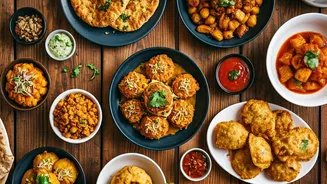
No city makes a stronger case for the Tier-2 culinary boom than Indore. It has cultivated a street food culture so profound that it consistently outshines the metros in any honest debate. [8] The magic lies in places like Sarafa Bazaar, a jewellery market by day that transforms into a bustling open-air food court at night, and Chhappan Dukan ('56 Shops'), a legendary food street. [8, 10] The city’s breakfast is defined by Indori Poha, a version of flattened rice completely distinct from its Maharashtrian origins, made tangy with a special 'jeeravan' masala. [8, 11] Other iconic dishes include Bhutte ka Kees (a savoury grated corn delicacy), Khopra Patties (potato cutlets with a coconut filling), and the winter-special Garadu (a deep-fried yam). [10, 14] Indore’s food scene is a masterclass in how generations of tradition can create an experience that is entirely modern and utterly unmissable.
Lucknow: The Enduring Royal Legacy
Lucknow’s culinary fame is not new, but it represents a depth and reverence for food that is often lost in the fast-paced metros. The city is the heartland of Awadhi cuisine, a refined tradition born in the kitchens of the Nawabs. [15] Here, food is slow-cooked, complex, and steeped in history. The undisputed star is the Galouti Kebab, famously created for a toothless Nawab who demanded a kebab that would melt in his mouth. [12, 16] Legendary outlets like Tunday Kababi have been serving this delicacy for over a century, using a secret blend of over 100 spices. [12, 17] Beyond kebabs, the city’s culinary soul is found in its fragrant biryanis, rich kormas, and the unique, paper-thin sheermal bread. [12] In Lucknow, dining isn’t just consumption; it’s an immersion into a regal past.
Jaipur: Where Tradition Meets Trend
The Pink City has long been a tourist hub, but its food scene is undergoing a vibrant transformation that perfectly mirrors its personality. Jaipur is where ancient Rajasthani flavours meet a modern, aesthetic-driven cafe culture. [19] You can still find the quintessential Dal-Baati-Churma and Laal Maas in heritage restaurants, but the real story is the blend of old and new. [28, 26] A new wave of design-forward cafes and restaurants are reinterpreting Rajasthani ingredients for a contemporary palate. [23, 25] Places like Tapri celebrate local tea culture in a chic, modern setting, while others seamlessly blend into the city's heritage havelis, offering everything from specialty coffee to global cuisine. [19, 23] This fusion makes Jaipur a fascinating example of how a city can honour its past while enthusiastically embracing the future.
The New Culinary Engines
The movement extends far beyond these examples. Cities like Nagpur, with its fiery Saoji cuisine, are gaining recognition. [33, 32] Kochi's coastal flavours are becoming a major draw for culinary travellers. [28, 31] In Coimbatore, IT growth and changing lifestyles are fuelling a demand for new dining experiences. [7] The common thread is a shift away from standardised, chain-restaurant fare towards more authentic, locally-rooted experiences. Travellers and food lovers are seeking 'hidden gems' and the cultural heartbeat that smaller cities offer in abundance. [31] As dining out becomes less of an occasional luxury and more of a regular lifestyle choice, these cities are perfectly poised to become India's next great food destinations. [9]