


A Place on the World Stage
The global culinary world is officially smitten with Kerala. In a major endorsement, Lonely Planet named Kerala's food culture among its top 25 global travel experiences for 2026, the only mention from India. This isn't just about five-star restaurants;
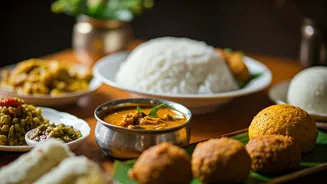
it's a celebration of the state's entire gastronomic landscape, from toddy shop delicacies to the grand vegetarian sadya. This recognition places Kerala's food not just as a part of the travel experience, but as a primary reason to visit, putting it in the same league as culinary giants like Italy and Mexico. Across Europe and the US, authentic Kerala restaurants are earning accolades, with establishments in cities like Leeds, Lisbon, and Berlin gaining popularity for serving everything from Meen Pollichathu to traditional thalis.
The Irresistible Allure of 'God's Own Country'
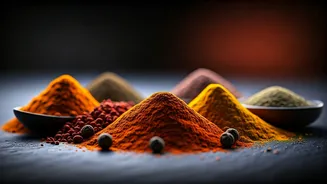
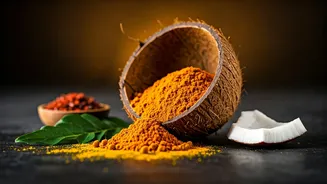
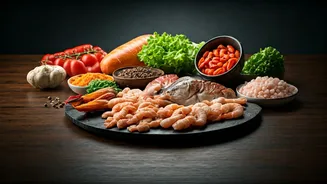
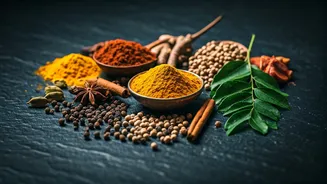
What’s driving this global craving? It's a combination of authenticity and a unique flavour profile that stands out. Kerala's cuisine is a story told through its ingredients. The abundant use of coconut in its many forms—milk, oil, and grated—provides a creamy, subtly sweet base that is refreshingly light compared to the cream- or ghee-heavy dishes of other regions. This, combined with a history as the 'Land of Spices', means every dish is layered with the fragrance of fresh black pepper, cardamom, cloves, and turmeric, all used with a masterful touch. The region’s extensive coastline also means an abundance of fresh seafood, which is central to the diet. This blend of fresh produce, healthy fats, and aromatic spices creates a cuisine that is both indulgent and intrinsically wholesome.
More Than Just Appam and Stew
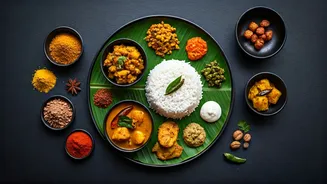
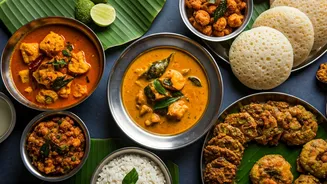
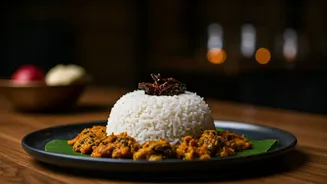
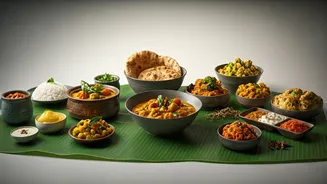
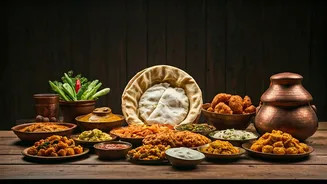
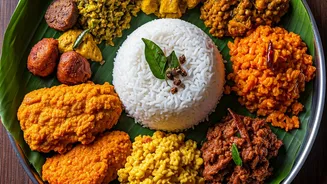
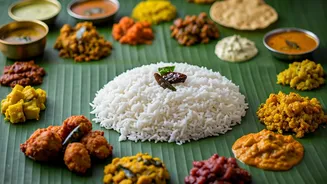
While Appam and Ishtu are a beloved entry point, the world is now discovering the incredible diversity within Kerala's culinary traditions. There's the Mappila cuisine of the Malabar region, with its Arab influences and famed Thalassery biryani, which uses a unique, short-grain rice. Then there's the Sadya, a magnificent vegetarian feast served on a banana leaf with up to 28 different dishes, showcasing a symphony of flavours from sour (pachadi) and bitter to sweet (payasam). Dishes like Karimeen Pollichathu (pearl spot fish marinated and steamed in banana leaves) and the humble but hearty Puttu (steamed rice cylinders) served with Kadala curry highlight the regional specialties and cooking techniques that have been passed down through generations.
The Secret Ingredient: Health and Heritage
Another key factor in its growing global appeal is its alignment with modern wellness trends. Influenced by Ayurvedic principles, the cuisine often incorporates a balance of the six essential tastes (sweet, sour, salty, pungent, bitter, and astringent) in a single meal. Spices like turmeric, ginger, and black pepper are not just for flavour; they are packed with anti-inflammatory and immune-boosting properties. The use of coconut oil, rich in beneficial fatty acids, and ingredients like curry leaves, known to aid digestion, make the food both delicious and nourishing. This connection between food and well-being, deeply rooted in the culture, resonates with a global audience increasingly focused on mindful eating.
Your Kitchen: A Culinary Embassy
So, what does this global recognition mean for the home cook? It means the recipes you inherited, the spices you expertly blend, and the sadya you painstakingly prepare are part of a celebrated global heritage. Chefs like Suresh Pillai, who took Kerala's flavours from a small restaurant in Kollam to Michelin-starred kitchens in London and back, have shown that these dishes belong on the world stage. Every time you cook a fiery fish curry or a comforting Avial, you are acting as a culinary ambassador. This is a moment of pride, reaffirming that the heart of Kerala’s cuisine isn’t just in fancy restaurants, but in the millions of home kitchens where its traditions are kept alive and vibrant every single day.