





Why Control Is King for Your Core
Your core is more than just the six-pack muscles (rectus abdominis). It’s a complex system of deep and superficial muscles, including your obliques, transverse abdominis, and spinal erectors, that work together to stabilize your spine. These muscles are
designed for endurance and stability, providing a solid foundation for every move you make, from lifting groceries to sprinting. When you perform core exercises slowly and with intention, you give these deep stabiliser muscles time to engage properly. Fast, jerky movements often rely on momentum, meaning larger, more superficial muscles take over, and the deep core muscles that are critical for spinal health don't get the workout they need.
The Risks of Rushing Your Reps
Speeding through your core routine is one of the most common training mistakes, and it comes with significant risks. When you prioritise speed, your form often breaks down. You might start arching your lower back during planks or leg raises, which shifts stress from your abs to your spine and can lead to pain and injury. Another common error is using your hip flexors to power the movement, which can happen in planks and sit-ups when the core fatigues. Rushing also prevents you from breathing correctly. Holding your breath or taking shallow chest breaths creates tension and prevents oxygen from reaching your working muscles, leading to premature fatigue.
Mastering the Mind-Muscle Connection
Effective core training is as much a mental exercise as it is a physical one. Slowing down allows you to establish a strong mind-muscle connection, where you consciously focus on the muscles you intend to work. Instead of just going through the motions, concentrate on the sensation of your abdominal muscles contracting. A common cue is to imagine pulling your belly button towards your spine, which helps engage the deep transverse abdominis. This deliberate engagement ensures that you are truly strengthening your core, not just compensating with other muscle groups. Over time, this practice improves your motor control, making your movements more efficient and powerful.
Putting Control into Practice
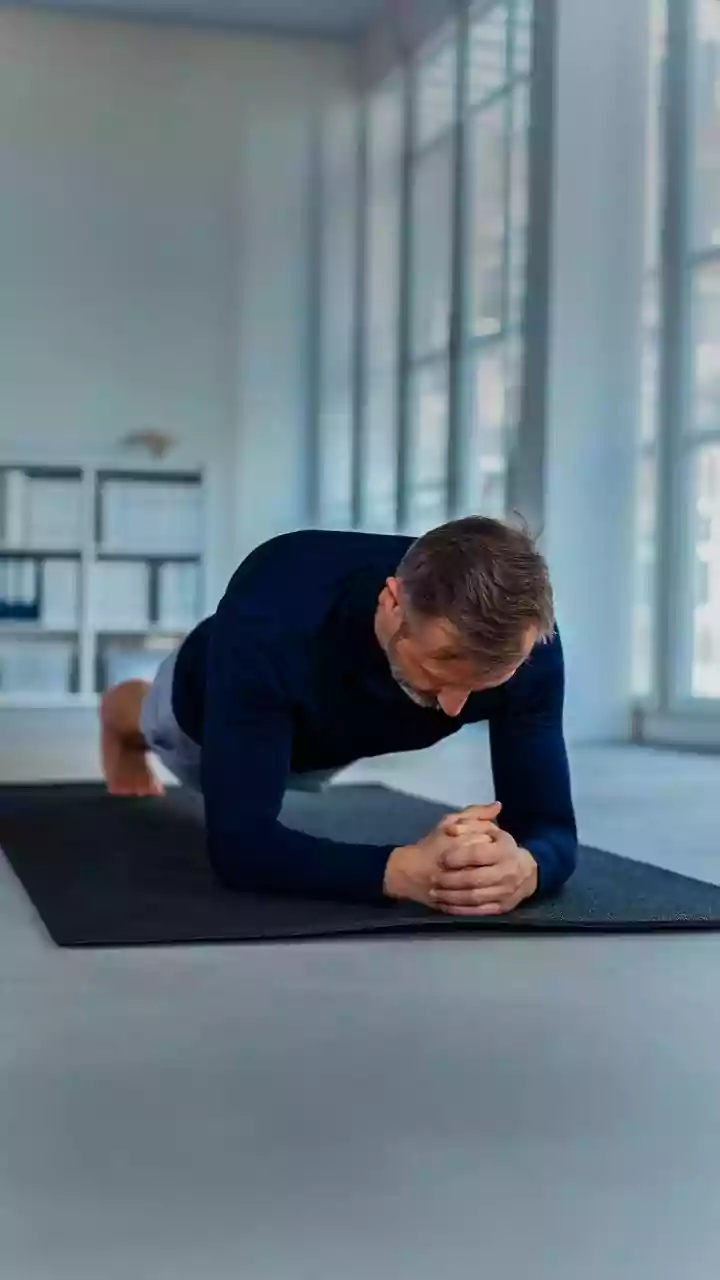
You don't need fancy exercises to build a strong core; you just need to perform the basics correctly. For any core exercise, focus on quality over quantity. For a plank, for example, actively press your forearms into the floor and squeeze your glutes to keep your body in a straight line from head to heels. For dead bugs, the goal is to keep your lower back flat against the floor as you slowly extend your opposite arm and leg. If you feel your back starting to arch, you’ve gone too far. Reduce the range of motion to a point where you can maintain complete control. The focus should always be on maintaining a stable and neutral spine throughout the entire exercise.
Is There a Place for Speed?
This isn't to say that speed is always bad. For athletes whose sports involve explosive, rotational movements—like throwing or sprinting—training the core for speed and power is crucial. However, this type of training should only be introduced after a solid foundation of stability and control has been established. Think of it like building a house: you need to pour a solid, stable foundation before you can put up the walls. Without mastering control first, adding speed is like building on an unstable base—it only increases the risk of the entire structure collapsing. For most people focused on general fitness, functional strength, and injury prevention, the vast majority of core work should remain slow and controlled.