




The Power of Green Bananas
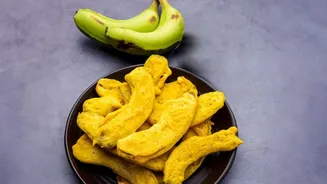
Unripe, green bananas are defined by their high content of resistant starch. As the name suggests, this type of starch 'resists' digestion in the small intestine, functioning more like a dietary fibre. This has several key benefits. First, it acts as a prebiotic,
feeding the beneficial bacteria in your gut and contributing to a healthy microbiome. This process can support overall digestive health. Because resistant starch isn't broken down into sugar quickly, green bananas have a lower glycemic index, meaning they cause a slower, more gradual rise in blood sugar levels. This makes them a potentially better choice for individuals managing their blood sugar. The high fibre and resistant starch content also promotes a feeling of fullness, which can help with appetite control and weight management. However, this starchiness gives them a firmer, waxier texture and a less sweet, sometimes slightly bitter taste, which some people may not enjoy raw. They can also be harder to peel.
The Perks of Yellow Bananas
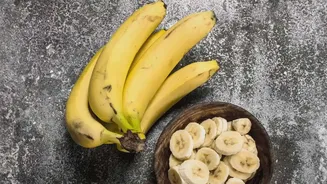
As a banana ripens, its nutritional profile undergoes a significant transformation. The most noticeable change is the conversion of starches into simple sugars like sucrose, glucose, and fructose. This enzymatic process is what gives a yellow banana its characteristic soft texture and sweet flavour. This shift makes the fruit easier to digest for many people, and the readily available sugars provide a quick source of energy, making them an excellent pre-workout or post-workout snack. While the resistant starch content drops significantly, yellow bananas develop higher levels of antioxidants as they ripen. These compounds, including flavonoids and amines, help protect the body's cells from damage caused by free radicals. Though both green and yellow bananas are good sources of key nutrients like potassium, vitamin B6, and vitamin C, the ripe version delivers its energy more rapidly.
Nutritional Showdown: Key Differences
When placed side-by-side, the choice between green and yellow bananas depends entirely on your health priorities. For blood sugar control, green bananas are superior due to their resistant starch, which results in a lower glycemic index of around 30, compared to a ripe banana's 51 or higher. For gut health, green bananas again have an edge, providing prebiotics that nourish your microbiome. However, this can cause gas or bloating in people not used to high-fibre foods. For individuals with sensitivities to FODMAPs (a group of fermentable carbs), green bananas are considered low-FODMAP, while ripe bananas become high in FODMAPs and may trigger symptoms in those with IBS. On the other hand, if you need a fast-acting source of energy, the simple sugars in a yellow banana are more effective. They are also generally considered more palatable and easier to digest. While vitamin and mineral content remains largely similar, antioxidant levels are higher in fully ripe bananas.
Which Banana Is Right For You?
Ultimately, neither banana is universally 'better' than the other; they simply serve different purposes. You might choose a green banana if: - You are managing diabetes or trying to maintain stable blood sugar levels. - You want to increase your intake of prebiotics to support gut health. - You are focused on weight management and want a snack that keeps you feeling fuller for longer. You might prefer a yellow banana if: - You need a quick and easily digestible energy boost before or after exercise. - You prefer a sweeter taste and a softer texture. - You have a sensitive digestive system that struggles with high amounts of resistant starch or fibre. Many cuisines, particularly in the Caribbean and Latin America, treat green bananas like a vegetable, boiling or frying them in savoury dishes. This can be a great way to incorporate their benefits if you don't enjoy them raw.